
Balls in Canada: The Complete, Down-to-Earth Guide to the Spheres We Play, Cook, Craft, and Rely On
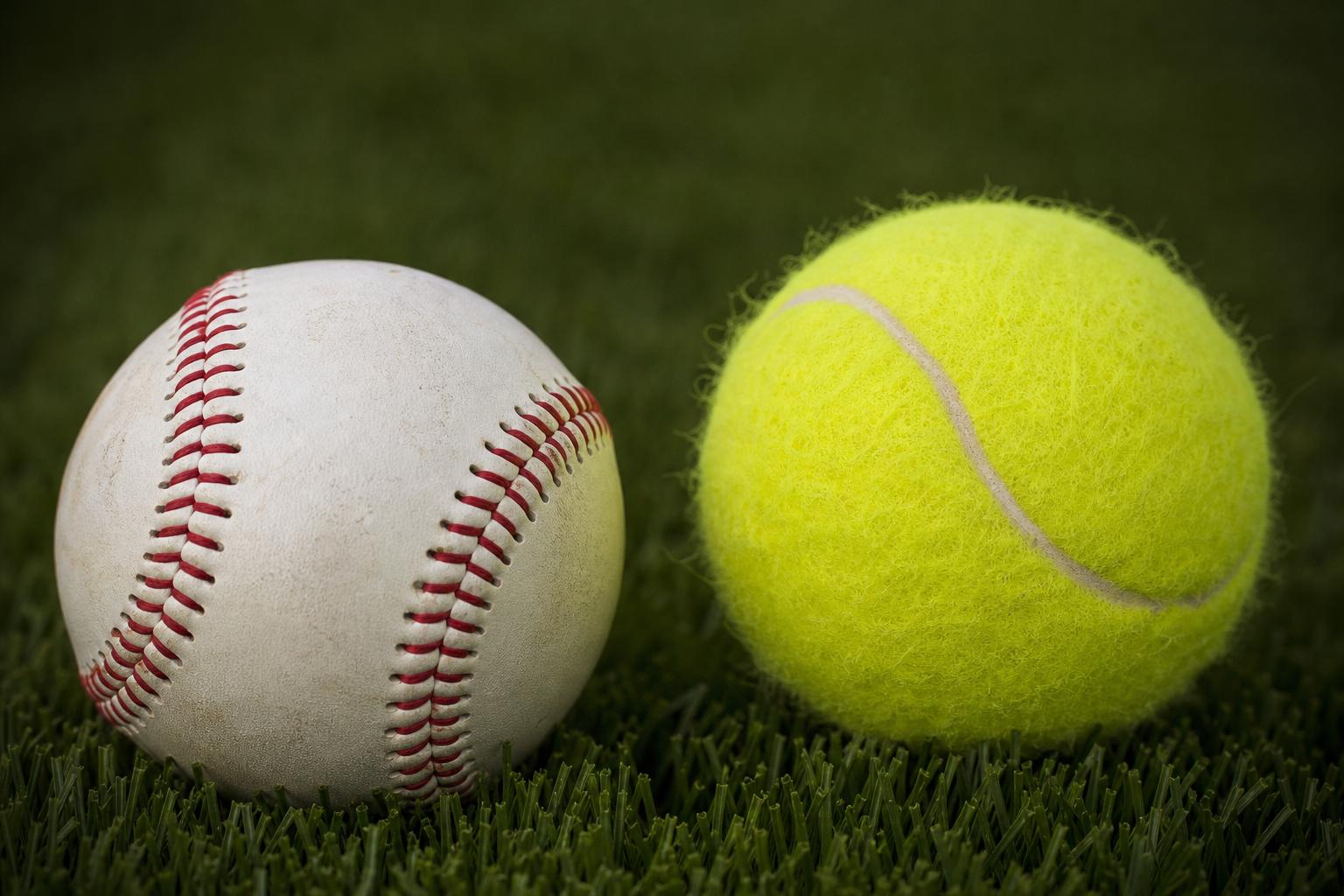
Think about how often balls shape a day in Canada. A kid boots a soccer ball against a garage door before school. A pickleball pops on a community centre court in Saskatoon. A bright orange street hockey ball skims over asphalt in Halifax. Someone squeezes a stress ball on a GO Train. Meatballs simmer on a stove in Surrey. A plumber turns a brass ball valve to stop a leak in a Toronto condo. These spheres move more of our lives than we notice—until you need the right one, right now, and wish you had a clear, plain-language guide.
This is that guide. We’ll cover how balls behave in Canadian weather, how to choose and care for sports balls, where to find good value locally, and what our regulations say about toy balls, safety, and noise. We’ll dip into crafts and home life, from wool dryer balls to stability balls. We’ll talk food—meatballs, energy balls, and cultural classics—and we’ll touch on accessibility, sustainability, even charity balls and Canadian tax rules. It’s a big, practical look at something simple and familiar, written for how Canadians actually live and play.
How Balls Behave in Canadian Weather: Physics You Can Feel
Canadian weather is not neutral. It makes balls behave differently, sometimes hilariously so. If you’ve tried dribbling a basketball in Winnipeg in February, you already know. Cold air drops the pressure inside inflatable balls. They bounce less, feel heavier, and go out of round faster if you try to over-inflate to compensate. In summer heat, the opposite happens—pressure rises, seams and bladders are stressed, and bounces get springy and unpredictable. It isn’t your imagination. It’s the ideal gas law showing up on your driveway.
Practical takeaways? Store inflatable balls indoors whenever possible. Let your soccer balls, basketballs, and volleyballs warm up to room temperature before a game. Inflate to the range printed on the ball itself, not a random number from the internet. If you play outside in winter, a slightly softer rubber basketball often performs better than a hard, glossy indoor composite. And if you’re teeing off in October, a softer-compression golf ball can help you keep a bit of distance when the air is dense and the fairway is frosty.
Humidity matters too. Major League Baseball now mandates humidors in every ballpark, and that includes Toronto. While you’re not running a humidor at home, you’ll notice that a waterlogged soccer ball on a dewy field plays dead and gets heavy. Dry your gear. Wipe balls clean after a slushy game. A quick towel can save a match and the lifespan of your kit.
Sports Balls in Canada: What to Buy, When to Use It, and Why It Matters
Across the country, community sports lean on the same concept: the right ball makes a big difference. The details—material, size, pressure—sound fiddly until you feel how they change touch, control, and safety. Here’s what matters for the most common sports balls Canadians use.
Soccer Balls: Sizes, Surfaces, and Cold-Weather Tricks
Canada’s soccer scene runs year-round now, with turf bubbles in winter and crowded pitches in summer. Ball size and build should match the player and surface. Youth programs typically follow size 3 for early years, size 4 through late elementary, and size 5 for teens and adults. A well-made size 4 for a 10-year-old isn’t a luxury—it reduces strain on knees and ankles, encourages proper technique, and makes practice more fun.
Material matters. Traditional match balls use multi-layer synthetic panels over a latex or butyl bladder. A PU (polyurethane) cover usually offers a softer, more controlled touch than PVC, particularly on colder days. For weekly practices and schoolyards, a tough training ball with a textured surface holds up better on abrasive turf. In winter, futsal balls—designed for indoor courts—use a low-bounce design that rewards quick passing. If your local community centre in Calgary only offers gym time, a futsal ball can turn a chaotic bounce-fest into a crisp session.
Canadian tip: read the inflation range stamped near the valve and bring a small pump to the field. A ball that’s even slightly over or under the mark can make dribbling and shooting feel off. In -10°C, warm the ball indoors and carry it in your jacket. You’ll notice the difference in your first touch.
Basketballs: Indoor vs. Outdoor and Community Gym Realities
Basketballs split into two broad families: indoor composite/leather and outdoor rubber/composite. For a hardwood court in a school gym, a composite indoor ball grips better, absorbs sweat, and feels lighter on the fingertips. On rough outdoor courts—from Montreal alleys to Vancouver schoolyards—a durable rubber or outdoor composite ball won’t chew through its pebbling after a few games.
Size still matters. Kids use smaller and lighter balls, and women’s competitive play typically uses a slightly smaller ball than men’s. If you’re coaching in Edmonton or running a rec league in Halifax, line up the balls by size and label the bins. Simple, but it saves constant mid-practice swaps. Pressure is the silent killer of good sessions—keep a gauge in your bag and inflate to the printed range. Over-inflated balls ping off the rim. Under-inflated balls die on the dribble.
Baseballs and Softballs: Feel, Safety, and Budget
Baseballs vary more than people think. Youth balls often have a softer core and a synthetic cover that’s gentle on hands. Senior leagues prefer higher-quality leather covers and consistent seams. Softball adds its own split: 11-inch balls for younger or some women’s divisions, 12-inch for most adult play. Compression ratings and core types differ by league and level—ask your league rep which specs they require before ordering a case. In a country where ball diamonds from Red Deer to Saint John can flood with spring melt and then bake by July, durability counts. A mid-range leather baseball often outlasts the cheapest options, even if the upfront price hurts a bit more.
Safety is simple and non-negotiable: catchers and infielders in youth programs benefit from softer “safety” balls early in the season. They build confidence, reduce hand injuries, and keep kids coming back after a bad hop. For batting practice in small community cages, consider practice balls designed for reduced flight when you don’t want to pepper a nearby street.
Lacrosse Balls: The Canadian Classic with Its Own Quirks
Box lacrosse is a Canadian staple. The ball is a solid sphere of vulcanized rubber, and it has to meet a specific performance standard used across the sport. If you’ve ever heard about “greasers,” you’ve heard a universal complaint: as balls wear, surface oils and smoothness make them slick, hard to catch, and tough to shoot with precision. Rotating fresh balls into practice solves a lot of headaches, especially for youth teams where confidence and stick feel evolve quickly.
In Canada, field and box leagues often specify that balls meet current safety and performance standards. Look for markings that indicate compliance from recognized bodies. It’s not a marketing flourish. It ensures the ball performs predictably and reduces risk in a physical game.
Pickleball Balls: Indoor, Outdoor, and Neighbourly Noise
Pickleball went from a few chalked lines in school gyms to booked courts in every province almost overnight. The ball looks simple—a perforated plastic sphere—but the right choice matters. Outdoor balls have smaller holes and a harder plastic to handle wind and rough surfaces. Indoor balls have larger holes and a slightly softer feel that bites into gym floors. If you only buy one type, pick based on where you play most often—don’t bring an indoor ball to an outdoor court and then wonder why it wobbles in a breeze.
Noise is a real discussion in Canadian cities. That pop-pop can grate on neighbours living close to new courts. Some municipalities have adjusted hours, installed sound baffles, or encouraged “quiet balls” made of foam or softer plastics. If your club gets pushback, test different balls, rotate time slots, and post clear etiquette—no slamming near backyards at 7 a.m. Public spaces work best when we keep an eye on community comfort, not just court times.
Footballs and Rugby Balls: Grids, Ovals, and Good Grip
Gridiron and rugby both use prolate spheroids, not perfect spheres, but they’re still “balls” that respond to Canadian conditions. For high school practices on cold, damp fields, a composite cover with textured grip outperforms a slick ball. Youth and flag leagues often use smaller sizes that fit smaller hands, build proper throwing mechanics, and reduce wrist strain. Store them warm, wipe away moisture, and re-inflate regularly—cold laces and under-pressured panels ruin spirals and scrums.
Volleyballs and Beach Volleyball: Soft Touch vs. Salt Air
A proper indoor volleyball has a soft, panelled surface that cushions forearms and improves ball control. Cheap balls sting and teach bad habits. Beach volleyballs are built to handle wind and moisture and usually feel slightly larger in the hand. If you’re playing at Kits Beach or Wasaga Beach, rinse the ball in fresh water after salty or gritty sessions, then dry it fully. Salt and grit work like sandpaper on seams.
Street Hockey Balls: Colour Codes and Temperature Bands
Canadians invented workarounds for icy seasons long ago. Street hockey balls come in temperature-rated variants. Warm-weather balls are softer so they don’t turn into rocks. Cold-weather versions are firmer to keep them from squishing on contact. Many brands colour-code them—often orange for standard, yellow for cold, and pink for extra-cold—but don’t rely on colour alone; read the package. If your ball starts to wobble or stick, swap to the right temperature band and keep the game flowing.
Tennis Balls: Pressure, Altitude, and Recycling in Canada
Tennis balls come pressurized in cans or as pressureless practice balls. Pressurized balls feel lively but lose pop as the internal gas seeps out, especially if left rattling around a trunk through freeze-thaw cycles. Pressureless balls last longer for coaching baskets and ball machines but lack that fresh-can sensation. Most Canadian courts sit at low to moderate altitude, so “high altitude” variants aren’t common here. What you should look for is durability on your typical surface—hard courts chew felt faster than clay.
When they fuzz out, don’t toss them in the garbage if you can help it. Programs operate in Canada to collect and repurpose used tennis balls into floor tiles, dog toys, and equestrian footing. Ask your club if they participate in a national or regional tennis ball recycling initiative. If they don’t, you can nudge them to start. Tennis churns through mountains of felt; it’s one of the easier wins for greener play.
Golf Balls: Cold Air, Coloured Covers, and Practical Choices
Golf in Canada is a short season in much of the country, so you want each round to count. Cold air thickens and steals yardage, and firm fall fairways can send sliced balls farther sideways. A lower-compression ball can help when temperatures dip. Brightly coloured covers—orange, lime, even matte finishes—show up better against patchy spring grass or fall leaves. And here’s a public-service reminder: most courses frown on hunting every last ball in the cattails. Keep it moving, play a provisional when needed, and pick a ball that you won’t cry about losing in a Muskoka bunker.
Buying Balls in Canada: Where to Find Value and How to Avoid Regrets
Shopping in Canada means balancing selection, shipping times, provincial tax differences, and the reality that some deals are too good to be true. The good news: for most sports balls and household balls, you can find solid options locally without paying luxury prices.
Reliable Retailers and What They’re Good For
Big-box stores like Canadian Tire and Walmart Canada carry a wide range of recreational balls at competitive prices, excellent for casual play, school yard kits, and backups. Sport Chek and specialty pro shops offer higher-end match balls, demo days, and informed staff. Decathlon has expanded across several provinces with budget-friendly, house-brand options that punch above their price for training balls. Mountain Equipment Company (MEC) isn’t a ball specialist, but you’ll find quality options for volleyball, soccer, and outdoor rec, plus durable pumps and repair kits.
For niche needs—official lacrosse balls that meet current standards, futsal balls, or specific rugby models—local specialty stores or league partners are worth the trip. They know which specs your provincial or city league requires, sparing you the headache of returning a wrong ball after the first ref check.
Online Marketplaces: Deals, Counterfeits, and Certifications
Canada’s major e-commerce platforms host legitimate deals and, unfortunately, lookalikes. Counterfeits turn up most often in premium soccer and basketball lines. If the price looks impossibly low for a ball that’s supposedly top-tier, assume it isn’t the real deal. Buy from the brand’s official store, a known Canadian retailer, or a seller with a clear return policy and Canadian address. Watch for proper branding, clear product photos, and reviews that sound like humans, not bots.
For certain balls, look for compliance marks. Lacrosse balls should indicate they meet current performance standards. For kids’ toy balls, ensure age grading is clear and the product lists compliance with Canadian toy regulations. If a listing is vague about safety or age appropriateness, move on.
Budget vs. Premium: When Paying Up Pays Off
In most sports, a mid-range ball is the sweet spot for recreational and youth play—better materials than the cheapest tier, without the razor-thin performance margins of premium match balls. Pay up when touch, consistency, and league compliance matter: a main game ball for a high school championship in Laval, or a dedicated match ball for your adult league in Victoria. Save on practice balls for drills, beach sessions, or schoolyard pounding.
Shipping and taxes tip the math. With GST/HST and, in some provinces, PST, that “$39.99” can land closer to fifty by the time you check out. If you’re kitting out a team, ask about team pricing or community-club discounts. Many Canadian retailers will happily shave costs for bulk orders with a letter from your association.
Care, Inflation, and Repairs: Make Your Balls Last
Proper care is the cheapest performance upgrade. It also keeps you from buying the same item twice in one season. Most of it is easy, and the dividends show up right away in how balls feel and fly.
Inflation Essentials: The Right PSI, the Right Tools
The right pressure is printed on the ball. That’s the rule. Everything else—the myths about “a thumb’s press should feel firm” or “pump till it pings”—just invites inconsistency. Keep a small hand pump and a gauge in your bag. If you’ve broken needle tips before, dip the needle in water or a touch of gentle soap to protect the valve when inserting. A quick check before practice can rescue an entire session from dead dribbles and wobbling shots.
For bikes, skates, and ball carts, Canadian winters are rough on seals and hoses. Store pumps and gauges indoors so seals don’t crack in the cold. If a ball loses air quickly after inflation, the valve may be dirty. A drop of glycerin or a dedicated valve oil (sparingly) can restore a sticky valve.
Storage and Cleaning: Easy Habits with Big Payoffs
Do not leave balls in a frozen trunk or a sun-baked balcony if you can avoid it. Extreme temperatures deform covers, stress seams, and kill internal bladders. Wipe dirt and salt residue off after use, especially in cities that salt sidewalks and schoolyards all winter. For rubber and composite covers, a damp cloth and mild soap are enough. Avoid harsh solvents—they ruin grip textures and fade panels.
Keep a mesh bag for wet balls so they can dry between sessions. Trapped moisture becomes mildew fast in closed bins, stinking up garages from Charlottetown to Kelowna. Label balls by size with painter’s tape if your household mixes kids’ and adults’ gear. Five minutes of organization kills the last-minute scramble before practice.
Patching and Knowing When to Retire a Ball
Small punctures in inflatable balls can sometimes be repaired with patch kits designed for the purpose, but manage expectations. A patched training ball is fine for drills; it’s not coming back as a match ball. Solid rubber balls (like lacrosse) can’t be patched once they chunk or crack—rotate them out when they get slick or misshapen. For tennis and golf balls, life ends when performance drops below enjoyable. Donate lightly used balls to shelters for dog programs or local schools for crafting. Check if your club or city runs a specific recycling stream before tossing them in the blue bin; many aren’t accepted curbside.
Safety and Canadian Regulations: Play Smart, Buy Smart
Canada regulates products intended for children and sets expectations for safe play in public spaces. You don’t need to memorize acts and sections, but a few basics help you shop and supervise with confidence.
Youth Ball Sizes and Age Guidelines
Most national governing bodies and provincial associations in Canada align with international standards for ball sizes by age. Soccer uses smaller, lighter balls for younger players, stepping up in size through the teens. Basketball does the same. Ask your coach or association if you’re unsure—using the correct size reduces overuse injuries and frustration. If you run a community program, post a simple chart in your equipment room so volunteers grab the right bins for each group.
Protective Gear and Common-Sense Precautions
Some sports demand more than just the right ball. Baseball, softball, and lacrosse call for protective cups in many leagues, and eye protection is a smart idea for racquet sports where small balls travel fast. Helmets for cycling and hockey are certified in Canada—look for CSA/ASTM/CE marks as applicable—but for most balls, you’re choosing quality, not a specific national certification. If a ball breaks quickly, splits, or seems poorly made, report it to the retailer and consider filing a complaint with Health Canada if it poses a hazard.
Toy Balls, Choking Hazards, and Age Labels
Under Canada’s consumer product safety laws, toys and children’s products must meet strict standards. Small balls and toys with small parts are restricted for young children because of choking risks. That’s why you’ll see clear age grading on packaging and warnings for balls intended for older kids only. For daycares and early-years programs, buy from reputable Canadian retailers that state compliance with Canadian toy regulations, and avoid off-brand listings with vague age claims. If a ball can fit entirely in a small-parts test cylinder—or looks like it might—it’s not for toddlers. When in doubt, go bigger, not smaller.
Public Spaces, Noise, and Courtesy
Municipalities set bylaws around park use, noise, and projectiles. While there isn’t a blanket Canadian law against snowballs, many towns regulate throwing objects in parks or at vehicles. Use common sense: no snowballs near roads, windows, or playgrounds crowded with little kids. For pickleball, follow posted hours and consider using lower-noise balls early in the morning or near residences. Courts and fields are shared spaces. If a neighbour raises a concern, it’s often solvable with small adjustments rather than drama.
Beyond Sports: Balls at Home and Work
Balls show up everywhere off the field: on your desk, under your sink, in your laundry room, and inside your skates. The same practical rules apply—choose quality, use them as intended, and think about long-term value.
Stress Balls and Ergonomics
A good stress ball can help with fidgeting, hand strengthening, or focused breaks between video calls. In Canadian workplaces, they’re common desk items and even company swag. Pick one that fits your hand, with resistance that matches your purpose: soft for anxiety relief, firmer for grip training. Clean it. They collect oils and dirt fast. If you work in a clinical or shared environment, choose latex-free options and wipe them with approved disinfectants according to your facility’s protocols.
Stability Balls (Exercise Balls): Sizing and Safety
Stability balls are everywhere: in physio clinics, home gyms, and, occasionally, as desk chairs. They’re useful for core work and mobility but they’re not magic. Choose the right diameter for your height—most adults fit a 55 cm or 65 cm ball, while taller users may need 75 cm. Look for burst-resistant ratings and a texture that won’t slip on hardwood or rubber floors. If you’re using one as a chair, be cautious. They reduce back support and can roll unexpectedly. In many Canadian offices, health and safety policies discourage them as desk seating. Use them for short, intentional breaks rather than all-day sitting.
Ball Bearings and Skates, Bikes, and Blades
Skating and biking through Canadian seasons is rough on bearings. Road salt, slush, and grit creep past seals and chew up races. For winter commuters in Ottawa or Calgary, sealed stainless bearings and regular maintenance are worth the cost. Rinse gear after salty rides, dry thoroughly, and re-lube. For inline skates and skateboard wheels, choose bearings from reputable shops; performance ratings stamped on cheap sets are often marketing fluff. Smooth, quiet spin under load matters more than a flashy number.
Ball Valves in Plumbing: The Quiet Home Hero
A ball valve is the quarter-turn shutoff you grab when a sink line bursts at midnight. They’re simple, durable, and common in Canadian homes. If you’re replacing or upgrading, choose valves that carry recognized certifications for plumbing fittings in Canada and match your pipe type (copper, PEX, or CPVC). In condos, check building rules before DIY work. Always shut off the main water line, relieve pressure, and have a bucket ready. If the valve is sticky or corroded, don’t force it to the point of snapping—call a licensed plumber. Water damage costs far more than the service call.
Wool Dryer Balls and Greener Laundry
Wool dryer balls—often made from Canadian wool and sold by small businesses coast to coast—reduce drying time by separating laundry layers and improving airflow. They’re reusable, quiet, and a decent swap for disposable dryer sheets if you’re sensitive to fragrances. A few drops of essential oil on a ball can scent a load, but be cautious with oils in high heat; use sparingly and let them absorb fully before tossing them in. If you do mixed loads, keep a separate set for baby clothes to avoid cross-scenting with strong oils.
Cultural and Culinary Balls in Canada
“Balls” in Canada aren’t only about sport. They show up in kitchens, on calendars for gala season, and, on a snowy afternoon, in fast-flying backyard battles.
Meatballs, Fish Balls, and Food Safety You Can Trust
Canada’s food scene is a mix of everything: Italian meatballs over polenta, Swedish köttbullar at winter potlucks, Lebanese kafta, Vietnamese bò viên sliced into pho, and salmon fish balls at coastal gatherings. The flavours change by family and neighbourhood, but food safety is consistent nationwide. Ground meats need to be cooked through—use a digital thermometer and aim for safe internal temperatures. For beef or pork meatballs, that means at least 71°C. For poultry meatballs, go to 74°C. Don’t guess by colour. Different spices and mixes can make meat look done before it’s safe.
If you pack lunch kits in a chilly January in Regina, keep hot meatballs hot. Use an insulated container and preheat it with boiling water for a few minutes. If you’re batch-cooking for the week, cool leftovers quickly and store them in shallow containers in the fridge. Reheat to steaming hot before serving. The rules are simple, and they prevent a lot of winter stomach bugs that people blame on “a flu” when it was last night’s leftovers.
Energy Balls: Affordable, No-Bake Fuel
No-bake energy balls are a Canadian home favourite because they’re cheap, quick, and travel well. Oats, nut or seed butter, a splash of maple syrup, and add-ins like flax, chia, cocoa, or dried cranberries make a week’s worth of snacks without heating the oven. If allergies are a concern for school lunches in Ontario or Manitoba, sunflower butter or soy butter stands in for peanut butter, and you can skip nuts entirely. Portion them with a small scoop for consistency, and store in the fridge. Toss one in your jacket before a winter trail walk; they don’t freeze into rocks the way some granola bars do.
Charity Balls and Gala Season: How Taxes Work in Canada
From the Montreal ballrooms to Calgary winter galas, charity balls are a fixture of the fundraising calendar. Tickets often come with dinner, entertainment, and a tax receipt. Here’s the Canadian twist: you only get a charitable receipt for the portion of the ticket price that exceeds the fair market value of what you receive (the “advantage”). If a ticket is $300 and the dinner, venue, and entertainment are valued at $200, the charitable receipt is typically $100. It’s called split receipting, and it’s standard practice under Canadian tax rules. If you’re hosting, be transparent about the advantage value on invitations. If you’re attending, keep the official receipt for your records at tax time.
Snowballs: Etiquette, Safety, and Perfect Packing
Snowball fights are part of Canadian childhood and, honestly, a decent adult stress release. There are a few unwritten rules that keep them fun. No ice balls—that’s a quick route to a broken window or a trip to urgent care. Don’t throw at cars or cyclists. Agree on boundaries, and avoid head shots, especially with little kids in the mix. In parks, give space to dog walkers and folks who didn’t sign up to be collateral damage.
As for making a perfect snowball? Look for packable snow: not powder (too dry), not slush (too wet), but that sticky, just-right layer you get around -2°C to -5°C. Scoop, press lightly, rotate, and don’t over-pack. You’re building a soft sphere, not a rock. Gloves with a bit of grip help. And if you’re in the prairies during a deep freeze, save the fight for another day; nothing packs at -25°C, and nobody enjoys numb fingers anyway.
Inclusive and Adaptive Balls: Everyone Plays
Accessible sport isn’t a footnote in Canada; it’s a must. Inclusive balls and adapted games open doors for people with different abilities to play, compete, and belong. When you choose equipment with accessibility in mind, you widen the circle in your school, club, or community centre.
Goalball and Beeper Balls
Goalball, designed for athletes who are blind or partially sighted, uses a ball with internal bells so players track it by sound. Canada fields competitive teams and runs development programs through provincial associations and clubs. If you run a community gym, investing in a proper goalball and blackout eye shades can transform an ordinary P.E. rotation into an inclusive highlight. For baseball or soccer drills, beeper balls and audible attachments let mixed-ability groups play together with simple rule tweaks and spotters.
High-Visibility and Sensory Balls
Bold colours, tactile textures, and larger sizes help early learners, older adults, and people with low vision. Inflatable sensory balls with small nubs or soft spikes add grip and encourage participation in general movement classes. For autism-friendly programming, choose balls with predictable bounce and lower noise. The difference between a chaotic, echoing gym and a supportive, inviting play space can be a handful of carefully chosen balls and a quieter whistle.
Environmental Impact and Smarter Choices
All those spheres add up. The materials in sports balls—synthetic rubbers, plastics, glues—don’t vanish when you retire them. Tennis ball felt sheds microfibres. Golf balls lost in lakes don’t break down for ages. The solution isn’t guilt; it’s attention and better habits.
Materials and Manufacturing
Soccer and volleyball covers are often PU or PVC. PU typically has a nicer touch and can be more durable without the plastic smell of PVC. Natural rubber appears in lacrosse balls and some playground balls. When you can, choose products from brands that state their supply-chain standards and avoid hazardous additives in children’s products. Fairtrade-certified soccer balls exist; buying them supports better labour practices in the factories that stitch the majority of the world’s balls.
Recycling and Reuse in Canada
Ask your club about tennis ball recycling programs operating in Canada. Many facilities now collect used balls for repurposing. For schools and camps, cut slits in spent tennis balls and slip them on chair feet to reduce classroom noise—a classic that still works. Donate decent used soccer and basketballs to community programs. For golf, some driving ranges collect lake balls and recondition them; if you fish one out on a course and it’s playable, use it rather than cracking open a new sleeve.
How to Choose the Right Ball: A Practical, Step-by-Step Guide
Feeling overwhelmed by all the options? Use this quick decision flow the next time you’re standing in a Canadian store aisle or staring at a dozen online tabs.
1) Name the job
Is this a match ball, a practice beater, a backyard spare, a school kit, or a gala centrepiece? Precision costs more. Durability for playgrounds matters more than perfect touch. A clear use case narrows choices fast.
2) Lock in size and standard
Check your league or age group requirements. For kids, size down to match their hands and feet. For lacrosse and futsal, standards exist for a reason—follow them.
3) Match the surface and weather
Indoor hardwood, turf, asphalt, beach, or snow? In Canada, winter beats up gear. For outdoor play below zero, favour textured rubber and cold-rated options. In salty cities, clean gear after use.
4) Decide on material and feel
PU vs. PVC vs. rubber vs. leather—touch, durability, and cost trade off. If you can, hold the ball in-store. The right feel is obvious in your hands.
5) Set a realistic budget (with tax)
Remember GST/HST and possible PST. A $30 tag might be closer to $35–$40 at checkout. For teams, ask for bulk or club pricing.
6) Check compliance and authenticity
Look for markings that indicate the ball meets your sport’s performance standards. If shopping online, stick to reputable Canadian retailers to avoid counterfeits.
7) Plan for pump, storage, and care
Add a pump with a gauge, a few spare needles, and a mesh bag. Store balls indoors. Five minutes of care extends life and preserves performance.
Real-World Canadian Scenarios (and Straight Answers)
It helps to see choices in context. Here are quick scenarios that come up all the time across the country.
“Our Calgary school wants a set of balls for winter gym. What should we buy?”
Get durable, indoor-appropriate gear: a set of indoor basketballs, a few futsal balls for soccer-style games, soft foam balls for primary grades, and a couple of low-bounce playground balls. Add hand pumps, a gauge, and labelled bins by size. Skip premium match balls; kids need consistency and durability, not finesse.
“My adult rec team in Halifax keeps replacing soccer balls mid-season. Why?”
Likely a mix of over-inflation, turf abrasion, and cheap covers. Buy a mid-range PU training ball, inflate to spec, and store indoors. Rotate two or three balls across practices to reduce single-ball wear. Wipe them after wet sessions so seams don’t rot.
“Is there a quieter pickleball ball for our condo court?”
Yes. Foam or “quiet” balls reduce the pop, though they change play slightly. Combine them with posted quiet hours and padded paddles to improve relations with neighbours. It’s not a perfect fix, but it helps.
“Can I leave my golf balls and tennis balls in the trunk in January?”
You can, but you’ll hate how they feel. Cold kills bounce and liveliness. Bring a sleeve and a can indoors, and load them the morning you play. Your first drive and first rally will thank you.
Common Ball Problems and Quick Fixes
Most issues have simple solutions if you know where to look. Here’s a cheat sheet you can use right away.
Dead Bounce in Cold Weather
Warm the ball indoors, inflate to the printed range, and switch to a winter-friendly cover (rubber/composite). For street hockey, swap to a cold-weather ball. For tennis, crack a fresh can and keep it warm until you play.
Slippery Lacrosse Balls
They’ve “greased.” Rotate in newer balls for games. Use older ones for wall ball and shooting practice. Store away from heat and direct sun to slow the process.
Basketballs That Sting Little Hands
They’re too hard or too big. Lower the pressure and drop to the correct youth size. A softer indoor composite also helps in winter gyms.
Soccer Balls Warping or Splitting
Likely over-inflation or UV damage. Deflate slightly between sessions, store indoors, and don’t bake them on a dashboard. Clean seams after muddy matches.
Constantly Losing Needles
Buy a small screw-cap container and tape it to your pump handle. Wet the needle before inserting to protect the valve. Keep three spares, minimum.
Budgeting for a Season: What Canadians Actually Spend
Costs vary by province and city, and prices jump around with supply chains and exchange rates. Here’s a realistic way to plan without pinching every penny or lighting money on fire.
- Recreational soccer or basketball: one mid-range ball, a pump with gauge, and a mesh bag can cover a season. Expect to replace high-wear practice balls every year if you play often outdoors.
- Club or school programs: plan for one quality match ball per team, plus several training balls. Budget for replacement needles, occasional patch kits, and storage bins.
- Pickleball groups: indoor and outdoor balls wear differently. Expect to replace outdoor balls faster, especially on rough courts. Buying by the dozen saves money.
- Racquet sports: tennis balls go fast. Clubs often buy in bulk and resell. Pair with a recycling program to lower environmental impact.
- Lacrosse: set aside dollars for a steady trickle of fresh balls. It’s simply part of the sport.
Local Logistics: Booking Fields, Gyms, and Court Time
In Canadian cities, demand exceeds supply for peak hours. Parks and recreation departments open booking windows seasonally. If you run a team or a neighbourhood group, set calendar reminders for permit applications and renewal dates. A set of proper balls is wasted if you’re squeezed out of space.
Keep spare balls for practices in shared spaces—loose balls under bleachers are the fastest way to lose time and annoy the next booking. Use labelled ball carts, designate a ball retriever at the end of each session, and do a quick count before you leave. Small habits keep community permits in good standing.
Talk to Your Community: Simple Ways to Make Play Better
Clubs and schools thrive on simple, respectful communication. Post ball size charts where volunteers pack gear. Offer loaner balls at community courts with a gentle “return after use” sign. If you try a new ball that’s a hit, share the model and where you bought it at a fair Canadian price. These micro-tips ripple out into better play and fewer headaches across a season.
FAQ
What size soccer ball should my child use in Canada?
Most programs use size 3 for the youngest players, size 4 through late elementary, and size 5 for teens and adults. Ask your club to confirm. Using the right size improves technique and reduces strain.
Is there a best ball for Canadian winter?
There’s no universal best. For cold outdoor play, pick textured rubber or winter-rated options and warm the ball indoors before use. For street hockey, use a cold-weather ball. Indoors, use surfaces-appropriate balls like futsal for gym floors.
How much air should I put in my ball?
Inflate to the range printed on the ball, using a gauge. Don’t guess by feel. Temperature affects pressure, so re-check when moving between indoor and outdoor play.
Are cheap balls from big-box stores okay?
For recreational play and schoolyards, many are fine. For league matches or when touch matters, a mid-range or premium ball is worth it. Durability and consistency improve with better materials.
Can I recycle tennis balls in Canada?
Yes, many clubs participate in tennis ball recycling programs that operate in Canada. Ask your facility or look for collection bins. If your club doesn’t have one, suggest starting a program.
What should I look for in a lacrosse ball?
Choose balls that indicate they meet current performance standards used in the sport. Rotate fresh balls into practices to avoid slick “greasers,” and store them away from heat.
Are pickleball balls really different indoors vs. outdoors?
Yes. Outdoor balls are harder with smaller holes and hold their line in the wind. Indoor balls have larger holes and a softer feel for gym floors. Use the type that matches your primary court.
Are snowball fights illegal in Canada?
There’s no national law banning snowballs. Some municipalities regulate throwing objects in parks or at vehicles. Use common sense: avoid roads, windows, and unwilling participants.
What’s the safe temperature for meatballs?
For beef or pork meatballs, cook to at least 71°C. For poultry meatballs, go to 74°C. Use a digital thermometer rather than guessing by colour.
Are stability balls good office chairs?
They’re fine for short breaks but not ideal all day. They reduce back support and can roll. Many Canadian workplaces discourage them for safety. Use them for targeted exercises instead.
How do I avoid counterfeit sports balls online?
Buy from official brand stores, known Canadian retailers, or sellers with clear return policies. Be wary of prices that are far below market. Check for proper markings and realistic reviews.
What’s the difference between pressurized and pressureless tennis balls?
Pressurized balls feel lively but lose bounce as gas escapes. Pressureless balls last longer for practice baskets but don’t deliver that fresh-can pop. Choose based on how you play.
Can I use a volleyball as a beach ball?
You can, but indoor balls don’t love sand and salt. Beach volleyballs are built for the elements. If you use an indoor ball at the beach, rinse and dry it thoroughly afterward.
How can my club cut costs on balls?
Buy in bulk at team pricing, choose durable mid-range training balls, label and store them properly, and set a simple rotation plan. Pair with recycling programs where available.
Do Canadian taxes affect ball purchases?
Yes. You’ll pay GST/HST and, in some provinces, PST. A $30 tag may land several dollars higher at checkout. For team orders, ask retailers about club discounts.