
The Canadian Guide to the Bandana: History, Smart Uses, Styling Tips, and Buying Advice That Actually Helps
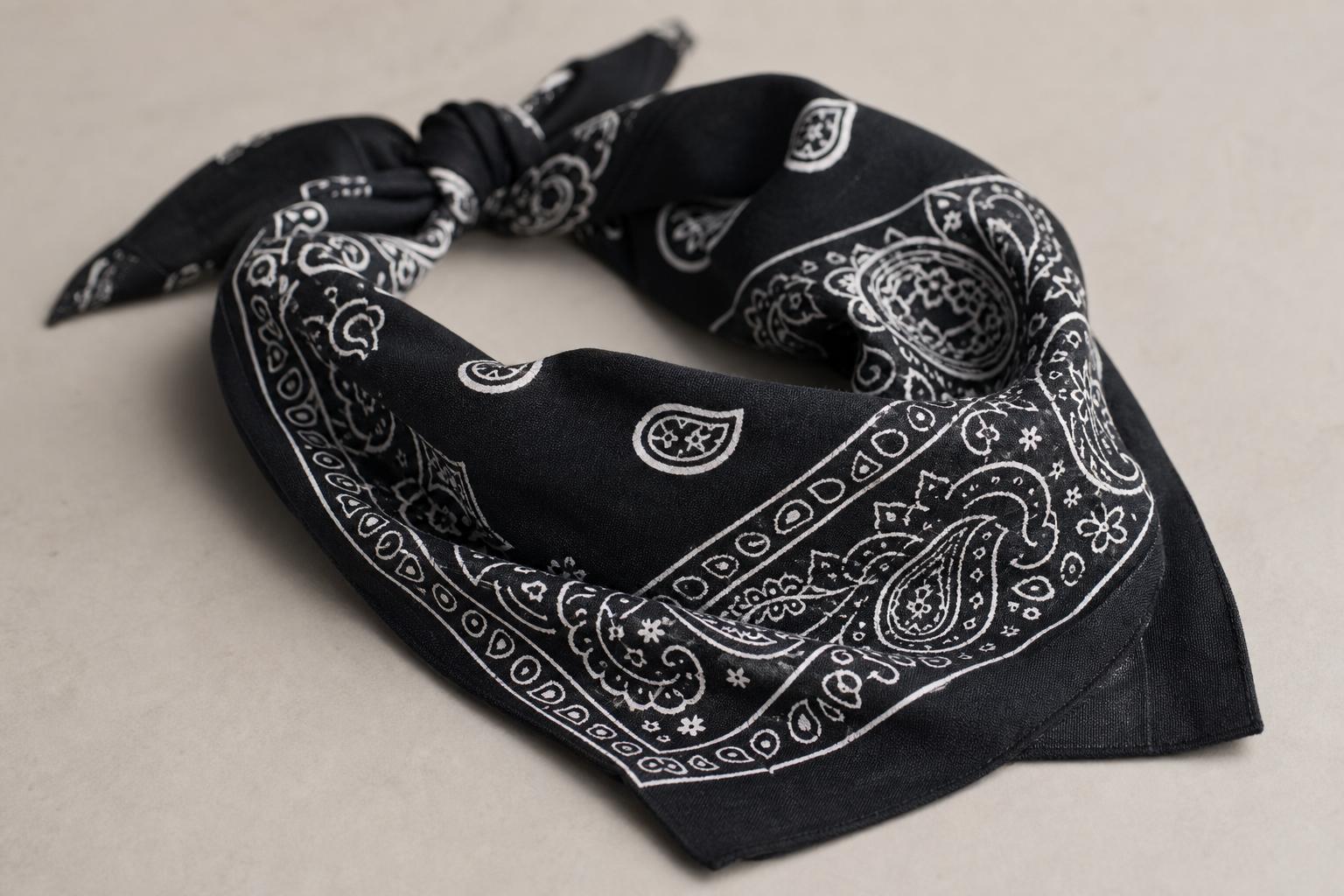
A square of cloth can do an astonishing amount of work. Tie it, twist it, tuck it under a helmet, roll it around a ponytail, or turn it into a quick dust mask on a gravel road. The humble bandana earns its keep from downtown Toronto to the backroads of Alberta. If you’ve ever wondered which fabric actually breathes in July, whether a red paisley will bleed all over your laundry, or if you can legally wear one over your face at a protest, you’ll find clear, practical answers here.
This guide gets specific for Canadian life. Think humid Montreal summers, windchill in Winnipeg, a hike in Banff, cedar pollen in Victoria, and a dog who inevitably chooses a muddy trail in Halifax. You’ll learn what to buy (and what not to), how to wear a bandana with intent, why sizes matter more than you think, and how to keep yours looking good for years. Along the way: real-world tips, a dose of history, notes on laws and workplace rules in Canada, and a handful of folds and knots that never let you down.
What Exactly Is a Bandana?
A bandana is a square (usually) piece of cloth big enough to fold, knot, and reconfigure as needed. Classic sizes run around 55 x 55 cm (roughly 22 inches square), though smaller and larger versions exist. The most recognizable print is the paisley—those teardrop shapes with a botanical twist—but solids, checks, stripes, and modern graphics are everywhere now. You’ll also see terms like headscarf, kerchief, or neckerchief used interchangeably with bandana, particularly in Canada’s bilingual marketplaces and older outdoor shops.
Don’t confuse a bandana with a neck gaiter (a tube of fabric, Buff-style) or a traditional triangular scarf. A bandana starts as a square, which is the secret to its versatility. Fold it into a triangle for Western flair, roll it into a headband for runs along the Seawall, or wrap it as a light neckerchief that makes a plain tee feel intentional. It’s fashion when you want it to be; it’s gear when you need it to be.
A Short History: From South Asian Dye Pots to Canadian Streets
The word bandana traces to Hindi and Sanskrit roots—bandhnu/bandhana—referring to the act of tying, as in tie-dye. As textile trade moved across continents, those intricate resist-dyed patterns reached Europe. The Scottish town of Paisley became a key production centre for patterns inspired by Persian boteh motifs and Kashmiri shawls, which is how “paisley” became the everyday name for that not-quite-floral swirl you still see on bandanas across Canada.
North America took to the bandana quickly. Cowboys and ranch hands used cotton kerchiefs to keep dust down and sweat off the brow. Labour movements and political campaigns printed slogans on bandanas because they were cheap, portable billboards long before social media. The piece never truly left; it simply kept adapting—on construction sites under hard hats, in logging camps, around cyclists’ necks in Ottawa winters, and at the Calgary Stampede where a red bandana is as common as a Stetson. It’s one of those items that crosses time, class, and subculture without trying too hard.
Fabrics and Construction: What to Choose and Why It Matters
Material changes everything. Breathability, softness, how a bandana drapes, whether it stays put, and how it handles sweat or snow—these all come down to fabric choice and how it’s made.
Cotton: The Workhorse
Most classic bandanas are 100% cotton. They’re breathable, absorbent, and easy to wash. In Canada, you’ll find cotton bandanas at outdoor shops, army surplus stores, western wear retailers, and plenty of boutiques. Weave and weight matter: a lightweight cambric or voile feels soft and cool; a twill has more body and resists wind a bit better. If you get headaches from tight headbands, a whisper-light cotton voile bandana offers hold without pressure.
Organic cotton bandanas cost more but reduce pesticide use in their supply chain. If you’ve got sensitive skin or prefer to shop more sustainably, that’s a good direction. Look for labels that note “reactive dye” printing—those colours bond to the fibre more thoroughly and usually bleed less in the wash than pigment-printed options.
Silk: The Upgrade
Silk bandanas are smooth, low-bulk, and a little luxurious. They shine in shoulder seasons and breezy evenings. Under a motorcycle helmet or ski toque, a thin silk square reduces friction and helps with hot spots without soaking up sweat the way cotton does. On a crisp October walk along the Lachine Canal, a silk neckerchief adds just enough warmth without looking like winter has arrived.
Care is the trade-off. Hand-washing and air-drying are best, and some prints are delicate. You’ll also pay more—expect a jump into the $40–$120 CAD range for real silk, especially from small Canadian designers or fair-trade sources.
Merino Wool and Technical Synthetics: For Weather and Workouts
Merino wool bandanas exist, and they solve a very Canadian problem: cold, damp air. Merino wicks moisture, keeps warming even when damp, and doesn’t feel clammy. If you’re running on a frosty Edmonton morning or hauling a sled in Gatineau Park, a thin merino bandana or kerchief can be the difference between comfortable and miserable. It’s also naturally odour-resistant—less laundry, less fuss.
Synthetics (polyester microfibres, nylon blends) are common in sport-oriented bandanas. Many are designed to dry quickly and can include UPF sun protection. For summer paddling on Georgian Bay or cycling in Halifax humidity, this category shines. Avoid heavy, non-breathable polyester in heat; stick to performance knits marked as moisture-wicking.
Linen, Blends, and Flannel: Niche But Useful
Linen bandanas are crisp, airy, and look great dressed up. They soften over time and excel in dry heat. In high humidity, linen can feel a touch stiff unless well-washed. Flannel bandanas, meanwhile, are cozy for dog wear in fall or as a soft neckerchief while raking leaves in St. John’s. Blends (cotton-silk, cotton-modal) can balance cost, drape, and care requirements.
Construction Details: Why the Hem and Print Matter
Quality lives in the edges and the print. A clean rolled hem or neatly mitered corners lay flatter against the skin and last longer than a bulky overlock. Double-sided printing—where the pattern looks rich on both sides—costs more but pays off when you tie fancy knots or wear the piece as a neckerchief. Cheap bandanas often show a faded reverse and have stiff sizing that takes a few washes to leave; better ones feel right from day one.
Printing methods vary. Reactive-dyed cotton holds colour well and feels soft. Discharge printing (removing colour from a dyed fabric) can create crisp light-on-dark designs. Pigment prints sit more on the surface and may feel slightly chalky until a few washes. If colour bleed worries you—hello, red paisley—check for notes like “pre-washed” or “colorfast” and wash separately the first few times.
Bandana Sizes and What They’re Good For
Size influences everything from how you can wear a bandana to whether it will stay put on a windy ferry crossing.
- Small (45–50 cm square; ~18–20 inches): Good for kids, small dogs, or as a wrist wrap/hair tie. Limited as a headband for adults unless you prefer a slim roll.
- Standard (55–58 cm square; ~22–23 inches): The do-most size. Enough for headbands, neckerchiefs, and basic cowboy-style folds over the face.
- Large (60–70 cm square; ~24–27 inches): Best for voluminous neck ties, thick hair, bigger head sizes, or when you want more coverage against dust or sun.
- Triangular dog bandanas (varied long edge lengths): Designed to sit right without bunching; often with snaps or a channel to slide over a collar.
For winter use, go bigger. Folding loses size quickly, and you want fabric overlap to trap warm air. For sweaty summer runs, a standard size rolled tight is more practical; less bulk, faster drying.
How to Wear a Bandana in Canada: Season by Season, City by City
Canada’s climate demands versatility. The same square behaves differently in humid July and during a February cold snap. Here’s how to make it work, wherever you are.
Everyday Urban Looks
In Toronto or Vancouver, think understated. A navy cotton bandana folded narrow makes a clean headband that stays hidden under a ball cap, absorbing sweat on your commute. Around the neck with a denim jacket, a soft paisley looks relaxed without screaming Western. In Montreal, small silk bandanas pop under a leather jacket or blazer—tie a simple square knot and center it just above the collarbone.
Hair days go sideways for everyone. A rolled bandana tames flyaways without the pressure of stretchy headbands that can trigger headaches. Curly hair benefits from silk or satin, which cause less friction and help preserve curl definition. If you’re in strong winds off Lake Ontario, a second knot at the base of the skull or a few discreet bobby pins keep things anchored.
Office or Business Casual
Keep patterns subtle and fabrics elevated. Solid silk or fine cotton in deep neutrals (forest, indigo, charcoal) can pass in a smart-casual office. Fold into a slim triangle and tie at the side of the neck, or tuck the knot under the collar for a cleaner line. For men, a microprint cotton neckerchief with a crisp button-down can replace a tie on casual Fridays. The trick is proportion: slim fold, small knot, restrained pattern.
Outdoor Adventures: Hike, Paddle, Camp
There’s a reason outdoor folks keep a bandana clipped to a pack. It’s a sweat rag, sun shield, pre-filter for silty water, pot holder, and impromptu flag. In the Canadian Rockies, dust is real in late summer; a folded cotton bandana over the nose and mouth takes the edge off on gravel roads. On a hot Okanagan trail, wet it and tie around the neck for evaporative cooling. On the water, bright colours double as a signal if you need attention.
Winter is different. Cotton gets wet and stays wet. In below-zero conditions, condensation from your breath will soak cotton quickly and can chill your face and neck. A merino or synthetic bandana performs better in the cold—warm when damp, and less likely to freeze. Keep a dry spare in a pocket. If you’re snowshoeing near Thunder Bay, you’ll be grateful halfway through the loop.
Biking, Motorcycling, and Under-Helmet Use
A thin silk or fine synthetic bandana under a helmet can prevent hot spots and keep sweat from stinging your eyes. The key is not changing your helmet fit. Transport Canada expects helmets to be snug and properly certified—if your bandana increases thickness so the helmet loosens, skip it. Motorcyclists sometimes wear a large bandana cowboy-style for dust and bugs on rural roads; it helps at low speeds but is no substitute for a dedicated face shield.
Festivals, Rodeos, and the Calgary Stampede
Western bandana styling is timeless at rodeos and country concerts. Fold corner-to-corner into a triangle, tie at the back, and you’re good to go. For long days at the Stampede, choose cotton that breathes, and consider a second bandana soaked in water mid-afternoon. If you’ll be around dust or livestock, pack dark colours; they hide grime better and photograph cleaner by evening.
Practical Uses Beyond Fashion
Style is just one chapter. A bandana is a pocket toolkit if you think ahead.
First Aid and Emergency Uses (With Realistic Limits)
A standard bandana can provide light compression for a minor cut, act as a sling for a hand, or secure a splint on a finger. That said, it’s smaller than a proper triangular bandage used in first aid kits. Don’t rely on it to immobilize an arm or as a safe tourniquet. In real emergencies in the backcountry, it’s better as padding under a pressure bandage or to secure a dressing until you reach help.
For nosebleeds on the TTC, it’s a discreet, washable cloth. For hot cookware on a camp stove, fold several layers to lift a pot. Just keep food safety in mind—if you use it on skin or dirty gear, don’t then use it as a napkin.
Sun, Wind, and Bugs
Tie a bandana under a ball cap to protect your neck on Prince Edward Island beaches or during a long day in a canoe. For black flies, you need more than a square—mesh headnets are better—but a bandana treated with bug repellent can help on the margins. In Canada, read product labels; some fabric treatments use permethrin, and while certain permethrin products are registered here, not all U.S. sprays are available. Never apply permethrin directly to skin, and follow Health Canada directions for any insect repellent, including DEET and icaridin.
Household and Travel Hacks
Use a bandana as reusable gift wrap, lunch wrap, or quick placemat on a picnic table in Nova Scotia. As a cable wrap or lens cloth (soft silk for the latter), it reduces clutter. Slip one over a pillow on a hostel bunk. In a pinch, tie corners to create a little pouch for trail snacks. And if you’ve got a dog that drools on car rides, a stack of cotton bandanas is easier to wash than a blanket.
Safety, Etiquette, and the Law in Canada
It’s just a square of fabric—until context changes. A few practical notes for Canadian life keep you out of awkward or illegal territory.
Face Coverings and Identification
Outside of public health orders—which varied by province during the pandemic and are largely lifted—Canadian law does allow you to wear a face covering in daily life. There are important exceptions. The Criminal Code makes it an offence to wear a mask or disguise to conceal identity during the commission of a crime or with intent to commit an indictable offence (see s. 351(2)). In 2013, Parliament also created an offence to wear a mask or disguise without lawful excuse during a riot or unlawful assembly (Bill C-309). Health reasons can be a lawful excuse, but if you’re at a demonstration, understand the risks and the law where you are.
Private businesses and security contexts can require brief removal of face coverings for identification—banks, liquor stores in some provinces, or at airport security. The Canadian Air Transport Security Authority may ask you to lower a mask or bandana momentarily to verify your identity. If that feels uncomfortable, plan ahead with acceptable ID and give yourself time.
Workplaces: Food Handling and Industrial Settings
In kitchens, provincial food regulations generally require hair restraints. A bandana alone may not meet the standard; hairnets or caps are typically specified. Ask your employer or check local public health rules (for example, Toronto Public Health food premises requirements).
On job sites, avoid loose ends around machinery. If you wear a bandana under a hard hat, make sure it is thin, secure, and doesn’t interfere with the helmet’s suspension system. For welding or grinding, choose flame-resistant (FR) gear; cotton is safer than polyester near sparks, but FR-rated materials are better still. Safety officers in Canada often defer to CSA and manufacturer guidance—when in doubt, ask.
Colours, Symbols, and Social Cues
Colour carries meaning in some contexts. In a few Canadian cities, certain bandana colours may be associated with gang symbols. It’s not as codified as in parts of the United States, but teachers and youth workers do pay attention. If you’re buying for a teenager and want to avoid noise, choose patterns over solid primaries, or stick to earth tones and microprints.
Within LGBTQ+ nightlife, the “hanky code” historically used bandana colours to signal preferences. Most people won’t decode your pocket square on Queen Street West, but it’s worth knowing the history if you plan an evening in particular subcultures. In short: context matters; read the room.
Where to Buy a Bandana in Canada (and How to Spot Quality)
From corner stores to niche ateliers, bandanas are everywhere. Let’s narrow the field and help you spot winners.
What Quality Looks Like
Run your fingers along the hem. A neat rolled hem with fine stitching sits flatter and lasts longer than a bulky overlock. Hold the fabric up to the light: even weave and consistent dye coverage indicate care in manufacturing. Check the reverse of printed bandanas; if colours look almost as rich as the front, that’s a double-sided or well-penetrated print and tends to age better. Tug a corner gently—if the print cracks or powdery pigment rubs onto your fingers, it’ll likely fade fast in the wash.
If you sweat a lot, look for descriptors like moisture-wicking, UPF-rated, or merino content. If you’re sensitive to chemicals, seek out OEKO-TEX Standard 100 or similar certifications indicating the fabric was tested for harmful substances.
Where to Look (Nationwide and Local)
Outdoor retailers commonly stock cotton and performance bandanas, including technical options for hiking and running. Western wear shops carry classic paisley bandanas and larger squares. Army surplus stores often have durable cotton kerchiefs at good prices. Independent boutiques in neighbourhoods like Toronto’s Queen Street West, Montreal’s Plateau, or Vancouver’s Gastown curate silk and designer prints. Craft markets and Indigenous-owned businesses sometimes produce small-batch designs—buying there keeps money in local communities.
Online, Canadian marketplaces and print-on-demand companies can customize bandanas for teams, events, or small businesses. Look for reputable manufacturers with production in Canada or clear information about where items are printed. If you order from the U.S., factor in shipping, exchange rates, and potential duties or brokerage fees at the border.
How Much You’ll Pay in Canada
| Type | Typical Price (CAD) | Notes |
|---|---|---|
| Basic cotton bandana | $5–$12 | Standard size, single-sided print common |
| Organic cotton / double-sided print | $12–$25 | Softer hand, better colourfastness |
| Silk bandana | $40–$120 | Careful washing required |
| Merino or technical synthetic | $25–$60 | Sport performance features |
| Dog bandana | $8–$25 | Snap or slide-on collar styles |
| Custom printed (small run) | $10–$25 per unit | Unit price depends on quantity and fabric |
Sustainability and Ethical Considerations
A bandana is a small purchase that happens often. Over time, better choices matter. Organic cotton and linen reduce chemical load; merino from responsible farms carries certifications like ZQ. Dyes and printing methods have environmental footprints—reactive dyes bond better and often produce longer-lasting colours, which means you’ll buy fewer replacements. If you can, support Canadian makers or brands that disclose their supply chain and pay living wages.
When a cotton bandana is on its last legs, demote it to household duty—shop rags, plant ties, or patching other clothing. Silk scraps can line jewelry boxes or be repurposed into hair ties. Simple, low-waste habits extend the life of textiles already in circulation.
Care and Maintenance: Keep Colours True and Fabric Happy
Treat a bandana right and it’ll outlast trends. Poor care is what ruins them—colour bleed, shrinkage, crunchy fabric from the dryer.
Washing by Fabric
- Cotton: Wash cold with like colours. Avoid fabric softener if you want wicking to remain effective. Tumble dry low or line dry to reduce fading. Expect a touch of shrinkage the first wash if the fabric wasn’t pre-shrunk.
- Silk: Hand wash in cool water with a gentle detergent designed for delicates. Do not wring. Roll in a towel, then lay flat or hang to dry out of direct sun. Use a low-heat iron on the reverse if needed.
- Merino: Cold wash on gentle, inside a mesh bag if your machine is rough, and lay flat to dry. Many merino blends handle machine washing, but check the label.
- Synthetics: Cold wash to avoid heat damage that can reduce wicking. Skip fabric softener; it clogs fibres. Air dry or tumble low.
Preventing and Managing Colour Bleed
Red and dark blue cotton bandanas have a reputation for bleeding. It’s not a myth. Wash them alone or with darks for the first several cycles. Colour-catcher sheets can help in mixed loads. Vinegar and salt rinses are folklore for modern dyes; they don’t reliably fix colour in reactive-dyed fabrics. If a favourite bleeds persistently, a dye fixative (sold at fabric stores) may help, but follow instructions carefully and test on a hidden corner.
Stain Removal That Works
- Oil and sunscreen: Pre-treat with a small amount of dish soap, wait ten minutes, then wash. Sunscreen can leave stubborn marks; act fast.
- Blood: Cold water only. Soak and gently rub; hot water sets the stain.
- Grass: Use an enzyme cleaner on cotton; test colourfastness first.
Storage and Travel
Fold bandanas neatly and store them out of direct sunlight to preserve colour. For silk and wool, keep a cedar block or sachet nearby to discourage moths. On the road, roll a few bandanas and slide them inside shoes to save space and keep shoe shapes. A small zip pouch stops them from picking up stray fluff in your bag.
DIY: Make Your Own Bandana
Sewing a bandana is beginner-friendly and a satisfying way to control fabric, size, and pattern. It also lets you use that great cotton you found at a Vancouver fabric shop or a vintage silk you’ve been holding onto.
Choosing Fabric and Size
For your first try, pick a tightly woven cotton (quilting cotton, poplin, or lawn). Pre-wash and dry to shrink before cutting. For a standard adult bandana, cut a 57 x 57 cm square to end up around 55 x 55 cm after hemming. For a larger option, start at 64–67 cm. If you want a dog bandana that slides over a collar, you’ll cut a rectangle and sew a channel instead of a square—measure the collar first.
Cutting and Hemming
- Square the fabric: use a clear ruler and a rotary cutter for clean edges.
- Press a 1 cm hem all around, then tuck raw edges under to create a double-fold hem about 0.5 cm wide.
- Miter the corners for less bulk: unfold the corner, trim a tiny triangle off the tip, refold, and press.
- Stitch close to the inner fold with matching thread. Keep the seam straight; a guide foot helps but isn’t necessary.
- Press again for a crisp finish.
For a rolled hem, a narrow hem foot on your machine creates a delicate edge ideal for silk. Practice on scraps first; silk is slippery and benefits from fine pins and a fresh needle.
Simple Printing at Home
Block printing with fabric-safe ink is a satisfying weekend project. Carve a simple stamp in a soft block, ink it lightly, and test on scrap. Stamp in a grid or random pattern. Heat-set according to the ink manufacturer’s directions (usually ironing on the reverse). Fabric paint stencils also work; less is more—heavy applications can feel stiff.
No-Sew Options
Pinking shears prevent fraying for a short while if you’re in a rush. It won’t last like a hem, but for a one-off event or photo shoot, it’s fine. Fabric glue can tame edges temporarily; be sparing to avoid stiffness.
Dog Bandanas in Canada: Cute, Practical, and Safe
Dogs wear bandanas better than most people, and they don’t need convincing. Safety matters most, especially around trails, beaches, and off-leash parks.
Sizing and Attachment
A tie-on triangle works for photos and gentle park strolls, but a quick-release snap or slide-on-collar bandana is safer day to day. Avoid long tails that can snag on branches. For sizing, measure your dog’s neck and add a few centimetres for comfort. Small breeds often fit 30–35 cm along the long edge; medium 45–55 cm; large 60–75 cm. If your dog wears a harness, check how the bandana sits so it doesn’t chafe.
Seasonal Fabrics and Visibility
Cotton is fine for most of the year. In winter, a fleece-lined bandana provides a touch of warmth—handy for shorter-haired dogs on prairie walks. Reflective piping or patches help at dusk in Canadian winters. For tick season, bandanas are not protection—use vet-recommended preventatives appropriate to your province, and do thorough tick checks after hikes in endemic areas.
Etiquette and Law
A bandana that says “Do Not Pet” can help, but it’s not a legal designation. Misrepresenting a pet as a service animal is an offence in several provinces and can come with fines; don’t put service patches on a pet bandana unless it’s legitimate. Leash bylaws vary by municipality; even the friendliest dog in the best bandana needs to follow local rules.
Knots and Folds You’ll Actually Use
You don’t need a sailor’s background to tie a bandana well. A few reliable folds will cover most situations.
Classic Headband Roll
- Lay the bandana flat. Fold corner to corner to make a triangle.
- Start rolling from the long edge toward the point in 3–5 cm bands until you have a long strip.
- Place the middle at your forehead or hairline, wrap ends around, and tie a square knot at the back. For running, tuck the knot under the roll to reduce bounce.
Neckerchief: Square Knot
- Fold into a triangle.
- Wrap around your neck with the point at your chest.
- Cross the ends behind, bring to the front, and tie a flat square knot. Adjust so the point sits neatly.
French Knot (Sleeker Look)
- Fold into a narrow band by rolling from one corner to the opposite.
- Wrap around your neck with ends forward.
- Tie a small knot just off-centre, tuck the short tail under the band, and let the longer tail drape.
Cowboy Fold for Dust
- Fold into a triangle.
- Bring the long edge up over your nose and mouth.
- Tie firmly behind your head. Not PPE-grade, but better than nothing for short, dusty stretches.
Wrist Wrap (Sweatband)
- Roll the bandana into a strip.
- Wrap around your wrist snugly.
- Tie a simple knot on the underside and adjust so it doesn’t chafe.
Hat Band
- Roll the bandana into a thin strip.
- Wrap around your hat’s crown above the brim.
- Knot discreetly at the back or side; tuck tails inside for a clean look.
Myths and Mistakes to Avoid
- “A bandana works like a mask.” It doesn’t. It can reduce big droplets but is nowhere near a respirator or even a well-fitted multi-layer mask.
- “Cotton is fine in winter.” Not for your face. In cold, wet cotton chills fast. Use merino or synthetics.
- “Vinegar sets colour.” Rarely for modern dyes. Wash dark bandanas separately first, and consider colour-catcher sheets.
- Overtightening. A too-tight headband triggers headaches. Loosen or switch to silk.
- Dog safety. No long ties on bandanas at off-leash parks; use quick-release options.
- Legal blind spots. Covering your face during unlawful assemblies can be an offence in Canada. Know the law before you go.
Real-World Scenarios From Coast to Coast
Picture a Saturday in Squamish. You start cool and climb into heat. A merino bandana around your neck keeps the chill off at the trailhead; later, you dunk a cotton one in a creek and tie it on for the descent. It dries on the tailgate while you grab a coffee.
Winnipeg daycare pickup in March? Wind cuts hard. A thin synthetic bandana over the lower face for the short walk adds enough warmth without fogging glasses like a scarf can. Into April, it shifts to headband duty for breezier stroller walks down Corydon.
Halifax carpenter on a renovation: a rolled cotton bandana under the cap handles sweat and sawdust, and a second dark one hangs off a back pocket for quick hands. In the shop, no loose tails near the table saw; everything is snug and short.
Ottawa cycling commute: silk under-helmet bandana to stop hot spots, cotton in the messenger bag for wiping a wet seat, and a hi-vis dog bandana clipped over a backpack strap for extra reflectivity at dusk on Laurier’s bike lane.
Calgary Stampede evening: large red paisley triangle, denim and boots, dust in the air. A second dark cotton bandana lives in the pocket to deal with barbecue sauce and midway stickiness. Simple, functional, and right on theme.
Bandana vs. Neck Gaiter vs. Scarf: What to Reach For
Bandana: Best for flexibility and breathability. It turns into what you need, fast. Great for summer, everyday wear, and quick jobs. It shines in shoulder seasons when you want a touch of warmth without commitment.
Neck gaiter (tube): Better for consistent coverage in sports and winter. Easier to pull up and down while skiing or running. Less styling flexibility, but more coverage with fewer drafts.
Scarf: Best when temperatures truly drop or you need polish. Bulky for active use, but warm and forgiving. In deep winter, many Canadians layer: gaiter for sport, scarf for walking to dinner, bandana as the pocket cloth that handles all the utility tasks.
Tables You Can Use
| Use Case | Recommended Fabric | Size | Notes |
|---|---|---|---|
| Summer run (humid) | Lightweight cotton or wicking synthetic | Standard (55–58 cm) | Roll narrow; avoid heavy polyester |
| Winter commute | Merino or synthetic | Standard to Large | Keep a dry spare; cotton chills when wet |
| Office smart-casual | Silk or fine cotton | Small to Standard | Subtle prints or solids; small knot |
| Backcountry hiking | Cotton plus spare merino | Standard to Large | Bright colour for signaling; spare for first aid |
| Dog park | Cotton, fleece in winter | Fit to neck | Quick-release or slide-on; reflective trim |
| Motorcycle under-helmet | Silk or thin synthetic | Standard | Don’t affect helmet fit |
Frequently Asked Questions
What’s the standard bandana size in centimetres?
Most classic bandanas are about 55 x 55 cm. Larger versions around 60–70 cm give more coverage for bigger heads, thick hair, or dramatic neck ties. Kids and small dogs often fit 45–50 cm squares.
Are bandanas allowed in Canadian schools?
There’s no blanket rule across Canada. School boards set dress codes, and individual schools may restrict bandanas if they’re considered distracting or associated with gang symbols. If in doubt, check the school’s policy or ask the administration.
Can a bandana replace a medical mask?
No. A folded cotton bandana can reduce large droplets, but it doesn’t filter like a multi-layer mask or respirator. For actual respiratory protection—construction dust, wildfire smoke, or infectious aerosols—use proper, well-fitted equipment.
How do I stop a bandana from slipping off my hair?
Use texture to your advantage. A light cotton has grip; silk is slippery but gentler on curls. Tie the knot where it balances best for your head shape (often just below the occipital bone). A couple of discreet bobby pins under the roll help without being visible.
What fabric is best for summer?
Lightweight cotton or performance synthetics designed to wick sweat. Cotton voile and lawn feel cool and breathe well for city wear. For workouts, look for quick-dry microfibres with UPF ratings.
And for winter?
Merino wool or technical synthetics. They stay warm when damp and dry faster. Cotton over the face in sub-zero weather gets wet and cold quickly.
Do red paisley bandanas still bleed dye?
Often, yes. Wash separately the first few times and avoid tossing a new red bandana in with light laundry. Colour-catcher sheets can help; vinegar rinses won’t reliably fix modern dyes.
Is it legal to wear a bandana over my face in Canada?
Generally yes in day-to-day life, but not to conceal identity while committing a crime. There’s also a specific Criminal Code offence related to masks during riots or unlawful assemblies. In security settings like airports or certain banks, you may be asked to briefly remove face coverings for identification.
Can I wear a bandana under a hard hat?
Yes, if it’s thin and doesn’t interfere with the helmet’s suspension or fit. Avoid loose tails. Follow your employer’s safety policy and CSA guidance for head protection.
Where can I get custom bandanas printed in Canada?
Look for Canadian print-on-demand companies and local screen printers that offer bandana or scarf options. Many can print small runs for teams, events, or shops. Check fabric choices, print method, minimum order quantities, and turnaround times before you commit.
Are bandanas bad for curly hair?
They can be helpful if you pick the right fabric. Silk or satin reduces friction and frizz; cotton has more grip but can rough up curls if tied tightly. Avoid compression that flattens your curl pattern—looser ties and wider folds work best.
How do I fold a bandana so it doesn’t create a bulky knot?
Roll instead of folding, and use a small square knot. For neckwear, tie the knot just off-centre and tuck one tail under the band for a flatter profile. Lighter fabrics like silk create noticeably smaller knots.
What’s the difference between a kerchief, neckerchief, and bandana?
Bandana usually refers to a square scarf, often in cotton with a paisley pattern. Kerchief is a broad term for a head or neck scarf. Neckerchief often implies a smaller square or triangle worn at the neck. In practice, people use the words interchangeably.
How do I make a dog bandana that slides over the collar?
Cut a rectangle wide enough for your dog’s collar plus seam allowance. Fold the top edge down to form a channel, stitch, and slide the collar through. Then cut or fold the bottom into a triangle and hem. Quick, secure, and no knots to snag.
How long should a good bandana last?
Years, if you buy decent fabric and care for it. Cotton gets softer but can fade; silk keeps its sheen if hand-washed; merino resists odour and holds shape. Rotate a few and retire old ones to household duty when edges fray.
Closing Thoughts
The bandana earns its reputation by doing small jobs well, day after day. In Canada, where seasons swing and routines change with the weather, a good bandana is a steady companion—part style, part tool, part security blanket for the practical soul. Choose fabric on purpose, buy once with an eye for quality, and learn a couple of useful folds. That square of cloth will pay you back in comfort and ease, from the first humid day of July to the blue-sky cold of January.