
Caul’s Funeral Home in St. John’s: A Practical Canadian Guide to Services, Costs, and Compassionate Planning
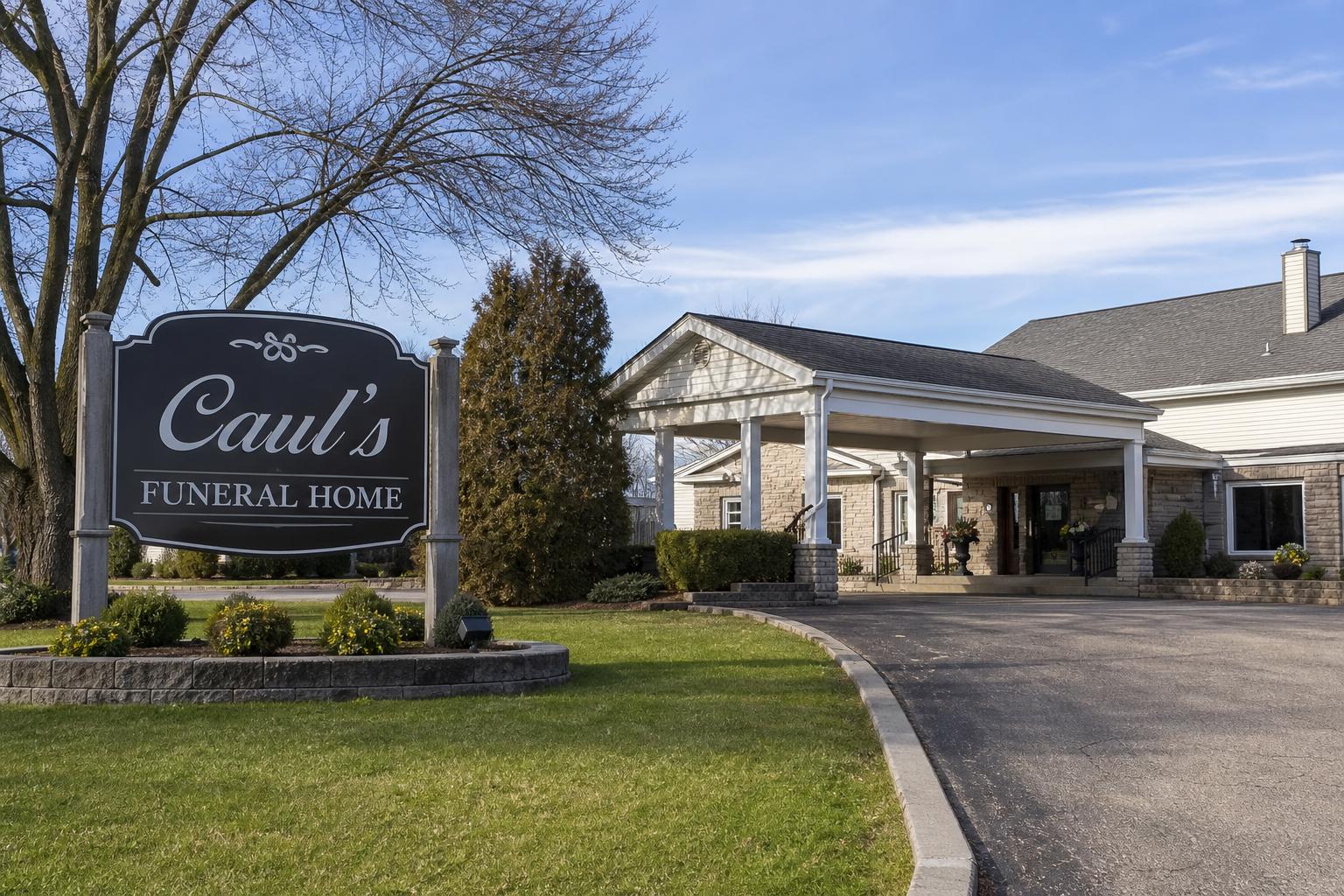
If you’re searching for Caul’s Funeral Home, there’s a good chance you need clear information fast. Maybe you’re arranging a service in St. John’s, trying to find an obituary, or comparing options while your mind is still catching up to what’s happened. This guide is built to help. It explains what Caul’s Funeral Home and similar Canadian providers typically offer, what to expect in Newfoundland and Labrador, how much things usually cost, where financial help might be available, and how to make calm, confident choices when time and emotions are tight.
Along the way, you’ll find step-by-step checklists, plain-language explanations of Canadian paperwork, and careful notes about local norms—because a good funeral plan isn’t just about logistics. It’s about making space for memory and meaning, without losing track of the practical details that keep everything on track.
Are You Looking for Caul’s Funeral Home, Obituaries, or Immediate Help?
People land on the phrase “caul’s funeral home” for different reasons. You might want today’s obituary listings to confirm service times and directions. You may be preplanning for yourself or a parent, or you’re in charge of arrangements after a sudden loss. Each path calls for slightly different information, but the same foundations apply: understand your choices, set a workable budget, and partner with a funeral director who listens.
If you need immediate support (a death has just occurred), a funeral home in St. John’s can typically coordinate transfer from home, hospital, or a care facility, explain your next steps, and start the required paperwork. If you’re searching for obituaries, most Canadian funeral homes—including Caul’s—maintain current listings on their websites, often with guestbooks, livestream links, and directions. If you’re comparing options, look for transparent pricing, cultural or faith experience that fits your family, and flexible service formats ranging from simple cremation to full burials with church services.
What Caul’s Funeral Home and Similar Canadian Providers Typically Offer
Funeral homes in Canada share a core set of services, then add features based on community needs. While specific offerings vary by location and should be confirmed directly, families in St. John’s looking at Caul’s Funeral Home will generally see many of the following:
- Immediate assistance when a death occurs, including transportation and care of the deceased.
- Guidance on paperwork: registration of death, documents for Vital Statistics, and proof-of-death certificates for banks and insurers.
- Arrangements for burial or cremation, with options for traditional services, visitations, memorials, or simple/direct choices.
- Coordination with places of worship, cemeteries, crematoriums, musicians, celebrants, and reception venues.
- Facilities for visitations (wakes), funeral services, or gatherings, including accessibility considerations and parking.
- Livestreaming, recording, or audio-visual support for families spread across Canada and abroad.
- Obituary placement on the funeral home website and in local newspapers; help drafting notices and acknowledgments.
- Caskets, urns, keepsakes, stationery, flowers, and memorial items; eco-conscious options where available.
- Repatriation support for transporting remains within Canada or internationally.
- Aftercare resources: grief support referrals, help ordering additional death certificates, and guidance on settling estates.
If you have particular cultural or religious needs—Catholic rites, Indigenous traditions, secular celebrations of life—raise them early. Experienced directors can usually adapt services, recommend appropriate venues, and coordinate community-specific customs so nothing important is overlooked.
Step-by-Step: Arranging a Funeral in St. John’s, Newfoundland and Labrador
The First 24 Hours After a Death
No matter the province, the first steps follow a consistent pattern. If the death occurs in a hospital or long-term care home, staff notify the physician and provide direction. If it happens at home and was expected (for example, through palliative care), contact the attending physician or on-call service. For unexpected deaths, call emergency services; the coroner or medical examiner may be involved. Once a funeral home is selected—such as Caul’s Funeral Home in St. John’s—they can coordinate transfer and explain the documents you’ll sign to authorize care.
In Newfoundland and Labrador, as in all provinces, the death must be registered with Vital Statistics. The funeral home typically handles the registration using medical information provided by a physician or coroner. Ask how many proof-of-death certificates they can provide; banks, insurance companies, and pension providers often request them, and they’re usually supplied by the funeral home at little or no cost.
Documents and Paperwork in Newfoundland and Labrador (and Across Canada)
You will likely see some or all of the following:
- Medical certificate of death (completed by the physician or coroner): establishes cause of death for Vital Statistics.
- Registration of death (completed by the funeral director with family input): filed with Vital Statistics to create the official provincial record.
- Proof-of-death documents from the funeral home: used for accounts and benefits. These are widely accepted though not a substitute for a government-issued death certificate.
- Government death certificate (ordered through provincial Vital Statistics): required for certain legal matters like property and some estate transactions.
- Authorization for cremation or embalming (as applicable): must be signed by the legally authorized representative.
- Disbursement forms or itemized statements: show third‑party charges (newspaper notices, clergy honoraria, cemetery fees) handled by the funeral home.
The funeral home will guide you on who has legal authority to make arrangements—usually the executor named in the will or, if none, the next of kin in a defined order (spouse, adult children, parents, etc.). If there’s disagreement, it can delay arrangements and may require legal advice. Settle decision-making early to prevent stress later.
Set a Working Budget Early
Costs vary widely depending on choices. A helpful mindset: decide the type of service first, then fit the details to your budget. In Newfoundland and Labrador, direct cremation (no ceremony at the time) is commonly in the range of a few thousand dollars, while a traditional funeral with visitation, a church service, and burial with cemetery fees can total several thousand more. Cemetery plots, markers, and receptions are typically extra. HST applies to most funeral services and merchandise in NL (15% at the time of writing), while some cemetery or municipal fees may be treated differently; ask for an itemized statement to see what’s taxed and what isn’t.
Ask for pricing transparency. In Canada, funeral providers should provide itemized price lists on request. You’re entitled to compare. Even if you prefer Caul’s Funeral Home for family reasons or location, reviewing a clear, line-by-line estimate helps avoid surprises and keeps expectations realistic.
Choose Between Burial, Cremation, or Donation
Think about values, faith, family expectations, and budget:
- Burial: Often includes a casket, cemetery plot, opening/closing of the grave, and sometimes a vault or liner depending on cemetery rules. A marker or headstone is a separate expense and may be installed later, especially in winter.
- Cremation: Can be paired with a service before cremation (with the casket present) or after (with an urn or photos). Some families choose direct cremation with a memorial gathering later. Scattering ashes may be an option—always follow local bylaws and federal guidance for waterways.
- Body donation: Some medical schools accept whole-body donation; acceptance is not guaranteed and must meet eligibility criteria. Discuss timing requirements with the institution in advance if possible.
If you’re leaning toward burial, contact the cemetery sooner rather than later. Plots in preferred sections may be limited, and weekends or holidays can affect availability and overtime charges. If choosing cremation, clarify timelines: do you want a viewing first, or a quick cremation with a celebration of life later when out‑of‑province family can travel?
Plan the Service: Faith-Based, Secular, or Something In Between
Families in St. John’s often blend tradition with practicality. Some prefer a visitation (wake) followed by a church funeral and interment. Others choose a memorial service in the funeral home chapel with music, storytelling, and a slideshow. Many funeral homes accommodate both approaches and can recommend clergy, celebrants, or musicians. Consider:
- Venue: funeral home chapel, church, community hall, or outdoors (weather permitting).
- Format: formal liturgy, structured program with readings, or informal gathering.
- Timing: daytime events are common; evening visitations help working relatives attend.
- Livestreaming: essential if family is spread across Canada or abroad; ask for a test link ahead of time.
- Accessibility: step-free access, nearby parking, washrooms for guests with mobility needs.
It’s not the number of flowers or the length of the eulogy that makes a service meaningful. It’s the details that reflect the person: a favorite hymn, a bilingual reading, a cherished hockey jersey on display, or a donation request that lines up with their passions.
Obituaries and Announcements with Caul’s Funeral Home
Most families now combine a funeral-home obituary page with a newspaper notice and social posts. Obituary pages often include the service schedule, directions, a map, and a place to leave messages. When you’re writing the notice, keep essentials up front: full name (including nicknames), age, date of death, close family, service details (where and when), and whether flowers are welcome or donations are preferred. If privacy is a concern, you can keep addresses out of the notice and route deliveries through the funeral home.
If you’re reading an online notice and see phrases like “resting at,” it usually refers to the visitation location; “Mass of Christian Burial” signals a Catholic funeral; “interment to follow” means the burial happens right after the service. Caul’s Funeral Home and similar providers in St. John’s often use this respectful, standardized language to make plans easy to follow.
Day-of Logistics and What Happens After
On the day of the service, arrive a little early. Bring tissues, water, and a simple plan for who will greet friends, who will hand out programs, and who will manage any slideshow or livestream chat. If there’s a procession to the cemetery, the funeral director will line up vehicles and explain the route. After the burial or memorial, many families host a reception—at the funeral home, a church hall, a community centre, or a favorite restaurant.
After the service, the practical work continues. Expect to handle estate paperwork over weeks and months. Your funeral director can point you toward grief counselling resources, government benefits (including the CPP death benefit), and local legal or notary services if you need help with wills and estates.
How Much Do Funerals Cost in Newfoundland and Across Canada?
Budgets depend on choices, location, and availability. The ranges below are estimates to help with planning in St. John’s and comparable Canadian cities. Always request an itemized quote from the funeral home and confirm taxes and disbursements (third‑party charges) in writing.
| Service Type | Typical Inclusions | Estimated Range (CAD) | Notes |
|---|---|---|---|
| Direct cremation (no formal ceremony at the time) | Basic professional services, transfer, sheltering, cremation fee, simple container, basic urn | 2,000 – 4,000+ | Obituary, taxes, and third‑party fees extra. Prices vary by province and city size. |
| Memorial service after cremation | Direct cremation plus chapel use, staff, audio-visual, stationery | 3,500 – 6,500+ | Reception catering, flowers, and media services can add to total. |
| Traditional funeral with visitation and burial | Professional services, embalming (if chosen), casket, visitation, funeral service, hearse | 7,000 – 12,000+ | Cemetery plot, opening/closing, vault/liner (if required), marker, and reception are additional. |
| Cemetery plot (St. John’s area) | Interment rights | Varies widely | Check with the specific cemetery for availability and rules; weekend/holiday fees may apply. |
| Repatriation (within Canada) | Preparation, permits, airline cargo, shipping container | 2,500 – 6,000+ | International transfers cost more due to consular documents and airline rules. |
HST in Newfoundland and Labrador is 15%, applied to most funeral home services and merchandise. Some third‑party fees (e.g., certain cemetery or municipal charges) may be handled as disbursements; ask your funeral director to clarify what’s taxed and what is simply passed through at cost.
Financial Help: Canadian Programs and Practical Ways to Reduce Costs
Even well-prepared families can feel the financial strain of an unexpected funeral. Several programs may help:
- CPP death benefit: A one‑time payment (commonly $2,500 for eligible contributors). Apply through Service Canada; proof of death is required.
- CPP survivor’s pension and children’s benefits: Ongoing support for eligible spouses/common-law partners and dependent children.
- Provincial or municipal assistance: In Newfoundland and Labrador, income support programs may cover basic funeral costs for individuals with limited means. Contact provincial social services or ask the funeral home to help apply.
- Veterans: The Last Post Fund may provide funeral and burial benefits for eligible Canadian Armed Forces Veterans with financial need or if death is service-related.
- Indigenous families: Indigenous Services Canada administers funeral and burial assistance for eligible First Nations and recognized Inuit. Confirm eligibility and required documentation.
- Workplace and union benefits: Group life insurance, accidental death coverage, or employee assistance programs may contribute.
- Automobile or travel insurance: Can apply when death occurs due to a covered event or away from home.
- Community and faith groups: Sometimes offer hall space, volunteers, or modest donations to offset reception and ceremony costs.
Not every cost-cutting measure feels right for every family, but a few options make sense for many:
- Hold a memorial service after cremation instead of a funeral with the casket present.
- Use personal flowers, photos, and playlists to reduce décor expenses.
- Choose a modest casket or a rental casket (for viewing) followed by cremation.
- Schedule the reception as a potluck in a church hall or community centre.
- Ask for a written quote before approving newspaper notices—print costs can add up quickly.
Choosing Between Funeral Homes in St. John’s (Including Caul’s Funeral Home)
Fit matters. You want staff who make time for your questions, clear pricing, and a facility that suits your guests. When comparing Caul’s Funeral Home with other providers in St. John’s or nearby communities, consider the following practical points:
- Transparency: Do they provide an itemized price list without delay? Are disbursements clearly labeled?
- Facilities: Is the chapel the right size? Are there multiple visitation rooms? Is there ample parking and accessibility for mobility aids?
- Scheduling: How quickly can they secure a service time that works for your family and any clergy or celebrants?
- Technology: Livestream quality, recording availability, and on‑site technical support.
- Cultural/faith experience: Familiarity with Catholic rites, Protestant services, Orthodox traditions, secular celebrations, or multicultural customs you value.
- Reputation: Local word‑of‑mouth, recent reviews, and the consistency of care over time.
- Location: Proximity to the church, cemetery, or family homes can simplify a difficult day.
- Aftercare: Do they help with benefits, death certificates, grief resources, and estate checklists?
Consider making a short call to two or three funeral homes. You’ll learn a lot from the first five minutes: how they answer, whether they rush you, and how clearly they respond to cost questions. If your family has always used Caul’s Funeral Home and you’re happy with their approach, that continuity can be invaluable—staff will often remember family preferences and community connections.
Etiquette and Local Customs in Newfoundland and Labrador
Every community has its funeral language and rhythms. In Newfoundland and Labrador, traditions often blend Irish, English, and wider Canadian influences. Here are a few notes that help guests and planners alike:
- Visitation (wake): Often held the day before the funeral, sometimes over two days. Guests typically sign a register and share condolences with the family.
- Open casket or closed: Both are common; it’s purely a family choice. If you’d prefer closed or no viewing, say so when planning.
- Dress: Dark, respectful clothing is standard but not mandatory. For a celebration of life, families may suggest colours or team jerseys to reflect the person’s personality.
- Donations in lieu of flowers: Many notices invite contributions to a named charity. Respect the family’s request whenever possible.
- Weather: Newfoundland weather changes quickly. Keep umbrellas, warm layers, and safe footwear handy for cemetery visits.
- Condolences: A short, sincere message means more than a long, polished essay. Online guestbooks on funeral home obituary pages make it easy for those away.
Green and Simple Options in Atlantic Canada
Simplicity and environmental stewardship matter to many Canadians. Ask your funeral director about:
- Direct cremation with a later memorial or graveside gathering.
- Minimal embalming or no embalming, when appropriate for the timing and type of service.
- Eco-conscious caskets and urns made from sustainably sourced materials.
- Memorial trees, charitable donations, or community projects in lieu of elaborate flowers.
- Green burial options: availability varies by province and cemetery. Inquire about local rules in and around St. John’s.
Regarding scattering ashes: in general, private land requires the owner’s permission; municipal parks and waterways may have bylaws; federal waterways and coastal areas fall under federal guidance. Many families in Newfoundland choose quiet coastal spots with personal meaning, but it’s important to follow local rules and be discreet and respectful of others using the space.
Repatriation To or From Newfoundland and Labrador
When death occurs away from home, or families wish to be laid to rest in a hometown cemetery, transportation becomes part of the plan. A funeral home such as Caul’s can coordinate with counterparts in other provinces or countries to manage preparation, documentation, and airline cargo bookings. Consider:
- Timing: International consular documents can add days. Airlines have cut-off times for cargo and specific container requirements.
- Embalming: Often required for international transport; confirm destination rules.
- Cremation first: Many families choose cremation at the place of death and transport the urn, which simplifies paperwork and lowers costs.
- Insurance: Travel or employer coverage may reimburse repatriation fees; gather policies early.
Your funeral director will typically provide a timeline, cost estimate, and checklist of documents required by the destination jurisdiction, including translations if needed.
Preplanning with a Newfoundland Funeral Home
Planning ahead lightens the load for those left behind and protects your budget from future price increases. Prearrangements typically come in two forms:
- Guaranteed plans: You lock in the cost of the funeral home’s services and merchandise. Third‑party items (e.g., cemetery fees) are usually not guaranteed.
- Non‑guaranteed plans: Funds are set aside, but final prices at the time of need apply.
Across Canada, prepaid funds are generally held in trust or insured, with consumer protection rules set by each province. In Newfoundland and Labrador, prepaid funeral arrangements are regulated; ensure your contract explains where the funds are held, how interest is handled, what’s guaranteed, and how cancellations or transfers work. Ask about any cooling‑off period for refunds and request a full copy of the agreement.
Practical tip: Pair your prearrangement with an updated will and a short “final wishes” letter for your executor. Include contact details for your preferred funeral home (for example, Caul’s Funeral Home), preferred service style, music or readings, and a list of people to notify. Keep documents in an obvious, safe spot—not in a bank safety deposit box that may be inaccessible right away.
Digital Memorials, Livestreaming, and Privacy
Livestreams and online guestbooks are now standard, especially for families spread across provinces. When arranging services, ask about:
- Livestream links: Are they public or private? How long will the recording be available?
- Copyright: If you’re using recorded music or slideshow tracks, confirm usage rules.
- Comments moderation: Who removes inappropriate messages? Is there a spam filter?
- Photo permissions: Get consent from close family before posting sensitive images.
Think ahead about social media. Choose one central announcement (often the funeral home’s obituary link) and share from there to avoid confusion. After the funeral, some families keep the obituary page active as a quiet place to revisit tributes; others prefer to close it and save a PDF or screenshots for personal archives.
After the Funeral: A Canadian Family’s Checklist
Grief is a full-time job. Paperwork shouldn’t be. Use this list to pace yourself and delegate where possible:
- Order government death certificates from Newfoundland and Labrador Vital Statistics if needed for legal matters.
- Apply for the CPP death benefit and any survivor or children’s benefits through Service Canada.
- Notify banks, credit unions, and investment firms. Provide proof-of-death documents and ask about joint accounts and automatic payments.
- Contact life insurers, pension administrators, and group benefits providers.
- Update or cancel government IDs: driver’s licence, health card, passport. Service NL can guide you for provincial documents.
- File final and, if applicable, rights-or-things tax returns with the Canada Revenue Agency; consult an accountant if the estate is complex.
- Redirect mail through Canada Post and secure the home, vehicle, and valuables.
- Speak with a lawyer or notary about probate, property transfers, and executor duties.
- Update club memberships, subscriptions, and online accounts; consider memorializing or closing social media profiles.
Practical Scenarios and Budgets (Examples)
Scenario 1: Simple, Timely Cremation with a Spring Memorial
A family chooses direct cremation in St. John’s during the winter and plans a memorial picnic by the coast in May. The funeral home handles transfer, paperwork, cremation, a basic urn, and several proof-of-death documents. The obituary is posted online with an update later about the spring gathering. Estimated total: in the lower range of the cremation estimate, plus a modest hall rental or picnic permit and catering costs for the memorial.
Scenario 2: Traditional Visitation, Church Funeral, and Burial
Two evenings of visitation at the funeral home, followed by a morning church service and interment. There’s a procession to the cemetery, then a reception in the parish hall with tea sandwiches and sweets. Estimated total: mid-to-upper range for a traditional funeral, plus cemetery plot (if not already owned), opening/closing fees, a headstone later, flowers, and reception catering. Taxes and disbursements apply.
Scenario 3: Out-of-Province Death, Cremation There, Memorial in St. John’s
An elder dies while visiting family in Ontario. The family arranges direct cremation in Ontario (handled by a local provider), then carries the urn back to Newfoundland and Labrador for a memorial service at the funeral home with livestream for relatives abroad. Estimated total: cremation fees in Ontario, urn transport costs (minimal), memorial service costs at the St. John’s funeral home, obituary, and reception. This route often reduces both complexity and cost compared to shipping a casket.
Common Pitfalls—and How to Avoid Them
Even with an attentive funeral home, a few snags can derail a calm plan. Stay ahead of them:
- Unclear authority to arrange: Confirm who has legal right to authorize the funeral and cremation early to avoid last‑minute disputes.
- Verbal-only pricing: Always get an itemized estimate in writing. Ask which items are guaranteed and which are pass‑through disbursements.
- Over-ordering programs and flowers: Estimate guests conservatively; you can often print a few extra quickly if needed.
- Technology hiccups: Do a quick livestream or slideshow test the day before with the funeral home’s staff.
- Winter cemetery timing: In harsh weather, interment or marker installation may be delayed; plan for a later graveside gathering if necessary.
How to Read Funeral Notices and Obituaries (Caul’s and Other Providers)
Canadian obituaries use a familiar set of phrases. Understanding them helps you arrive on time and prepared:
- “Resting at [funeral home]”: Where the visitation (wake) will be held.
- “Visitation on [dates/times]”: Windows when the family will receive guests. Come and go as you wish; there’s no need to stay the entire time.
- “Mass of Christian Burial / Funeral Service”: The main service. For church services, arrive 10–15 minutes early.
- “Interment to follow at [cemetery]”: Burial will happen immediately after the service; expect a short graveside ritual.
- “Flowers gratefully accepted / Donations to [charity]”: Follow the family’s preference where possible.
- Livestream link: Usually posted on the funeral home obituary page; test it a few minutes early to avoid missing the start.
If you’re unsure whether a service is private, assume it’s open to friends unless the notice says “private family service.” If distance or health keeps you away, a brief message in the obituary guestbook is a thoughtful alternative.
Comparing Service Formats at a Glance
| Format | Best For | Considerations |
|---|---|---|
| Direct cremation | Budget-conscious families; timing flexibility | Plan a meaningful memorial later to bring people together. |
| Visitation + funeral (church or chapel) | Tradition, faith routines, larger gatherings | More moving parts; book venues and clergy early. |
| Memorial service only | Storytelling and personalization; travel-friendly | Choose a strong MC or celebrant to keep the flow. |
| Graveside service | Simple, intimate, often outdoors | Weather backup plan recommended in NL. |
Working Smoothly with Your Funeral Director
Honest conversations make everything easier. A few questions to bring to your first meeting—whether you choose Caul’s Funeral Home or another trusted provider in St. John’s:
- Can you walk me through a written, itemized estimate? What’s included and what are disbursements?
- What are the earliest and latest practical dates for visitation and the service?
- How do we arrange livestreaming, recording, or a slideshow? Who handles testing?
- What documents will I need for CPP and life insurance, and how do I order government death certificates?
- If we choose cremation, what is the timeline? If burial, are there cemetery rules we should know?
- Can we personalize the service with music, photos, or a specific officiant?
- What are your policies on cancellations, refunds, or transferring plans if circumstances change?
A good director won’t rush you, will explain tradeoffs clearly, and will respect your budget without pressure. That’s the standard you deserve.
What Makes a Funeral Feel Right
Families often worry about “getting it right.” Here’s a reassuring truth: there is no single perfect formula. The best services reflect the person and support the living. If you keep those two goals in view, the rest falls into place—whether you’re welcoming a crowd into a church in downtown St. John’s or gathering a handful of relatives around a kitchen table with tea and stories. Caul’s Funeral Home and other experienced providers in Newfoundland and Labrador understand this balance and can help you translate it into a plan that fits.
Frequently Asked Questions
Does Caul’s Funeral Home post obituaries online?
Most funeral homes in Canada, including those in St. John’s, maintain online obituary pages with service details, directions, and guestbooks. If you’re searching for a specific person, start with the funeral home’s website and local newspaper sites, and try exact name searches with the city in quotes.
How quickly do we have to decide on arrangements?
There’s usually time for one calm planning meeting within the first day or two, especially if a medical examiner isn’t involved. If family members are traveling, funeral homes can hold a date tentatively while you confirm details. Don’t feel rushed into big purchases—ask for a written quote and sleep on it if you can.
What documents do I need to claim the CPP death benefit?
You’ll need proof of death (usually provided by the funeral home), the deceased’s Social Insurance Number, and completed Service Canada forms. If you’re the executor, keep a file with copies of ID, the will, and funeral home documents to streamline applications.
Can we livestream a funeral in St. John’s?
Yes. Many Newfoundland funeral homes offer livestreaming and recording. Ask about camera placement, sound quality, and whether the link will remain accessible after the service for those in different time zones.
Are funeral costs in Newfoundland and Labrador subject to HST?
Most funeral home services and merchandise are subject to HST in NL (15% at the time of writing). Some third‑party or municipal fees may be handled differently. Review your itemized statement to see what is taxed and what is a pass‑through disbursement.
What’s the difference between a funeral and a memorial service?
A funeral usually occurs with the body or casket present and often includes a visitation. A memorial service happens after burial or cremation and centres on tributes, photos, and gathering. Both can be held in a church, funeral home chapel, or another meaningful venue.
Can we scatter ashes along the Newfoundland coast?
Many families choose to scatter in meaningful outdoor places, but rules apply. Private land needs permission; municipal parks and waterways may have bylaws; federal waterways follow federal guidance. Use common sense, be discreet, and check local regulations.
How do prepaid funerals work in Newfoundland and Labrador?
Prepaid arrangements are regulated. Funds are typically held in trust or insured. Contracts should state what’s guaranteed, where the money is held, how interest is managed, and cancellation or transfer terms. Ask the funeral home to explain your rights and provide all paperwork up front.
What if we can’t afford a funeral?
Speak with the funeral home about modest options like direct cremation and community hall receptions. Ask about provincial assistance, the CPP death benefit, veterans’ support, Indigenous Services Canada programs for eligible families, and any workplace or union benefits. A director can help you apply.
How do we choose between Caul’s Funeral Home and other providers?
Call two or three options. Compare itemized quotes, scheduling flexibility, facility fit, livestreaming, and cultural or faith experience. Trust the team that listens carefully, explains clearly, and respects your budget and wishes.