
Bear Spray in Canada: A Complete, No-Nonsense Guide to Choosing, Carrying, and Using It Right
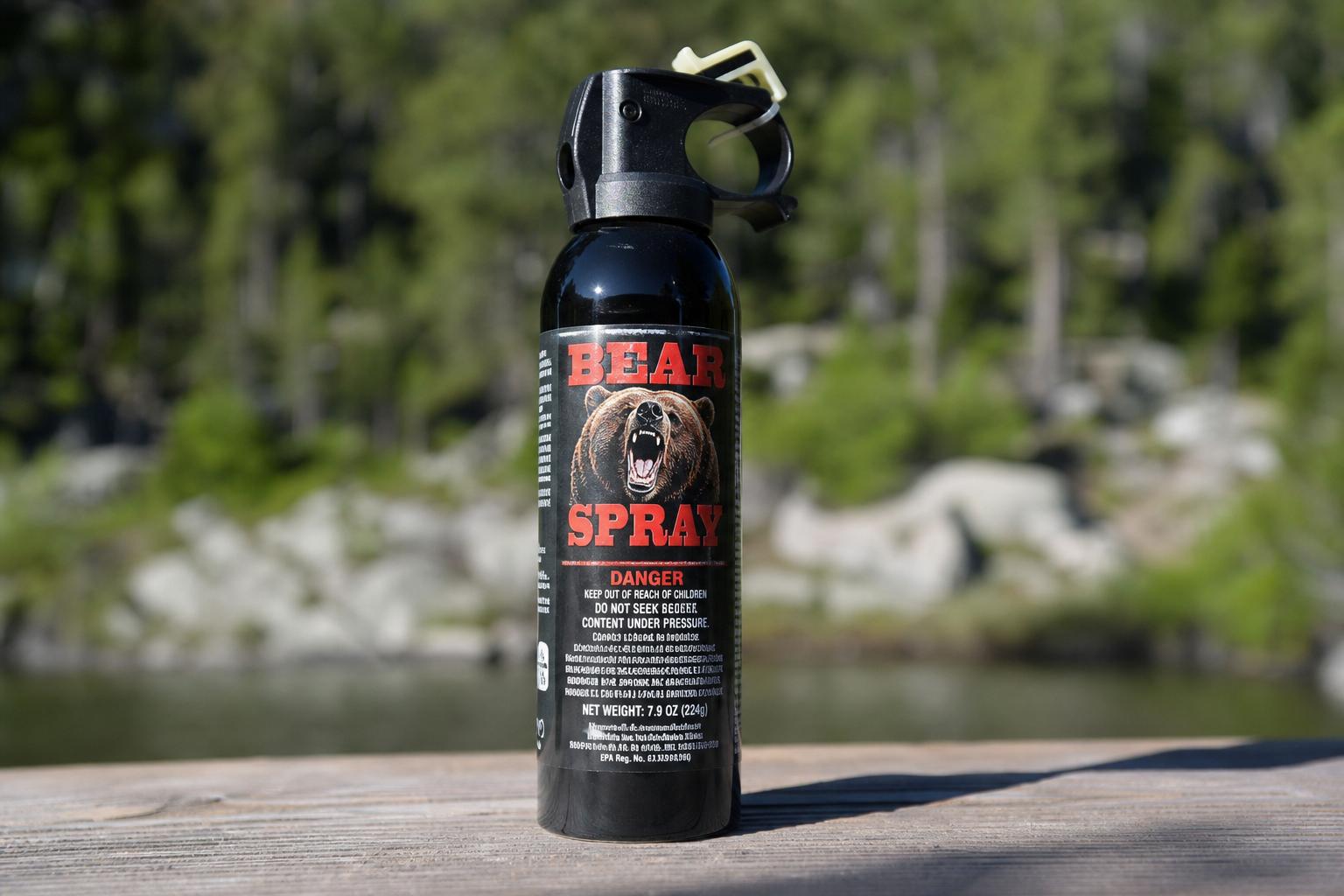
Step onto a trail in Banff, paddle a quiet bend of the Yukon River, or set up a tent near a berry patch in Kluane, and one piece of gear comes up again and again: bear spray. Not as a fashion accessory. As a tool that can save your life and a bear’s life too. This guide explains exactly what bear spray is, how it works, what Canadian rules say, how to use it under pressure, and how to fit it into your trip without fuss. We’ll talk real-world tactics—where to carry it, how to practice, what to do in wind, cold, or rain—plus how to avoid common mistakes that get people in trouble. If your plan is to explore wild places in Canada, this is everything you need to know.
What Exactly Is Bear Spray?
Bear spray is a pressurized aerosol deterrent formulated with capsaicin and related capsaicinoids—the compounds that make chili peppers painfully hot. Unlike small “pepper spray” cans marketed for self-defence, bear spray is engineered to create a fast, expanding cloud that hangs in the air and overwhelms a charging bear’s eyes, nose, and lungs long enough for you to back away to safety. It’s a shield, not a magic wand. Used properly and at the right moment, it dramatically reduces the chance of serious injury during a close encounter.
In Canada, bear spray is regulated as a pest control product by the federal Pest Management Regulatory Agency (PMRA) under the Pest Control Products Act. That’s why labels say “Bear Deterrent” in English and French and include a registration number. Typical Canadian-registered products contain roughly 1.0–2.0% capsaicin and related capsaicinoids and come in 225–325 g cans with spray ranges in the 7–10 metre ballpark, depending on brand, temperature, and wind. The spray pattern is a fogging cone—not a narrow stream—designed to build a barrier a bear must cross.
Important distinction: bear spray is legal to carry in Canada for the purpose of deterring aggressive animals. Using any aerosol pepper spray as a weapon against a person is illegal and can lead to serious criminal charges. The same product that’s lawful to take on a backcountry hike becomes a prohibited weapon in a city if your intent is to use it on people. That difference—purpose and use—sits at the core of Canadian law on the topic.
Does Bear Spray Work? What the Evidence Says
Short answer: yes, when used correctly. Field research—much of it involving Canadian biologist Stephen Herrero and colleagues, as well as U.S. studies in Alaska and the Rockies—has consistently shown high effectiveness of bear spray at stopping undesirable bear behaviour at close range. While numbers vary by study and methodology, success rates commonly land above 90% for deterring aggressive bears and substantially reducing human injury compared with firearms use during defensive encounters.
Why does it work so well? That capsaicin fog triggers an immediate, overwhelming reaction in a bear’s mucous membranes. Eyes slam shut, breathing becomes difficult, the nose burns. For a few crucial seconds to minutes, the bear is far more focused on the burning sensation than on you. Those seconds are your window to leave. It’s a non-lethal deterrent with a quick onset—exactly what you want under pressure.
Efficacy isn’t a promise. Poor technique, empty or expired cans, strong headwinds, or waiting too long can reduce effectiveness. But compared with trying to outpace a bear (impossible) or outshoot one under adrenaline (rarely as easy as people think), properly deployed bear spray has an excellent safety record for both people and bears.
Bear Spray and Canadian Law: What You Can and Cannot Do
Federal framework
At the federal level, bear spray is a registered pest control product intended to deter wildlife. That’s why you’ll see clear label language about use on bears and detailed instructions, including first aid. Carrying it for that stated purpose is lawful across Canada. Problems arise when someone possesses or uses pepper spray with the intent of using it on a person. In that situation, police may view it as a prohibited weapon, and Criminal Code offences like possession for a dangerous purpose or assault with a weapon could apply. Intent and actual use both matter.
Provincial and park rules you should know
Parks Canada and provincial land agencies (for example, Alberta Parks, BC Parks, Manitoba Parks) recommend carrying bear spray in bear country and knowing how to use it. Many backcountry orientations and trailhead signs in Banff, Yoho, Jasper, Kootenay, Kananaskis, and Glacier/Revelstoke specifically mention it. In polar bear country (Churchill, Nunavut, Northwest Territories), authorities often recommend multiple deterrents and strict camp practices; bear spray can be one tool among others.
Bylaws and venue rules vary. Courthouses, many public events, stadiums, and some transit systems prohibit possession of any aerosol deterrent inside. Universities and workplaces may have policies too. When in doubt, check the venue’s list of prohibited items. Carrying a can on a city bus to your downtown office is not the same as clipping it to a hip belt in Yoho.
Airlines, ferries, and borders
- Air travel: You cannot take bear spray on commercial flights in Canada—neither carry-on nor checked baggage. The same is true in the U.S. If you’re flying to Whitehorse, Yellowknife, or Iqaluit, buy at your destination or arrange local rental, and plan to leave it behind or dispose of it properly before your return flight.
- Ferries: Most Canadian ferries prohibit carrying bear spray in passenger areas. If you’re on BC Ferries, keep it secured in your vehicle; policies can change, so verify before you sail.
- Border crossings: Canada Border Services Agency allows importation of bear deterrent properly labelled and marketed to deter animals, not people. Pepper spray marketed for self-defence against humans is prohibited. If you’re crossing into Alaska or Montana, check U.S. Customs and Border Protection guidance; the rule-of-thumb is similar: bear spray is allowed, personal defence pepper spray is tightly restricted.
Retailers commonly sell only to adults and may log sales; that’s a store policy in many places, not necessarily a provincial law. Either way, buy from reputable Canadian retailers and make sure the label includes the PMRA registration number and bilingual instructions.
Choosing the Right Bear Spray Can
Not all cans are created equal, but any PMRA-registered bear deterrent from a reputable brand will do the core job if you do yours. Here’s how to pick with confidence.
Key specs that matter
- Net content and range: Common sizes are 225–325 g, with typical ranges around 7–10 m in ideal conditions. More content usually means a longer potential spray time (for example, 6–9 seconds total) and sometimes a bit more range.
- Spray pattern: Look for a fogging cone rather than a thin stream. You want to build a wall the bear has to move through, not thread a needle while your hands shake.
- Active ingredient: Labels list capsaicin and related capsaicinoids as a percentage. Many Canadian cans are in the 1.0–2.0% range. Higher percentages aren’t automatically better if range and aerosolization suffer. Balance matters.
- Trigger and safety design: A large, glove-friendly trigger and a simple safety clip or flip-top matter when your fine motor skills vanish. Try the safety motion in-store if possible.
- Expiry date: Most cans carry a 3–5 year shelf life. Pressure drops with age and temperature cycling. Always check the date and replace before it lapses.
- Holster compatibility: A secure, quick-draw holster that fits your pack’s hip belt or chest strap makes the difference between “carried” and “ready.”
Brands you’ll commonly see in Canada
You’ll find options from Counter Assault, SABRE (Frontiersman), and UDAP in outdoor shops across the country. All three sell PMRA-registered products with broadly similar performance and well-tested designs. Rather than obsess over brand, focus on size, expiry date, holster fit, and your ability to use the safety quickly.
Where to buy and what it costs
Outdoor stores like MEC, Atmosphere, and independent outfitters, as well as Canadian Tire, Cabela’s, and northern hardware co-ops, stock bear spray seasonally and in many cases year-round. Expect to pay roughly $45–$80 CAD for a full-size can. Holsters add $15–$25. Inert practice cans—non-irritant trainers—run around $20–$30 and are worth every dollar if you’re new to using aerosols under stress.
Spec snapshot
| Feature | Typical Range in Canada | Why It Matters |
|---|---|---|
| Net contents | 225–325 g | More contents = longer total spray time; helps with multiple bursts |
| Spray distance | Approx. 7–10 m (ideal conditions) | More distance gives you a wider safety margin |
| Spray pattern | Fogging cone | Builds an airborne barrier a bear must cross |
| Active capsaicinoids | ~1.0–2.0% | Drives potency; formulation also affects aerosol performance |
| Expiry | 3–5 years | Pressure and formulation degrade; replace on time |
How to Carry Bear Spray So You Can Actually Use It
If your can is buried in your pack, you don’t have bear spray—you have dead weight. The only right way to carry it is accessible and stable, all day, every day in bear country. That means no rummaging. No “one second, I’ll get it out.”
Smart carry options
- Hip-belt holster: The go-to for hikers. Mount it on your dominant-hand side, angled slightly forward. Practice the draw while walking.
- Chest harness: Handy for trail runners, mountain bikers, and photographers. It stays clear of pack straps and is accessible even with hands full.
- Belt holster: Works for anglers and for quick walks from the car to a viewpoint, but make sure it doesn’t dig into your waist under a PFD or waders.
- Boat/canoe quick-release: In a canoe or kayak, secure the can to the thwart or deck within easy reach, safety on, not loose in a bin. For sea kayakers, consider a deck-mounted pouch.
If you’re moving through dense brush, keep one hand free to draw. In a group, have more than one person carry a can; redundancy matters. If you walk your dog where bears are common (North Shore Mountains above Vancouver, Canmore outskirts, Coquitlam’s Burke Mountain), leash up and carry spray at the ready during berry season.
How to Use Bear Spray: Step-by-Step, Under Pressure
In a real encounter, adrenaline narrows your world. Simple, practiced motions are everything. Here’s the sequence to burn in before your trip.
Before anything happens
- Know your can: Read the label, test the safety clip, and check the expiry. Don’t “test fire” the real product; that leaves lingering irritant in the area and can attract curiosity once the scent changes.
- Carry ready: Safety on, holster secure, dominant hand free to draw. On windy days, mentally note wind direction as you walk.
When you spot a bear at distance
- Stop. Talk calmly. Back away slowly while keeping the bear in sight.
- Give space: Detours are your friend. Most encounters end here without drama.
- Get the spray in hand if the bear is paying attention to you or closing distance. Remove the safety but keep your finger off the trigger until it’s necessary.
If a bear approaches within range
- Plant your feet. Aim downward slightly so the fog rises into the bear’s face.
- Consider the wind: If it’s blowing toward you, you’ll taste some. That’s okay. You need the barrier in front of the bear.
- Spray 1–2 second bursts when the bear is within about 10 metres and closing. Sweep side to side to build a wall.
- If the bear keeps coming, continue short bursts, aiming to maintain the cloud between you and the animal.
- When the bear stops or veers, back away the direction you came. Do not run. Keep the spray up and ready.
If the bear makes contact distance
At very close range, aim directly at the face and eyes. Short, forceful bursts. Then shield your own face, keep moving away, and prepare for another burst if needed. Many charges are bluff charges; some turn at the last second. Your job is to build that fog barrier early and hold your ground while you deploy it.
After the spray
Leave the area immediately. The aerosol cloud lingers, and curious bears may return later. Report the encounter to the local parks office or conservation authority, especially if the bear was bold around people or food. Replace your can after any significant discharge; partial cans don’t inspire confidence on the next trail.
Bear Behaviour Basics in Canada: Read the Situation
Black bears, grizzlies, and polar bears—different animals, different contexts
Black bears (widespread across Canada, including Ontario’s Algonquin and Nova Scotia’s Cape Breton Highlands) are generally smaller than grizzlies and more likely to climb trees, but they can be assertive and food-conditioned in busy front-country areas. Grizzly bears (prominent in Alberta, BC’s interior and coastal ranges, and parts of the Yukon/NWT) often defend cubs and carcasses aggressively. Polar bears (coastal Arctic, Hudson Bay, High Arctic) are apex predators that commonly investigate anything novel on the landscape.
Defensive vs. predatory encounters
Many unwanted encounters are defensive: you surprised a bear at close range, got between a mother and cubs, or approached a carcass. Defensive bears moan, huff, jaw-pop, lay ears back, and may bluff charge. That’s the classic fog-barrier scenario for bear spray if the bear closes within range. A predatory bear (rare but serious) appears focused, quiet, and persistent, often stalking or following you. Same tool, different urgency—use the spray decisively if it closes distance. With polar bears, treat any close approach as high-risk and follow regional safety guidance strictly; visibility and wind on the tundra can complicate spray deployment, so plan multiple layers of deterrence.
General defensive habits that prevent using spray at all
- Make noise in dense brush and when visibility drops. Talk with your group. Shout at blind corners.
- Keep camps clean. Cook and store food away from sleeping areas. Use bear lockers where provided, or hang food correctly in forests that allow it.
- Manage dogs. Leash up. A dog that runs back to you with a bear behind it creates chaos.
- Watch for sign: fresh scat, tracks, tore-up logs, berry patches alive with feeding sounds.
Practice: The Part Most People Skip
A can on your belt is step one; knowing how to use it when your heart rate spikes is step two. Practice smooth, simple motions you can execute half-asleep or mid-sprint.
Use inert training spray
Buy a trainer (no capsaicin) made by the same brand as your live can. In an open, legal location with no people or pets downwind, practice:
- Drawing from your holster with both hands empty and full (trekking poles, bear line, camera).
- Removing the safety without looking.
- Short, controlled bursts, sweeping the nozzle to build a cloud.
- Backing away while maintaining aim.
Many municipalities prohibit discharging irritants within city limits, even trainers. Find a legal, open area or ask a local outdoor club where they run bear safety clinics. Parks staff sometimes offer demos in busy areas like Banff, Jasper, and Kananaskis during peak season.
Drill real-life scenarios
- Bike-mounted carry: Practice stopping, dismounting on the downhill side, and drawing without tangling in your frame.
- Canoe: Practice unclipping the can from the thwart and aiming while kneeling.
- Winter: Wear gloves and a shell. Can you still remove the safety easily? If not, change your holster setup.
Cold, Heat, Wind, and Rain: Environmental Realities
Bear spray is mechanical and chemical. Environment affects both. Plan for it.
- Cold: Very low temperatures can reduce pressure and range. In shoulder seasons or Arctic trips, carry the can close to your body or under a shell to keep it warmer. Do not put it next to bare skin; use a holster that protects the nozzle.
- Heat: Aerosol cans can rupture in extreme heat. Don’t leave a can baking on your dashboard in July in Kamloops or Calgary. If you must leave it in a vehicle, keep it out of direct sun, preferably in a shaded, ventilated spot.
- Wind: Headwinds blow the fog back toward you; crosswinds drift the cloud. Adjust by angling slightly upwind and building a bigger barrier. You may catch some of it—expect it and keep spraying if the bear is closing.
- Rain: Heavy rain can pull the fog down faster. Close-range deployment becomes even more important. Treat range estimates as optimistic in a downpour.
Storage, Transport, and Disposal
Day-to-day storage at home
- Keep it cool, dry, and out of reach of children.
- Do not store in a hot vehicle or in direct sun on a windowsill.
- Check the can periodically for corrosion or damage.
Transport in vehicles
Bear spray can ride in your car en route to the trail. Keep it secured so it won’t roll under pedals or discharge if crushed. Don’t leave it behind on hot days. Never store it loose in a backpack that kids might dig through.
Air travel and shipping
No commercial flights, period. For shipping, Canada Post and most couriers restrict aerosols with irritants as dangerous goods. If you must send it ahead for an expedition, use a carrier qualified to ship hazardous materials and expect extra cost and paperwork. Most people simply buy at the destination.
Disposal
Do not toss a live can into the garbage or recycling. Many municipalities accept aerosols at household hazardous waste depots or community environment days. Check your city’s waste and recycling pages (Toronto, Calgary, Metro Vancouver, Halifax, etc.). If a can is empty, follow local guidance; some regions still treat the container as hazardous. When in doubt, ask the depot.
Alternatives and Complements: What Else Helps (and What Doesn’t)
Bear spray isn’t the only tool, but it’s the most practical close-range deterrent for most Canadians. Other tools may complement it, depending on terrain and species.
Noise makers and scare devices
- Air horns: Loud, simple, sometimes effective at distance to alert or deter. Not a replacement for spray at close range.
- Bear bangers (pyrotechnics): Can be effective but require training and extreme caution—fire risk is real, and misfires can send a charge toward the bear. Some parks and fire bans prohibit them. Learn from qualified instructors and check local rules before carrying.
- Bells: The running joke is that bear bells are dinner bells. They’re too quiet to carry far in wind or through brush. Your voice carries better.
Firearms
Firearms are tightly regulated in Canada and prohibited in national parks. Even in legal zones, using a firearm effectively during a surprise bear encounter is hard. Research shows people are less likely to be injured when using bear spray than when relying on firearms during defensive encounters. For most hikers, paddlers, and photographers, bear spray is the safer, more practical option.
Electric fences
Portable electric fences can protect remote camps and food caches in grizzly or polar bear country. Guides and research crews commonly use them. They’re a complement to—not a substitute for—carrying deterrent on your person.
Food storage and camp discipline
Still the number one “deterrent.” A clean camp prevents many problems. Use metal lockers where provided (Rockies front-country), fixed cables (some backcountry sites), or hang food properly in forested areas that allow it. On barren ground in the Arctic, use sealed barrels and fences, and keep a clean, minimal scent profile.
Comparing options at a glance
| Tool | Best Use | Strengths | Limitations |
|---|---|---|---|
| Bear spray | Close-range defensive encounters | Fast, non-lethal, high efficacy; easy to carry | Wind and cold reduce performance; requires practice |
| Air horn | Alerting bears to your presence at distance | Simple; reusable | Not reliable during a charge; bulky for runners |
| Bear bangers | Deterrence at medium range with training | Loud, startling | Fire risk; legal restrictions; skill dependent |
| Firearms | Special cases, remote guides/hunters | Potential stopping power | Training, legal constraints, higher injury risk in defensive use |
| Electric fence | Camp perimeter in bear-dense areas | Passive protection while sleeping | Weight, setup time, not portable for day hikes |
Special Contexts: Adapting Your Plan
Urban-edge trails (Vancouver, Calgary, Canmore, Coquitlam)
Black bears move through these greenbelts. Mountain bikers and runners have fast, quiet approaches that can startle wildlife. Carry bear spray in a chest holster if you run or ride. Slow down in blind corners. Call out. In spring, cubs climb trees near busy paths; give them room and detour.
Hiking and backpacking in the Rockies
From Waterton and Kananaskis to Jasper and Yoho, you’ll cross berry slopes, avalanche paths, and elk calving grounds. Carry spray on your hip belt. Hike in groups. Make noise near streams and in willows. Some trails post seasonal group-size restrictions for grizzly habitat; follow them—these rules come from data, not paranoia.
Canoe expeditions (Woodland Caribou, Yukon, NWT)
In camp, store food downwind of your sleeping area. Keep spray at the ready around camp, not stashed in a barrel. In the boat, secure the can so it won’t wash overboard if you flip.
Polar bear country (Churchill, Nunavut, High Arctic)
Plan layered deterrence: bear spray for close range when wind allows, marine flares or cracker shells with training, portable electric fence around camp, strict watch protocols, and local guidance from outfitters or community wildlife officers. Respect local regulations; in some jurisdictions, certain deterrents or firearms may be standard for guides but restricted for visitors. Visibility and wind dominate your tactical choices on the tundra.
Photographers and film crews
Viewfinders create tunnel vision. Assign a safety lead who carries spray, watches the surroundings, and sets hard distance limits. Never crowd a bear for a shot—lenses exist for a reason.
Ethics and Safety After a Spray Event
Bear spray is non-lethal, and effects typically resolve in minutes to an hour. Still, you’ve had a serious wildlife interaction. Leave the area. Report it to the nearest Parks Canada office, provincial conservation officer, or local wildlife authority. If you think a bear is becoming food-conditioned or showed unusual boldness, details help managers protect both people and wildlife.
For you or a partner exposed to the spray: move to fresh air. Flush eyes gently with clean water for 15–20 minutes, hands off—rubbing makes it worse. Use mild soap and cool water on skin. Remove contact lenses. Seek medical help if symptoms persist, breathing is difficult, or you have asthma. In Canada, contact your provincial poison centre for guidance or call emergency services if it’s severe.
Budget and Buying Tips for Canadians
- Buy before peak season: Early spring often sees better selection and pricing than mid-July in Canmore or Banff, when shelves go bare.
- Check the expiry: Dig to the back of the shelf for the freshest date. Staff won’t mind if you’re polite.
- Watch for rentals: Some shops in tourist hubs rent bear spray—useful if you’re flying in. Confirm the expiry and return policy.
- Avoid no-name imports: Only buy products with a PMRA registration number and bilingual labels. Counterfeits or non-registered sprays are a liability you don’t want.
- Budget for a holster: If it’s not on your belt or chest, you won’t reach it in time.
Myths and Mistakes That Get People in Trouble
- “I keep it in my pack.” That’s the same as not carrying it. Holster it on your body.
- “I’ll outrun it on my bike.” You won’t. Slow down in blind corners, make noise, carry spray ready to deploy, and be prepared to stop.
- “Wasp spray is better and legal.” No. It’s illegal to use products contrary to their label and wasp spray isn’t tested on bears. Bear spray exists for a reason.
- “I’ll save it for when the bear is on top of me.” Deploy earlier, at 10 metres and closing. Build a wall; don’t wait for fur on your boots.
- “Expired is fine.” Pressure and potency drop. Replace on time.
- “Bells will keep them away.” Your voice is louder and carries farther. Bells are background noise in wind and rivers.
- “It’s illegal to carry.” Not for deterring animals in Canada. It becomes illegal when intended for use on people.
Quick Reference: Do’s and Don’ts
- Do carry bear spray on your person, safety on, every time in bear country.
- Do practice drawing and short bursts with an inert trainer.
- Do deploy early at close range if a bear charges. Aim low, sweep, build a cloud.
- Do report close encounters to local authorities.
- Don’t stash the can in your backpack.
- Don’t travel with it by air in Canada.
- Don’t use it on people—it’s illegal and dangerous.
- Don’t leave it in a hot vehicle or forget to check the expiry date.
Regional Notes and Canadian Realities
Western mountains (BC, Alberta)
Grizzlies are common in the Rockies and parts of the Columbia Mountains. Expect seasonal closures and group-size requirements on some trails (for example, in Banff and Yoho). Carry spray on every backcountry trip and even on many popular day hikes—Larch Valley, Plain of Six Glaciers, Skyline Trail. Wind and sudden weather shifts can affect deployment; practice makes the difference.
Prairies and boreal (Saskatchewan, Manitoba, northern Ontario)
Black bears dominate. Food conditioning near campgrounds and cottages can be an issue. Keep camps clean, store attractants properly, and carry spray on remote quads and cutlines. In Churchill, expect polar bear safety briefings; bear spray is one part of a broader plan directed by local experts.
Central and eastern Canada (Ontario, Quebec, Atlantic provinces)
Black bears are widespread in forested parks (Algonquin, La Mauricie, Killarney, Fundy, Gros Morne’s interior). Many front-country campgrounds have bear-proof lockers and strict food storage rules. Carry spray for backcountry trips and shoulder-season hikes when visibility drops and bears feed heavily.
North (Yukon, NWT, Nunavut)
All three species may be present depending on region. Plan conservatively. Local knowledge matters—talk to outfitters and community wildlife officers. Consider electric fences for basecamps and build a layered deterrent plan.
Does Bear Spray Work on Other Animals?
It’s designed for bears, but the active ingredient affects many mammals. People have successfully deterred wolves and cougars at close range with bear spray. Aggressive moose—especially in winter—may also be driven off by a close-range burst, though the best defence is space and patience. Laws generally allow defensive use to protect yourself or your pet from an imminent animal attack, but do not use spray to harass wildlife or as a substitute for good judgment around animals in rut or with young.
First Aid and Decontamination for Accidental Exposure
- Air: Move to fresh air immediately.
- Eyes: Flush gently with cool water for 15–20 minutes. Don’t rub.
- Skin: Wash with mild soap and cool water. Oil-based cleansers can spread the irritant; stick with soap and water.
- Contacts: Remove and discard; capsaicin sticks to lenses.
- Clothing: Isolate contaminated clothes in a bag and launder separately.
- Medical help: If breathing is difficult, you have asthma, or symptoms persist, seek medical attention or contact your provincial poison centre.
Make It a System, Not a Trinket
Bear spray works best when it’s part of a broader system: planning, clean camps, noise in blind terrain, group travel, and a calm response in the moment. Clip it on before you leave the car. Practice the draw while your friends lace their boots. Make “spray, snacks, water” your ritual at the trailhead. Habits save more trips than anything exotic.
FAQ
Is bear spray legal to carry in Canada?
Yes—when carried and used for deterring animals such as bears. Using any pepper spray on a person is illegal and can lead to criminal charges. Keep the original label intact and follow it.
What’s the difference between bear spray and pepper spray?
Bear spray is a large-volume, fogging aerosol intended to create a barrier against wildlife. “Pepper spray” for personal defence against people is prohibited in Canada. The same active ingredient (capsaicin) appears in both, but the law treats intent and marketing differently.
How far does bear spray shoot?
Typical Canadian cans reach roughly 7–10 metres in ideal conditions. Wind, cold, and rain can reduce that. Deploy at close range as the bear approaches, not when it’s a speck on the slope.
Can I take bear spray on an airplane in Canada?
No. It’s prohibited in both carry-on and checked baggage on commercial flights. Buy at your destination and plan for proper disposal or transfer before you fly home.
Does bear spray expire?
Yes. Most carry a 3–5 year shelf life. Check the expiry date and replace as needed. Pressure and performance drop with time and temperature swings.
Will bear spray harm the bear permanently?
Bear spray causes intense but temporary irritation. Research and field experience suggest effects subside within minutes to an hour. It’s non-lethal and far safer for both people and bears than lethal force.
Should I carry one can per person?
It’s wise for more than one person in a group to carry spray. If one person falls or is out of position during a surprise encounter, redundancy matters.
What about using bear spray in strong wind?
Adjust your aim slightly upwind and build a bigger cloud. Expect some blowback. Keep spraying in short bursts if the bear keeps coming. Any exposure to you is better than no deterrent on a closing charge.
Can I test-fire my bear spray before a trip?
Don’t discharge real irritant for practice; it leaves contamination and may violate local bylaws. Use an inert training can for drills. If you must verify function, do so only where legal, outdoors, with no people or pets downwind—and know you’ll need to replace the can afterward.
Does bear spray work on cougars or wolves?
Yes, at close range it can deter many mammals. The primary design target is bears, but capsaicin affects the eyes and respiratory system broadly. Same rules: short bursts, aim at the face, back away.
Can I carry bear spray in national parks?
Yes, and Parks Canada recommends it in bear country. Firearms are prohibited in national parks; bear spray is the practical close-range deterrent for visitors.
Where should I keep bear spray at camp?
On your person or within arm’s reach—never buried in a bin. Keep it handy during cooking, washing dishes, and late-night bathroom trips.
How much does bear spray cost in Canada?
Typically $45–$80 CAD for a full-size can. Holsters add $15–$25. Inert trainers run $20–$30.
Does temperature affect performance?
Yes. Cold reduces pressure and range; keep the can warmer under a shell in cold conditions. Extreme heat can raise pressure and risk rupture; don’t leave cans in hot vehicles.
What should I do after using bear spray on a hike?
Leave the area calmly, report the incident to parks or conservation authorities, monitor yourself and your group for exposure symptoms, and replace the can before your next outing.
Is it okay to carry bear spray in the city?
Carrying for the purpose of deterring animals is one thing; carrying with the intent to use on people is illegal. Many venues and transit systems also prohibit it. If you’re not in bear country, leave it at home.
Do I need bear spray in eastern Canada?
If you’re hiking or camping in areas with black bears—yes, it’s smart. In front-country campgrounds with lockers and high foot traffic, good food storage may be enough, but for backcountry trips, carry spray and know how to use it.
What’s the best brand of bear spray?
Choose a PMRA-registered product with a fogging pattern, adequate range, a glove-friendly trigger, and a fresh expiry date. Counter Assault, SABRE Frontiersman, and UDAP are widely available and effective. Fit your holster, practice, and you’re set.
Can I use bear spray to protect my dog from an attacking animal?
In an imminent attack, defensive use may be justified. Keep your dog leashed in bear country to avoid provoking encounters, and be prepared to deploy spray at close range if a wild animal charges.
How do I dispose of an expired or used can?
Take it to a municipal household hazardous waste facility or event. Don’t throw it in regular garbage. Check your city’s disposal guidelines.