
Brow Lamination in Canada: A Complete Guide to Fluffy, Styled Brows That Last
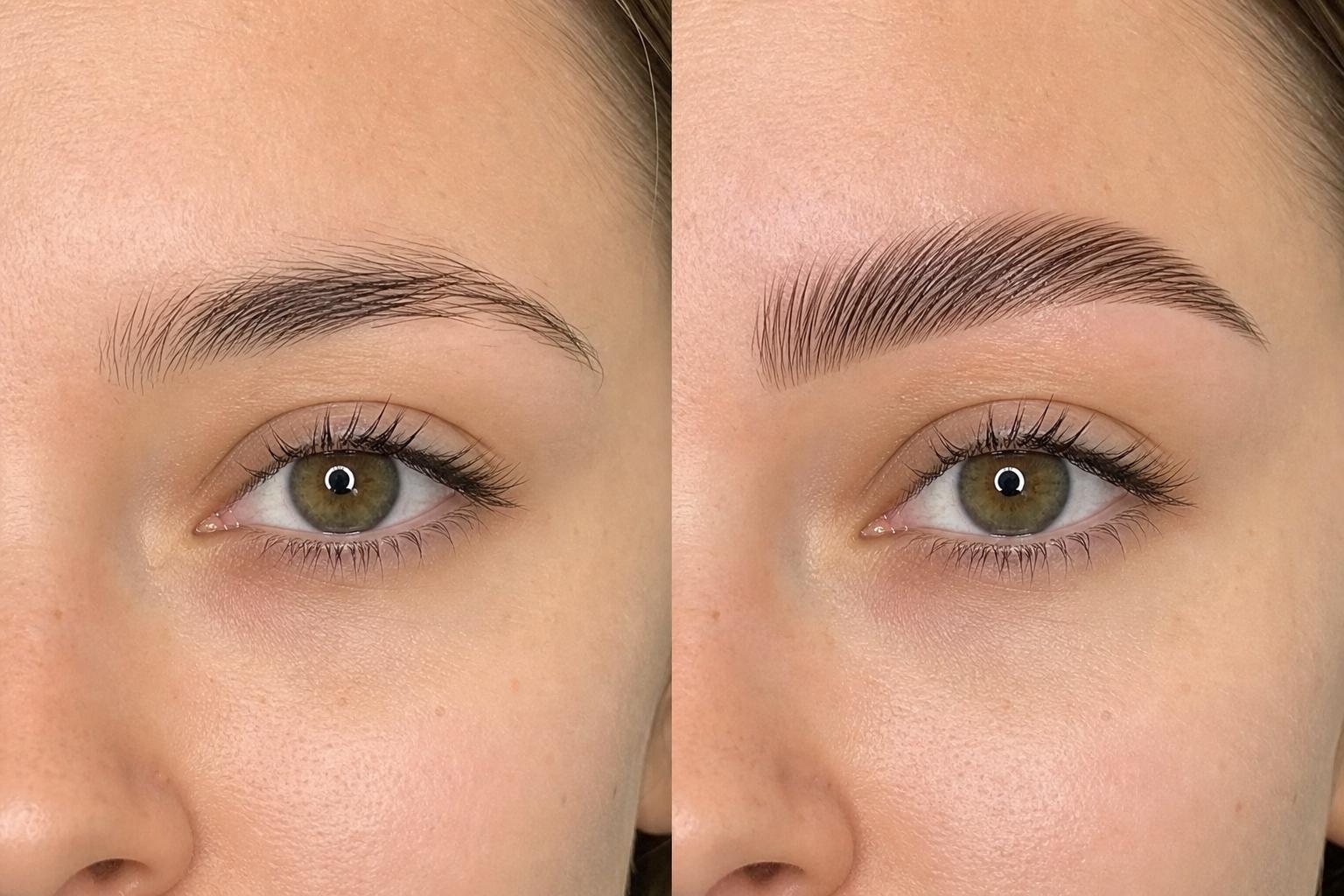
If you’ve ever brushed your eyebrows up and wished they would just stay there—full, lifted, and tidy—brow lamination is the service people keep raving about. It’s everywhere from Vancouver studios to small-town Saskatchewan salons, and for good reason: a well-executed brow lamination can transform unruly or flat brows into a clean, feathered shape that holds for weeks. This guide unpacks exactly how it works, what it costs across Canada, how to choose a trustworthy pro, and how to look after your laminated brows so they stay healthy and flattering.
We’ll walk through the chemistry (in plain English), who it suits and who should skip it, safety and public health rules Canadian salons follow, and all those practical details real clients want to know—processing times, aftercare, life with laminated brows at the gym or pool, and whether you should try a DIY kit at home. Want alternatives to brow lamination or a softer approach? Those are here too, with clear pros and cons. By the end, you’ll be able to book (or avoid) with confidence.
What Is Brow Lamination, Really?
Brow lamination, sometimes called a brow lift or brow perm, is a cosmetic service that relaxes the internal bonds of eyebrow hair so a specialist can reshape the direction—usually brushed up and slightly to the side—before “setting” the hair in its new position. Think of it as a semi-permanent styling treatment for your eyebrows. The result is often fuller-looking, fluffier brows with better symmetry and fewer mid-day flyaways.
Despite the “perm” nickname, there’s no curling involved. Laminated brows are usually lifted and smoothed. The process uses a two-step lotion system: the first softens the hair’s structure, the second reforms it in the new shape. Many salons add tinting or hybrid dye to enhance colour and fill light gaps, and they’ll finish with a conditioning serum or balm.
Unlike microblading, brow lamination doesn’t tattoo or add pigment strokes to the skin. It only affects the hairs you already have. If your brows are extremely sparse, the lift can improve alignment and tame wiry strands, but it won’t magically create density where hair doesn’t exist. In that case, tinting, a targeted growth serum, or a semi-permanent makeup option might give better value.
How Brow Lamination Works (The Gentle Science)
Human hair gets its strength and shape from bonds inside the hair shaft. To reposition the hair, a lamination lotion temporarily loosens some of those bonds—commonly disulfide bonds—so the strands can be combed and smoothed where you want them. Then a neutralizer reforms the bonds in that new position, locking in your shape for several weeks.
Many professional solutions use ammonium thioglycolate or cysteamine as the active agents in step one. Step two is an oxidizing lotion that reforms the internal structure. If that sounds clinical, don’t stress. A trained brow artist times each step to suit your hair type, thickness, and sensitivity, usually between 5 and 10 minutes per lotion, sometimes a touch longer for very coarse or curly brows. Overprocessing is the big risk—it can cause frizz, dryness, or even breakage—so timing and product choice matter.
To help hairs adhere while they’re being shaped, some pros use a light brow-safe adhesive. Others skip adhesive on sensitive skin and rely on cling film and a careful brush-through. If you’ve had reactions to lash glue or adhesives before, flag it during your consultation so your artist can adapt the technique.
Is Brow Lamination Right for You?
Brow lamination suits a range of brow types—flat, downward-pointing, curly, slightly sparse, or unruly. It’s especially flattering if:
- You love “soap brows” but want the look to last beyond a gel’s daytime hold.
- Your brow hairs droop or curl in different directions, making filling and shaping a daily chore.
- Your brows are medium to full, but patchy, and you’d like them to look more even without microblading.
You might skip or delay brow lamination if:
- You have active eczema, psoriasis, contact dermatitis, cuts, sunburn, or open acne around the brows.
- You’ve recently had brow microblading, a chemical peel, microneedling, or laser on the forehead (give it at least 2–6 weeks, depending on the procedure and your provider’s advice).
- You’re very allergic or sensitive to hair-processing ingredients like thioglycolates, or to PPD in tints.
- Your brow hair is extremely thin, fragile, or breaking; lamination might worsen that without a strengthening plan first.
Pregnancy and breastfeeding deserve a special note. There isn’t robust safety data specific to brow lamination chemicals in these contexts. Many Canadian salons take a cautious approach: they’ll either decline or only proceed after a patch test and informed consent. If you’re pregnant or nursing and considering a brow lift, chat with your healthcare provider first and choose a conservative artist.
What to Expect at a Canadian Salon
Consultation and Prep
Appointments start with a quick chat about your brow goals. Bring a photo or two of laminated brows you like. Your artist will assess your natural density, growth direction, and cowlicks. They’ll also ask about your skin history, recent procedures, and any known allergies. A patch test 24–48 hours before the full service is recommended, especially if you’re new to brow lamination or tinting. It isn’t a guarantee against reactions, but it’s a helpful screen.
On the day, your artist will cleanse your brows to remove skincare, sunscreen, oil, and makeup. Some apply a light barrier cream on the surrounding skin to reduce irritation. You’ll lie back on a sanitized bed or chair; public health rules require fresh linens or barriers between clients and proper disinfection of tools and surfaces.
The Chemical Steps: Lift, Set, Nourish
Step one: the lifting lotion softens the hair’s internal structure. The artist brushes brows into place—upwards for lift, then a gentle taper toward the tail—using a spoolie, “Y-comb,” or fine brush. For curly or coarse brows, they may apply thin cling film to keep everything snug while the product processes. Processing time is tailored; thick hair usually needs longer than fine hair.
Step two: the neutralizer reforms the bonds to hold your new shape. After the set is complete, your artist removes the product thoroughly and applies a conditioning serum or keratin-rich treatment to replenish moisture. If you opt for brow tint or hybrid dye, it’s usually done after neutralizing. Many stylists keep tint exposure short—just a few minutes—because laminated hairs absorb pigment quickly.
Most appointments take 45–75 minutes, depending on add-ons and the pace your hair requires. There shouldn’t be pain. A mild tingle or warmth can be normal; stinging or burning is not—speak up right away if you feel discomfort.
Optional Add-Ons: Tinting, Hybrid Dyes, and Shaping
Brow tint deposits colour on the hairs and can subtly stain the skin for a day or two, adding a filled-in effect. Hybrid dyes and brow stains often last longer on the skin than traditional tints. If you’re sensitive to PPD (p-phenylenediamine) or dyes, let your artist know—some brands offer PPD-free or vegetable-based options, though “henna brows” may still cause reactions in some people.
Shaping—waxing, threading, or tweezing—refines the outline. Many artists prefer to tweeze after lamination to avoid waxing very fresh skin. If waxing is used, it’s typically gentle and away from the immediate brow line to avoid removing laminated hairs by accident.
What It Feels Like and Immediate Results
When you sit up, expect brows that look lifted, smoother, and more symmetrical. On day one, they can appear extra upright and glossy. After the first wash and brush-through, they settle into a more natural “fluffy brow” look. If the laminated shape seems too bold at first glance, give it 24–48 hours; the finish usually softens.
Safety, Allergies, and Canadian Rules You Should Know
Safe brow lamination blends skilled technique, appropriate products, and clean practices. In Canada, cosmetics (including brow lamination solutions and tints) are regulated under the Food and Drugs Act and Cosmetic Regulations, which require manufacturer notification to Health Canada and proper labelling. Salons must also follow provincial public health standards for personal services.
Ingredients to Know
Common actives in brow lamination include:
- Ammonium thioglycolate or thioglycolic acid derivatives (break down bonds during the “lift” step)
- Cysteamine (an alternative reducer used in some gentler formulas)
- Hydrogen peroxide or sodium bromate alternatives in the neutralizer (to reform bonds)
- Conditioners like panthenol, hydrolyzed keratin, or plant oils
For tinting, oxidative dyes may include PPD or related ingredients; hybrid dyes and henna-based systems vary. Always disclose known sensitivities. If you’ve had reactions to hair dye, lash lift solutions, or adhesives, ask your artist to adjust products or skip tinting.
Patch Testing and Why It Matters
A patch test places a tiny amount of the product behind your ear or on the inner arm 24–48 hours before your appointment. If redness, swelling, or itching develops, tell your artist. Patch testing isn’t perfect—skin on the brows may react differently, and some reactions are delayed—but it reduces risk. Many Canadian salons won’t tint without a patch test for new clients.
Public Health and Sanitation: The Canadian Context
Personal service settings (PSS)—salons, spas, and brow studios—operate under provincial public health oversight. While exact rules vary, the themes are consistent: prevent infections, disinfect properly, keep client records, and use safe, labelled products.
- Ontario: Personal Service Settings are governed under the Health Protection and Promotion Act; O. Reg. 136/18 outlines operator duties including cleaning, disinfection, and record-keeping. Municipal public health units (e.g., Toronto Public Health) inspect salons and publish guidance.
- British Columbia: The Guidelines for Personal Service Establishments set hygiene standards, tool disinfection, and layout recommendations. Local health authorities can inspect and advise.
- Alberta: Personal services fall under the Public Health Act with guidelines for safe practices in salons and spas. Regional health inspectors enforce sanitation and infection prevention standards.
- Elsewhere in Canada: Similar public health guidance exists in each province and territory; salons typically follow local health unit recommendations and must use approved disinfectants.
As a client, look for simple signals: fresh spoolies and disposable applicators, tools soaking in disinfectant, wipe-downs between clients, sealed products with clear labels, and hand hygiene. In Canada, hard-surface disinfectants carry a Drug Identification Number (DIN) issued by Health Canada—pros should have these on-site. Don’t be shy to ask what they use.
Special Populations and Medical Notes
If you’re on prescription retinoids or using exfoliating acids (AHAs/BHAs) around the brow area, pause them for a few days before and after brow lamination to reduce skin irritation. Post-laser or microneedling clients should wait until the skin barrier is fully recovered. For eczema or seborrheic dermatitis in the brow area, a dermatologist’s guidance can help you time services and choose gentler formulas.
Contact with eyes must be avoided. If product enters the eye, immediate rinsing with clean water for several minutes is essential. Seek medical attention if irritation persists.
Brow Lamination Aftercare and Maintenance
The First 24–48 Hours
The first two days set the tone for your results. Follow these steps faithfully:
- Keep brows dry—no showers directly on the face, swimming, or sweating heavily.
- Avoid steam rooms, saunas, and hot yoga.
- Skip brow makeup, creams, and oils on the area.
- Sleep on your back if you can; pressing brows into a pillow can kink the shape while the bonds fully stabilize.
After 24–48 hours (follow your artist’s instructions), you can wash the area gently. Use a mild, non-stripping cleanser and pat dry. Brush brows into place while they’re slightly damp to reinforce the set.
Your Daily Routine
A good routine keeps laminated brows soft, shaped, and healthy:
- Morning: Lightly brush brows up and outward with a clean spoolie. If needed, apply a clear gel or nourishing balm sparingly for extra hold.
- Night: After cleansing, dab a conditioning serum—something with panthenol, peptides, or light oils—through the hairs. Avoid heavy occlusives that weigh them down.
- Sun: Use facial sunscreen daily. UV exposure dries hair and fades tint faster.
Products to Avoid (or Use Carefully)
- Strong exfoliants (retinoids, AHAs, BHAs) directly over the brow skin for a couple of days post-service. Resume gradually if you tolerate them well.
- Harsh waterproof brow gels that require aggressive removal; friction can prematurely relax the set.
- High-alcohol hairsprays near the face; they can dry hair and irritate skin.
Troubleshooting Common Issues
- Uneven lift or a kink: Often fixable with a quick “mini” reset from your artist if caught early. Don’t try to re-laminate at home within the same growth cycle.
- Dry or crispy feel: Increase conditioner use and switch to a more hydrating cleanser. If it persists, give your brows a full cycle off before the next appointment.
- Overly bold lift: It usually softens after the first wash. Brush more horizontally to relax the look.
- Skin redness: Cool compresses help. If irritation is significant, contact your salon and consider a pharmacist’s advice. For severe reactions, seek medical care.
How Long Brow Lamination Lasts (And When to Redo It)
Expect 4–8 weeks of styled brows, varying by your hair’s texture, skin type, and routine. Oily skin, swimming, frequent sauna use, and harsh cleansers shorten longevity. On average, many Canadians rebook every 6–8 weeks—often in sync with their hair growth cycle. Going sooner than 4 weeks isn’t recommended; you risk overprocessing hair that hasn’t recovered.
If your goal is fuller-looking brows over time, pair lamination with a well-tolerated brow serum. Many people notice improved density and strength after 8–12 weeks of consistent use. If you have a skin condition or are prone to irritation, ask your dermatologist which ingredients are best for you.
How Much Does Brow Lamination Cost in Canada?
Prices vary by city, studio reputation, product brands, and whether tint or shaping is included. As a ballpark:
- Basic brow lamination: roughly $60–$120 CAD
- Lamination with tint and shaping: roughly $90–$160 CAD
- Premium locations or senior artists in major cities: up to $180+ CAD for full packages
Training and experience matter—many artists invest in advanced courses and use higher-cost, gentle formulas. Always compare what’s included: some listings look cheaper but don’t include tint, shaping, or aftercare balm.
Typical Price Ranges by City
| City | Basic Lamination | Lamination + Tint/Shaping | Notes |
|---|---|---|---|
| Toronto | $80–$120 | $110–$170 | High demand; many boutique brow bars |
| Vancouver | $80–$120 | $110–$170 | Premium pricing in downtown cores |
| Calgary | $70–$110 | $100–$150 | Competitive packages with tint |
| Montreal | $70–$110 | $100–$150 | Hybrid dyes popular; bilingual consultations common |
| Halifax | $65–$100 | $95–$140 | Smaller studios; check add-ons |
| Winnipeg | $65–$100 | $95–$140 | Strong indie salon scene |
Taxes apply. In most provinces, beauty services are subject to GST/HST. Tipping customs vary, but many clients tip 15–20% for personal services, especially with senior artists or exceptional results.
What Affects the Price?
- Artist experience and training
- Time required for your hair type
- Products used (gentler formulas often cost more)
- Whether brow tint, hybrid dye, or shaping is included
- Location overhead (downtown vs suburban studios)
Salon vs At-Home Brow Lamination
At-home brow lamination kits have surged in Canada. They’re tempting—convenient and cheaper per use. The trade-off is risk. Technique and timing are crucial to avoid overprocessing or skin burns. Many at-home kits use similar actives but may offer weaker strengths to improve safety. Even then, mishaps happen, especially on coarse hair where people are tempted to extend processing times.
Pros and Cons
| Option | Pros | Cons |
|---|---|---|
| Salon Brow Lamination | Custom timing; safer technique; professional products; add-ons like tinting; better results on tricky brows; sanitation | Higher cost; requires booking |
| At-Home Kit | Budget-friendly; convenient timing; multiple uses per kit | Risk of overprocessing; patchy results; potential irritation; no pro sanitation; difficult on coarse/curly hairs |
If You Try a DIY Kit, Be Cautious
- Purchase from reputable Canadian retailers. Check for clear ingredient lists and instructions in English or French.
- Patch test the lift, neutralizer, and adhesive (if included) 48 hours prior.
- Use precise timing—start short, never exceed the manufacturer’s maximum.
- Never use lash lift-strength products on brows without guidance; the skin around brows can be more sensitive.
- Avoid contact with eyes and eyelids. Keep saline and clean water handy to rinse if needed.
- Check Health Canada’s advisories or recalls if you see safety warnings online about a particular brand.
If your skin stings or burns, remove the product immediately with cool water and a gentle cleanser. Do not reapply. Seek medical advice if symptoms persist.
Alternatives to Brow Lamination
Brow Tinting and Hybrid Dye
For people who like their natural brow direction but want more definition, a simple brow tint is often enough. It deepens hair colour and adds contrast. Hybrid dyes can stain the skin beneath for a stronger “filled” appearance that lasts a few days to a week on skin and several weeks on hair. This is a solid option if laminated brows feel too bold.
Microblading or Nano Brows
Microblading creates hair-like strokes with semi-permanent pigment, great for sparse areas where lamination won’t help. Nano brows use a machine to implant ultra-fine strokes, often with more control on oily skin. These procedures cost significantly more upfront and require downtime and aftercare. They also follow stricter public health rules due to skin penetration—look for licensed artists with impeccable sanitation.
Soap Brows, Gels, and Waxes
Daily styling with a clear gel or “soap brows” gives a laminated vibe without chemicals. The catch: the hold fades by evening, and some soaps can be drying or flaky. If you can spare 2–3 minutes in the morning, this is the lowest-risk route.
Growth Serums and Grooming
Patience pays off. A good growth serum can improve density and resilience over several months. Combine with regular trims (tiny ones) and strategic tweezing to nudge your shape toward your goal. If you’re prone to irritation, ask a pharmacist or dermatologist to help you pick a formula with gentle prostaglandin analogues or peptide-based options.
Choosing a Brow Artist in Canada
Credentials and Compliance
Unlike tattooing, brow lamination is a non-invasive cosmetic service and not always governed by a formal licensing system. That said, strong indicators of professionalism include:
- Certificates from reputable brow lamination and brow design courses
- Clear understanding of provincial public health requirements and inspection records on request
- Use of Health Canada-compliant products (proper labels; safety data sheets available)
- Professional insurance coverage
Questions to Ask at Consultation
- Which lamination system do you use, and how do you adjust timing for my hair type?
- Do you perform a patch test for first-time clients?
- What disinfectants do you use, and are they DIN-registered?
- What aftercare do you recommend, and what’s your policy if I have a reaction?
- Can I see before-and-after photos of clients with brows like mine?
Red Flags
- Reluctance to discuss ingredients or aftercare
- No patch testing option for tinting, especially for new clients
- Reused spoolies or visibly dirty tools
- Promises of “damage-proof” or “risk-free” results—no chemical service is risk-free
Special Considerations and Pro Tips
Curly, Coarse, or Wiry Brows
These often need a touch more processing time—but with caution. Skilled artists may use gentle heat (under cling film), or they’ll perform a two-pass approach at shorter intervals. The goal is softening without frizz. Expect a slightly sleeker finish rather than a dramatic “straight up” lift; it reads refined and lasts longer on robust hairs.
Grey or Stubborn Hairs
Grey hairs can be glassy and resistant. A lamination can smooth them, but tint is typically needed for uniform colour. Keep exposure times conservative to avoid over-softening. If a few wiry hairs refuse to lie flat, your artist can trim microscopically after lamination to keep the line clean without blunt ends.
Men’s Brow Lamination
Men often want tidier brows that still look natural. A light lamination with subtle horizontal direction (not straight up) cleans bulk without a “styled” finish. Many barbershops in Canadian cities now offer brow lamination as an add-on—ask about experience with men’s brows and request a softer lift.
Active Lifestyles: Gym, Pool, and Ski Season
After the initial 24–48 hours, sweating and swimming are fine but may shorten longevity. Rinse chlorine or salt water off your face promptly, pat dry, and re-brush. In winter, cold winds plus indoor heating can dry brows; step up your nightly conditioning. During ski trips, SPF on the forehead and brows (worked into the hair lightly) helps protect colour and moisture.
Makeup Artist Tip
If you wear brow pencil or powder, apply it after brushing your laminated brows into place, using feathery strokes only where needed. Skip heavy pomades; a clear gel or wax with flexible hold layers better over laminated hair.
Environmental and Ethical Choices
If cruelty-free or vegan products matter to you, ask your salon which lines they carry. “Vegan” typically refers to no animal-derived ingredients; “cruelty-free” generally means not tested on animals. In Canada, these claims aren’t officially standardized by Health Canada, so third-party certifications (e.g., Leaping Bunny) add credibility. Product performance and gentleness still come first—ask your artist how they balance ethics with efficacy for your brow type.
Proper disposal of chemicals and single-use tools should follow local waste guidelines. Studios that prioritize sustainability may use biodegradable spoolies and minimize plastic where they can without compromising sanitation.
Step-by-Step: A Typical Appointment in Toronto
You arrive at a Queen West brow studio for your first eyebrow lamination. Your artist reviews a short intake form and confirms you had no reaction to the patch test. You show a photo of soft, fluffy brows—lifted but not spiky. She examines your brows: medium density, a small cowlick at the front, and a few stubborn greys.
After cleansing and a quick barrier application around the brow edges, she applies the lifting lotion, working in small sections. The hairs are combed up and slightly out toward the tail, then covered with thin cling film. She checks at the five-minute mark and decides on two more minutes for the coarser middle section. No tingling beyond mild warmth.
The product is removed completely, and the setting lotion goes on. Another few minutes under cling film, then everything is wiped clean. She performs a short tint to blend those greys—just two minutes, because laminated hair drinks up colour faster. After cleaning the area, she tweezes a few strays under the arch.
She brushes your brows and shows you the mirror: lifted fronts, a tidy midsection, a soft tail. Glossy but not wet-looking. She applies a light conditioning balm and hands you a clean spoolie plus a printed aftercare card: keep dry for 24 hours, brush daily, moisturize nightly. The whole visit takes about an hour. You rebook in seven weeks.
Frequently Asked Questions
How long does brow lamination last?
Most people see 4–8 weeks of lifted, tidy brows. Your hair texture, skincare routine, and lifestyle (e.g., swimming, hot yoga) affect longevity. Rebook around 6–8 weeks for best results without overprocessing.
Is brow lamination safe?
When done by a trained professional following Canadian public health standards and using compliant products, brow lamination is generally safe. Risks include irritation, dryness, or breakage if overprocessed. Patch testing and honest consultations reduce risk.
Can laminated brows be tinted?
Yes, tint or hybrid dye is commonly added after the neutralizer step. Because laminated hairs absorb pigment quickly, timing is short. If you’ve reacted to hair dyes before, patch test and discuss ingredient options with your artist.
Will brow lamination damage my brows?
It can if timing is too long or if services are done too frequently. Choose an experienced artist, stick to recommended intervals (usually 6–8 weeks), and use a nightly conditioner to keep hair supple.
What’s the difference between brow lamination and microblading?
Lamination reshapes existing hairs; microblading adds pigment strokes to the skin to imitate hair. Lamination is non-invasive and temporary; microblading is semi-permanent and involves needles and more stringent aftercare.
Is brow lamination okay during pregnancy or breastfeeding?
Data is limited. Many Canadian salons proceed cautiously or avoid it entirely for pregnant or nursing clients. If considering it, consult your healthcare provider, request a patch test, and weigh a minimal-tint, gentle approach—or postpone until later.
How should I sleep after brow lamination?
For the first 24–48 hours, try to sleep on your back so the brows don’t press into the pillow. After that, it’s less critical, but brushing them into place each morning helps maintain the set.
Can I work out or swim after getting laminated brows?
Avoid sweating and water for 24–48 hours. After that, normal activity is fine. Rinse chlorine and salt promptly, pat dry, and brush brows back into position.
How soon can I have another lamination?
Wait at least 6 weeks, preferably 8. Reprocessing too soon can cause dryness, frizz, or breakage, especially on fine hair.
What if my brows are very sparse—should I still get a brow lift?
It depends. If you have some hair to redirect, lamination can help. If the area is very sparse, tinting or hybrid dye plus a growth serum—or semi-permanent makeup like microblading—may provide a better return on your investment.
Are there Canadian regulations for brow lamination?
Cosmetic products are regulated federally by Health Canada for labelling and notification. Salons operate under provincial public health frameworks for personal services. For example, Ontario’s Personal Service Settings regulation outlines sanitation, disinfection, and record-keeping requirements. Always choose a studio that follows local health guidance and uses DIN-registered disinfectants on surfaces and tools.
Do I need a patch test?
It’s strongly recommended, especially for first-timers or anyone adding tint. Patch tests can’t guarantee no reaction, but they lower the risk and help choose the right products for you.
Can men get brow lamination?
Absolutely. Many men prefer a subtle, horizontal set that reduces bulk without a styled look. Communicate that you want a natural finish and ask for conservative timing.
What’s the best city in Canada for brow lamination?
You can find excellent artists in every major city—Toronto, Vancouver, Calgary, and Montreal have robust brow scenes. Focus less on the city and more on experience, reviews, hygiene standards, and before-and-afters of clients with brows like yours.
Can I laminate my brows at home?
It’s possible with a kit, but results vary and risk is higher. If you try, patch test, time precisely, avoid the eye area, and stop at any sign of irritation. Most people get better, safer results with a professional—especially if their brows are coarse, curly, or sensitive.
Final Takeaway
Brow lamination offers an elegant shortcut to the fluffy, well-groomed brow look that survives busy Canadian mornings, gym sessions, and long winters. When done thoughtfully—with a good consultation, proper sanitation, and gentle aftercare—it can be both striking and low-maintenance. Weigh the benefits against your skin history and lifestyle, choose a skilled artist who follows local public health standards, and don’t be afraid to keep it subtle on your first go. Brows are personal; the best lamination respects your face, your routine, and your comfort.