
Area Code 236: A Complete Guide to British Columbia’s Province‑Wide Number (History, Coverage, Dialing, Costs, and Smart Tips)
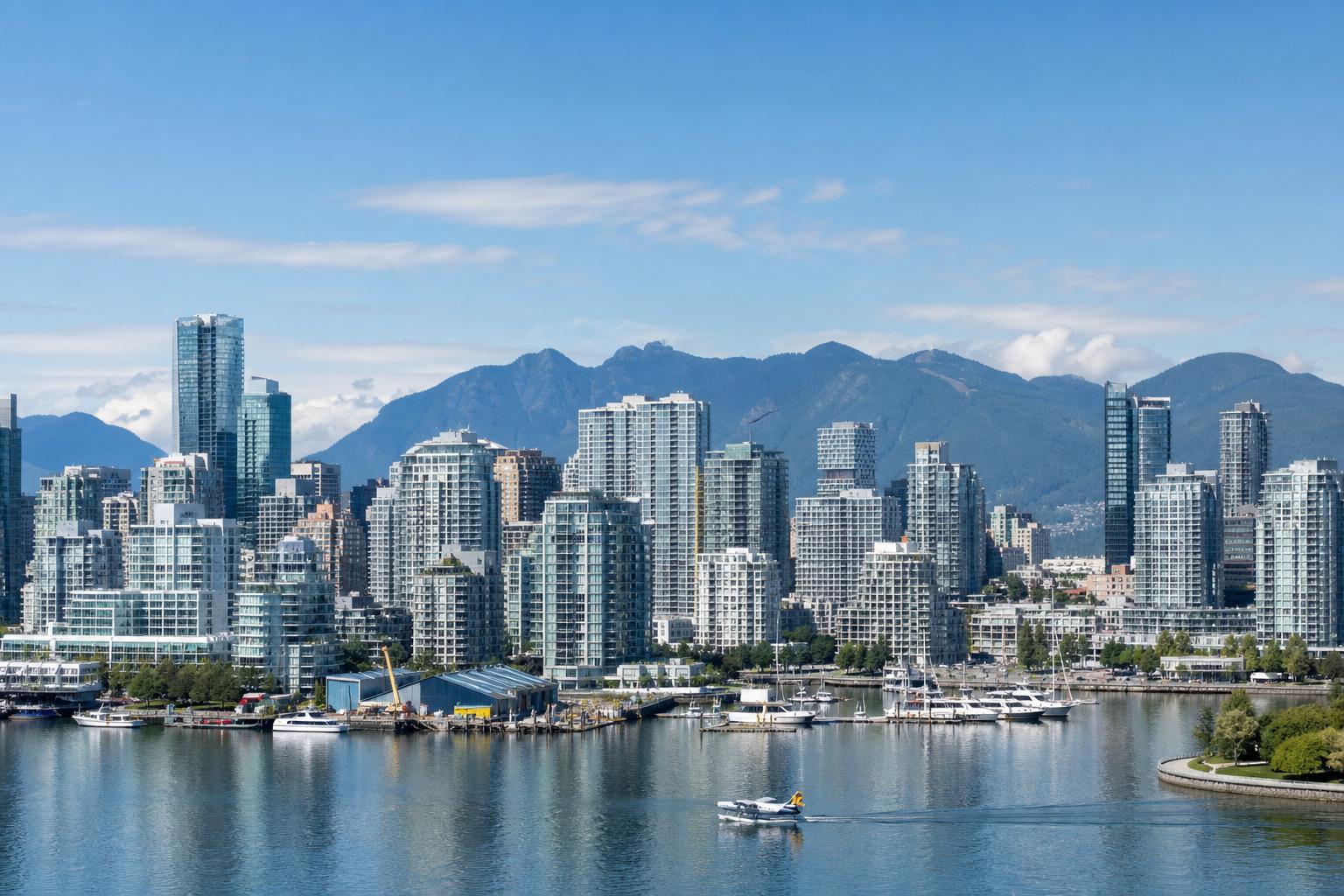
If you live in British Columbia, chances are you’ve seen a 236 number flash across your screen—maybe on a friend’s new cell, a Kelowna winery’s reservation line, or a mystery caller pretending to be the Canada Revenue Agency. But what exactly is area code 236? Where is it used, how do you dial it, and why does it matter for residents, newcomers, and businesses in B.C. today?
This guide unpacks everything in plain language. You’ll learn how area code 236 fits into B.C.’s numbering system, which cities and regions use it (short answer: all of them), what ten‑digit dialing means for you, how to get a 236 number, what it costs, how to avoid scams, and how to stay onside with Canadian rules like the CRTC’s anti‑spam and caller ID standards. You’ll also see practical, real‑life scenarios so the details stick.
What Is Area Code 236?
Area code 236 is a British Columbia area code within the North American Numbering Plan (NANP). It’s an “overlay” code—meaning it doesn’t replace anything and it isn’t tied to one city. Instead, it sits on top of B.C.’s existing area codes, giving carriers more numbers to hand out province‑wide.
British Columbia now uses five interchangeable area codes: 604, 250, 778, 236, and 672. If you’re assigned a 236 phone number, you could be in Vancouver, Victoria, Nanaimo, Prince George, the Okanagan, the Kootenays, the North Coast—anywhere in the province. In other words: 236 is British Columbia‑wide.
Is 236 toll‑free? No. Like 604, 250, 778, and 672, area code 236 is a standard geographic code. Toll‑free numbers use 800, 833, 844, 855, 866, 877, and 888 in Canada. If it starts with 236, normal calling rules apply based on your plan and the call’s local/long‑distance status (more on that soon).
Where Area Code 236 Is Used
Everywhere in B.C. That includes the Lower Mainland and Fraser Valley (Vancouver, Surrey, Burnaby, Richmond, Coquitlam, Langley, Abbotsford, Chilliwack), Vancouver Island (Victoria, Nanaimo, Courtenay, Campbell River), the Sunshine Coast, the Okanagan (Kelowna, Penticton, Vernon), the Interior (Kamloops, Williams Lake), the North (Prince George, Fort St. John, Prince Rupert, Terrace, Kitimat), the Kootenays (Cranbrook, Nelson, Trail), and remote communities scattered along B.C.’s vast coast and mountain ranges.
Because 236 numbers can be assigned anywhere in the province, the area code alone doesn’t reveal a caller’s exact location. You can sometimes infer the city from the prefix (the first three digits after the area code, known as the central office or “exchange”), but with mobile phones and voice‑over‑IP (VoIP) services, even that can be misleading. Bottom line: never assume a 236 number is “from Vancouver” or “from my hometown.” It might be, or it might not.
Time Zones and 236: One Province, Multiple Clocks
Most of B.C. follows Pacific Time (PT), switching between Pacific Standard Time (UTC−8) in winter and Pacific Daylight Time (UTC−7) in summer. But some areas near the Alberta border and in the northeast follow Mountain Time or stay on Mountain Standard Time all year. Communities such as Dawson Creek, Fort St. John, and Creston have been known to keep MST year‑round, which means their clocks may not align with Vancouver’s. If you’re scheduling across 236 numbers, double‑check time zones—especially for calls with folks in the Peace region or the East Kootenay.
How 236 Fits the History of B.C. Area Codes
To understand why 236 exists, you need a quick tour through B.C.’s numbering history. The story starts with 604. It was one of the original area codes assigned in 1947 and it covered the entire province for decades. As B.C.’s population climbed and phones multiplied (landlines, then faxes, pagers, and mobile phones), 604 started running out of numbers. In 1996, 250 was created to serve most of the province outside the Lower Mainland, which helped—for a while.
Next came 778. It launched in 2001 as an overlay for the Lower Mainland. Carriers soon realized demand for numbers wasn’t easing elsewhere, so in 2007, 778 expanded to cover all of B.C., creating a full‑province overlay. That change made ten‑digit dialing necessary across the province: area code + number, even for local calls.
Enter area code 236 in 2013. It arrived as another province‑wide overlay to keep up with growth and the explosion of mobile and data‑driven services that require numbers. Finally, 672 followed as an additional overlay in 2019. Today, those five codes—604, 250, 778, 236, and 672—work side by side across British Columbia.
Why Overlays Instead of More Splits?
Splitting a province or region again and again is disruptive. If you’ve had a number for years, the last thing you want is to be forced to change it because your neighbourhood got carved into a new area code. Overlays avoid that pain. Existing numbers stay put. New numbers—mobile and landline—simply use whichever of the overlay codes the carrier assigns next. The trade‑off is ten‑digit dialing, but most of us have adjusted. Your smartphone has too.
Dialing Rules for Area Code 236
Ten‑digit dialing is mandatory throughout B.C. and across many parts of Canada—regardless of whether you’re calling 236, 604, 250, 778, or 672. If you forget and dial seven digits on a landline, you’ll hear a recorded reminder to hang up and try again with the area code first.
How to Dial a 236 Number
- Within Canada: Dial the full ten digits. Many mobile plans are Canada‑wide, so there’s often no extra charge, but check your plan. Landline local/long‑distance rules still apply in some places.
- From the U.S. or another NANP country: Dial 1 + 236 + seven digits.
- From outside North America: Dial your international access code (often 00 or +) + 1 + 236 + seven digits. Written in international format: +1 236 xxx xxxx.
Short codes like 9‑1‑1, 8‑1‑1 (HealthLink BC), 2‑1‑1 (community services), and 3‑1‑1 (municipal services where available) work the same regardless of your area code. They’re “N11” numbers and don’t require an area code.
Local vs. Long Distance
For mobile service in Canada, most monthly plans include Canada‑wide calling and texting. That means a call from a Vancouver mobile to a Prince George 236 number is treated the same as a call to a neighbour. For legacy landlines, local calling is still defined by rate centres and exchanges. So a 236 call might be local or long‑distance depending on your specific line and plan. If you’re unsure, check with your phone company before calling a new number frequently.
Who Issues 236 Numbers (and How Many Are There)?
Canada participates in the North American Numbering Plan, coordinated across 20+ countries/territories that share country code +1. The Canadian Radio‑television and Telecommunications Commission (CRTC) oversees numbering policy in Canada. Day‑to‑day administration lives with the Canadian Numbering Administrator (CNA), which assigns number blocks to carriers, who then assign individual numbers to customers.
How big is 236? Each area code theoretically supports hundreds of central office codes (the three digits after the area code) and each of those supports 10,000 numbers. After excluding reserved codes (such as N11) and a few special cases, the practical upper bound sits around 7.9 million assignable numbers per area code. In reality, the usable pool is smaller due to allocation practices and how blocks get distributed to carriers across B.C.’s many communities. Still, there’s a lot of room. That’s precisely why overlays like 236 were introduced—to expand the pool without forcing anyone to change their number.
Area Code 236 vs. Other B.C. Area Codes
You’ll bump into 604, 250, 778, and 672 across B.C. alongside 236. They’re interchangeable in terms of coverage. People in Greater Vancouver often still associate 604 with the “classic Vancouver” feel, and that perception can influence which area code businesses prefer to display. But practically speaking, a 236 number reaches the same customers and dials the same way.
| Area Code | Type | Introduced | Coverage | Notes |
|---|---|---|---|---|
| 604 | Original | 1947 | Province‑wide historically; now overlays in B.C. | Oldest B.C. code; still common in the Lower Mainland |
| 250 | Geographic split | 1996 | Originally outside the Lower Mainland; now overlays | Common on Vancouver Island and Interior/Coastal B.C. |
| 778 | Overlay | 2001 (Lower Mainland), expanded 2007 (province‑wide) | Province‑wide | Drove province‑wide ten‑digit dialing |
| 236 | Overlay | 2013 | Province‑wide | Assigned to both mobile and landline services |
| 672 | Overlay | 2019 | Province‑wide | Newest B.C. overlay |
How to Get a 236 Phone Number
Whether you’re a resident looking for a local line or a business planting roots in B.C., there are several straightforward ways to grab a 236 number.
Getting 236 as a Resident
When you activate a new mobile line with a Canadian carrier—TELUS, Bell, Rogers, Freedom Mobile, or a flanker brand like Koodo, Fido, or Virgin Plus—you can usually request a number in your preferred city or region. If a 604 or 250 isn’t available for your chosen exchange, you’ll often be offered 778, 236, or 672. In many B.C. markets, 236 is readily available and is commonly assigned to new accounts.
Moving to B.C. from another province? You can keep your old area code if you want. Mobile numbers are portable across Canada, and most nationwide plans don’t charge extra for receiving out‑of‑province calls. If you’d rather “look local,” ask your carrier for a fresh 236 number linked to your new city.
Getting 236 as a Business
Businesses have two main routes:
- Traditional business lines from carriers (TELUS, Bell, Rogers) or cable providers. Ask for a 236 number in the rate centre that matches your storefront or service area.
- Cloud phone/VoIP providers. These services let you pick a 236 DID (Direct Inward Dial) from a menu of cities and layer on features like call routing, IVR, voicemail‑to‑email, conferencing, SMS, and analytics. Many Canadian VoIP platforms offer B.C. numbers instantly.
If you plan to text customers using your 236 number, confirm that your provider supports business texting, short code reception, and high‑volume messaging policies. In Canada, carriers may require registration for application‑to‑person (A2P) messaging to reduce spam and improve deliverability. Your vendor should guide you through what’s required.
Porting a Number In or Out
Local number portability is well‑established in Canada. You can usually port mobile numbers between carriers in the same region within hours; wireline ports can take longer. A few practical tips:
- Keep your old service active until the port completes. Cancelling early can break the process.
- Provide exact account information to avoid rejections: account number, name, service address, and the correct account PIN/password for wireless lines.
- If you’re porting a business number tied to multiple lines or alarm systems, coordinate with your provider so nothing mission‑critical goes dark mid‑transfer.
- Consider setting call forwarding on the old line during the cutover window so you don’t miss customers.
Practical Ways to Use a 236 Number
There’s no magic to 236—it works like any other B.C. code. The value comes from how you use it.
For Individuals
If you’re new to the province, a 236 number makes you instantly local on caller ID. Landlords, employers, and community groups are more likely to pick up when they see a local area code, and friends won’t wonder why you’re calling from a 416 or 514. If you split time between Victoria and Vancouver, a 236 number stays neutral—you won’t signal one specific city the way a 604 might.
Travelling? If you head abroad, calls to your 236 mobile number route the same way as any Canadian cell—just watch your roaming. Use Wi‑Fi calling when possible, or pick up a travel eSIM. People back home won’t notice a difference; they’ll dial you as usual.
For Businesses and Non‑Profits
Area code 236 is a simple way to signal a British Columbia presence—whether you’re a Victoria tech start‑up, an Okanagan tour operator, a B.C. e‑commerce brand, or a Vancouver contractor serving the Lower Mainland. Consider using one 236 number across your marketing, then route calls to departments or on‑call staff with a cloud PBX. A few practical tweaks go a long way:
- Set business hours so after‑hours calls go to voicemail with a clear promise: “We’ll return your call by 10 a.m. Pacific.”
- Enable texting on your 236 number and publish it. Many B.C. customers—especially in Vancouver and Victoria—prefer a quick text for appointments and curbside pickups.
- Create location‑based menus: “Press 1 for Victoria, 2 for the Okanagan, 3 for Vancouver.” It feels local while keeping operations centralized.
Choosing Between 236, 604, 778, 250, and 672
If you can pick, how should you decide? In Greater Vancouver, 604 still carries a “classic local” vibe. In many other regions, 250 feels familiar. 778 and 236 sit in the middle: widely recognized and neutral across the province. 672 is the newest and least common in the wild so far. In practice, customers call whichever number you publish. If a 604 isn’t available where you need it, a clean, memorable 236 line plus good service will accomplish more than any “legacy” area code ever could.
Costs and Plans: What to Expect with a 236 Number
With mobile plans, your area code rarely affects price. Carriers price by data tiers and features; nationwide calling is usually included. A 236 number costs the same to maintain as a 604, 250, 778, or 672 on a comparable plan. For landlines, pricing depends on provider and package. VoIP business lines are commonly billed per user or per number, sometimes with a small monthly fee for the DID (your 236 number) and usage‑based or unlimited calling.
Long‑Distance and Canada‑Wide Calling
On mobile, Canada‑wide calling has become standard. If you maintain a home phone in a smaller B.C. community, double‑check local vs. long‑distance definitions. Calling from a landline in Prince George to a 236 line in Vancouver may still incur long‑distance on traditional plans. Some providers offer Canada‑wide home phone add‑ons to sidestep that.
International Calling and Roaming
For someone outside Canada, calling a 236 number is an international call to country code +1. From the U.S., it’s treated as a North American call by many plans, often included. If you are the 236 subscriber traveling abroad, incoming calls reach you normally (assuming your phone is on and reachable), but roaming charges may apply. Use Wi‑Fi calling, messaging apps, or a local eSIM to keep costs sane.
Avoiding Scams and Protecting Yourself with a 236 Number
Because 236 is local to B.C., scammers sometimes “spoof” it—faking caller ID to look like a neighbour or a nearby business. The goal is simple: get you to pick up. The CRTC has pushed carriers to implement STIR/SHAKEN, a caller ID authentication framework designed to reduce spoofing for IP‑based calls. It helps, but it isn’t a magic shield. You still need to stay sharp.
Common Scam Patterns Using B.C. Numbers
- “CRA” or “border services” threats demanding immediate payment. The real Canada Revenue Agency does not threaten arrest or demand gift cards, cryptocurrency, or prepaid vouchers.
- Delivery scams claiming a package fee with a suspicious link. Check the tracking number on the carrier’s official site instead of clicking texts.
- “Bank fraud department” asking for your one‑time passcode. Your bank will never ask you to read back a 2FA code that it sent for login.
What to do? Let unknown numbers go to voicemail. Call back using published numbers on official websites, not the number that called or texted you. Report persistent spam or fraud attempts to the Canadian Anti‑Fraud Centre. If you’re on the National Do Not Call List (DNCL) and receive telemarketing that seems non‑compliant, you can report it to the CRTC. And enable your carrier’s call‑filtering tools; most major providers offer free or low‑cost spam screening.
Business Owners: Stay on the Right Side of CASL
Canada’s Anti‑Spam Legislation (CASL) applies to commercial electronic messages—email and many forms of SMS/MMS. If you text customers from a 236 number, you need proper consent, clear identification, and an easy unsubscribe mechanism. Even reminders and promotions sent by text may be covered. Your local marketing might be small, but the law still applies.
Dialing Details and Number Mechanics (For the Curious)
Area code 236 follows standard NANP formatting: NPA‑NXX‑XXXX, e.g., 236‑555‑0123. The first digit of the central office code (the N in NXX) can’t be 0 or 1, and specific N11 blocks (211, 311, 411, etc.) are reserved for special uses and aren’t assigned as standard exchanges.
Rate Centres and “Local” Calling Areas
Behind the scenes, B.C. is carved into dozens of rate centres—geographic areas used by carriers to define what’s “local.” That’s why two numbers that both begin with 236 can still be long‑distance from a landline perspective. With mobile phones and unlimited plans, the concept fades, but it still matters for legacy services and some business trunks.
Caller ID Names in Canada
Wireless caller name display (CNAM) is not universally supported in Canada the way it is in some U.S. systems. Many Canadian mobile phones show the stored contact name or whatever name the receiving network supplies, which might be generic or blank. That’s normal. If you’re a business and want your name to appear, work with your provider on branded solutions like verified business caller displays where available, and keep your Google Business Profile, website, and email signatures clear and consistent so people can confirm they’ve reached the right company.
Emergency Calling and VoIP
If you use a VoIP service with a 236 number, confirm how 9‑1‑1 works. Canadian regulations require fixed VoIP providers to route calls with location, but nomadic VoIP (used on laptops or mobile apps) may rely on your registered address or a call centre to confirm where you are before dispatching. Keep your service address up to date and make sure staff know how to place an emergency call. Also note that Canada’s 9‑8‑8 suicide crisis helpline is now live nationally; dialing 9‑8‑8 connects callers to mental health support regardless of area code.
Real‑Life Scenarios: Where 236 Shows Up
The Student in Victoria
Amara moves to Victoria for school, signs up with a flanker mobile brand, and gets a 236 number because that’s what’s available in her campus exchange. Her plan includes unlimited Canada‑wide minutes and texts, so calling friends in Vancouver or Nanaimo is the same price as calling across the street. When she applies for part‑time work, a local 236 caller ID helps her resume look rooted in B.C.
The Contractor in the Lower Mainland
Marcus starts a small renovation business in Burnaby. He wanted a 604 number, but none were available for new activations through his provider. He takes a 236 instead, then adds call routing so “Press 1 for Estimates, Press 2 for Scheduling.” He publishes texting to the same 236 line for sending photos of finishes and confirming appointment windows. Customers adapt instantly because the service is responsive.
The Winery in Kelowna
A family winery in the Okanagan uses a 236 main line on a cloud PBX. In summer, calls spike. The team sets business hours and rolls to voicemail‑to‑email after 6 p.m., so they can return bookings in the morning. They add a “Press 3 for Tastings” option and monitor missed calls daily. Their area code isn’t what wins customers—it’s how quickly they respond.
The Remote Worker in Terrace
Devon works remotely for a Toronto tech firm. He keeps his 647 mobile number for work and adds a personal 236 number through a VoIP app to feel local in Terrace. Friends and community groups call the 236 number; clients stick to 647. Two identities, one phone, no friction.
Troubleshooting: Common 236 Number Issues
“People Say My 236 Calls Look Like Spam”
Shorten your outgoing voicemail greeting and make sure it states your name and company clearly. Encourage first‑time contacts to save your number. Consider enabling branded caller solutions if your provider offers them. Keep cold‑calling to a minimum; unsolicited calls trigger blocks from spam‑filtering apps.
“Text Codes Don’t Arrive”
Some services send one‑time passwords (OTPs) from short codes or international numbers. If you’re missing codes on a new 236 line, check with your carrier to ensure short code messaging is enabled, confirm your device isn’t filtering unknown senders, and ask the app provider if they support Canadian numbers for SMS verification. As a fallback, many services offer email or authenticator apps.
“My Port Is Stuck”
Ports stall when account data doesn’t match. Verify your old account number, billing name, and service address exactly as shown on the invoice. For wireless ports, ensure your port protection or account PIN is provided to the new carrier. Keep the old SIM active and watch for a confirmation text authorizing the port—it often requires a timely reply.
“Our Old PBX Won’t Dial 10 Digits Properly”
Legacy phone systems sometimes assume seven‑digit dialing or reject newer overlays. Update your dial plan to require ten digits for domestic calls, and make sure 236 and 672 are recognized as valid B.C. area codes. Your telecom vendor can build the pattern changes in minutes.
Rules, Rights, and Canadian Realities You Should Know
The CRTC, Numbering, and Relief Planning
The CRTC sets policy on area code relief—deciding when and how to add capacity as regions run low on numbers. Canada uses overlays to minimize disruption. The CNA publishes forecasts and exhaust projections; if blocks get tight again, you’ll hear about new overlays well before anything changes on your bill.
National Do Not Call List (DNCL)
If you’re a consumer, you can add your number to the National DNCL to reduce telemarketing. If you’re a business, you must scrub your calling lists, honour internal do‑not‑call requests, and follow the rules about permitted calling times, caller identification, and exemptions. Violations can get expensive.
Spam, Spoofing, and STIR/SHAKEN
Canada has been phasing in STIR/SHAKEN for IP‑based voice networks. The aim is to make it harder to spoof arbitrary caller IDs. Not all calls can be authenticated end‑to‑end yet, and cross‑border traffic complicates things, so stay cautious. If a 236 number claims to be your bank but pressures you to act immediately, hang up and call the number on the back of your card.
Privacy, Directories, and PIPEDA
Canadian privacy law (including PIPEDA at the federal level) shapes how your data is handled. Publishing your number in directory assistance is generally opt‑in; many people choose to remain unlisted. If you operate a business line, list it deliberately—directory presence can help customers find you, but make sure the address and hours are accurate and updated.
Make 236 Work for SEO and Marketing
If your goal is to rank and convert in British Columbia, a consistent local presence matters more than the exact area code on your line. Practical steps:
- Display your 236 number prominently on your website, footer, and contact page. Use click‑to‑call links for mobile users.
- Keep your Google Business Profile consistent: same 236 number, name, address, and hours across all listings.
- Use call tracking sparingly. If you rotate numbers, make sure the main 236 stays visible and that structured data (LocalBusiness schema) reflects your primary line.
- Add texting: many Vancouverites and Victorians prefer it. Publish “Text us at 236‑xxx‑xxxx” alongside your call button.
A recognizable British Columbia area code, fast response times, and reliable service do more for conversion than chasing a specific legacy prefix.
Safety and Accessibility: Considerations That Matter
For community organizations, clinics, and public services using a 236 number, accessibility is part of trust:
- Offer alternative channels: voice, text, and email. Not everyone is comfortable with calls.
- Use clear, simple IVR menus with an option to reach a person quickly. Keep messages short and include hours and time zone.
- Publish your 236 number everywhere your audience looks: websites, transit ads, community boards, and social media.
If you serve multiple time zones within B.C., state your hours as “Pacific Time” or “Mountain Time” explicitly to avoid missed calls from places like Fort St. John and Creston.
The Future of Area Code 236 in B.C.
B.C. keeps growing—new housing in Metro Vancouver, tech in Victoria, tourism in the Okanagan, LNG and resource projects up north. Demand for numbers follows. Overlays like 236 and 672 are designed to scale without forcing number changes. If future relief is needed, the CRTC will run a public process and add another overlay rather than split the province apart again.
On the technology side, expect more authenticated caller ID, smarter spam filtering, and Next‑Generation 9‑1‑1 features that improve location accuracy and multimedia support. None of that changes how you dial a 236 number, but it should make calls safer and more reliable across British Columbia.
FAQs: Area Code 236
Is area code 236 the Vancouver area code?
It’s one of them. Vancouver uses 604, 778, 236, and 672. All four work across the city and the surrounding Metro Vancouver region. 604 is the oldest and most recognized, but 236 is just as local.
Is 236 a toll‑free area code?
No. It’s a standard geographic area code for British Columbia. Toll‑free Canadian numbers begin with 800, 833, 844, 855, 866, 877, or 888.
When did 236 start being used?
Area code 236 was introduced in 2013 as a province‑wide overlay across British Columbia. It works alongside 604, 250, 778, and 672.
Why do I have to dial ten digits for local calls?
Overlays require ten‑digit dialing so networks can tell which number you’re calling. B.C. has had province‑wide overlays for years, so ten digits is the rule even for local calls.
Can I choose a 604 instead of 236?
Sometimes, depending on availability in your desired exchange and your carrier. In many cases, you’ll be offered 778, 236, or 672 for new lines. If the exact code matters, ask before activating.
Can I keep my 236 number if I move to another province?
Yes, for mobile service. You can keep your Canadian mobile number when you move, as long as you maintain a Canadian plan. For landlines, portability is more limited and usually tied to the same local area.
How do I call a 236 number from outside Canada?
Dial your international access code, then 1, then the ten‑digit number (e.g., +1 236 xxx xxxx). From the U.S., just dial 1 + 236 + seven digits.
Are most 236 calls spam?
No. 236 is a normal B.C. area code used by millions of residents and businesses. That said, scammers sometimes spoof local numbers to trick you into answering. Let unknown numbers go to voicemail and call back via official numbers if the message sounds urgent.
Which cities use 236?
All B.C. cities and towns can use 236, including Vancouver, Victoria, Surrey, Burnaby, Richmond, Kelowna, Kamloops, Nanaimo, Prince George, Abbotsford, Chilliwack, Vernon, Penticton, Cranbrook, Nelson, Prince Rupert, Terrace, Fort St. John, and many more.
What’s the correct way to write a 236 number?
Inside Canada: 236‑xxx‑xxxx. Internationally: +1 236 xxx xxxx. In web content, make it clickable on mobile with a tel: link.
Do 236 numbers support texting?
Yes, if your provider enables SMS/MMS on your line. Most mobile and many VoIP services in Canada support texting on standard geographic numbers, including 236.
If I get a 236 number, will 9‑1‑1 work?
Yes. For mobile and traditional landlines, 9‑1‑1 works as expected. If you’re using a nomadic VoIP service, confirm how 9‑1‑1 is handled and keep your registered address up to date.
Is there any difference in call quality between 604, 778, 236, 250, and 672?
No. Quality depends on your carrier, device, and connection, not the specific B.C. area code.
How many phone numbers can 236 hold?
Roughly up to 7.9 million assignable numbers in theory. The practical number is lower due to how blocks are allocated to carriers across rate centres, but capacity is robust.
I keep getting 236 spam calls. What can I do?
Enable your carrier’s call filter, use your phone’s built‑in blocking, don’t return unknown missed calls, and report fraud to the Canadian Anti‑Fraud Centre. If it’s telemarketing and you’re on the National DNCL, you can file a complaint with the CRTC.
Final Takeaway
Area code 236 is simply British Columbia, full stop—no narrower than that. It rides alongside 604, 250, 778, and 672 across the province, fuels growth without forcing number changes, and works the same way from Gastown to the Gulf Islands to the Skeena. Use it confidently, pair it with smart dialing habits and scam awareness, and—if you’re a business—wrap it in responsive service. Customers will notice the experience, not the digits at the front.