
Belleville Weather: A Local’s Guide to Seasons, Storms, and Smart Planning on the Bay of Quinte
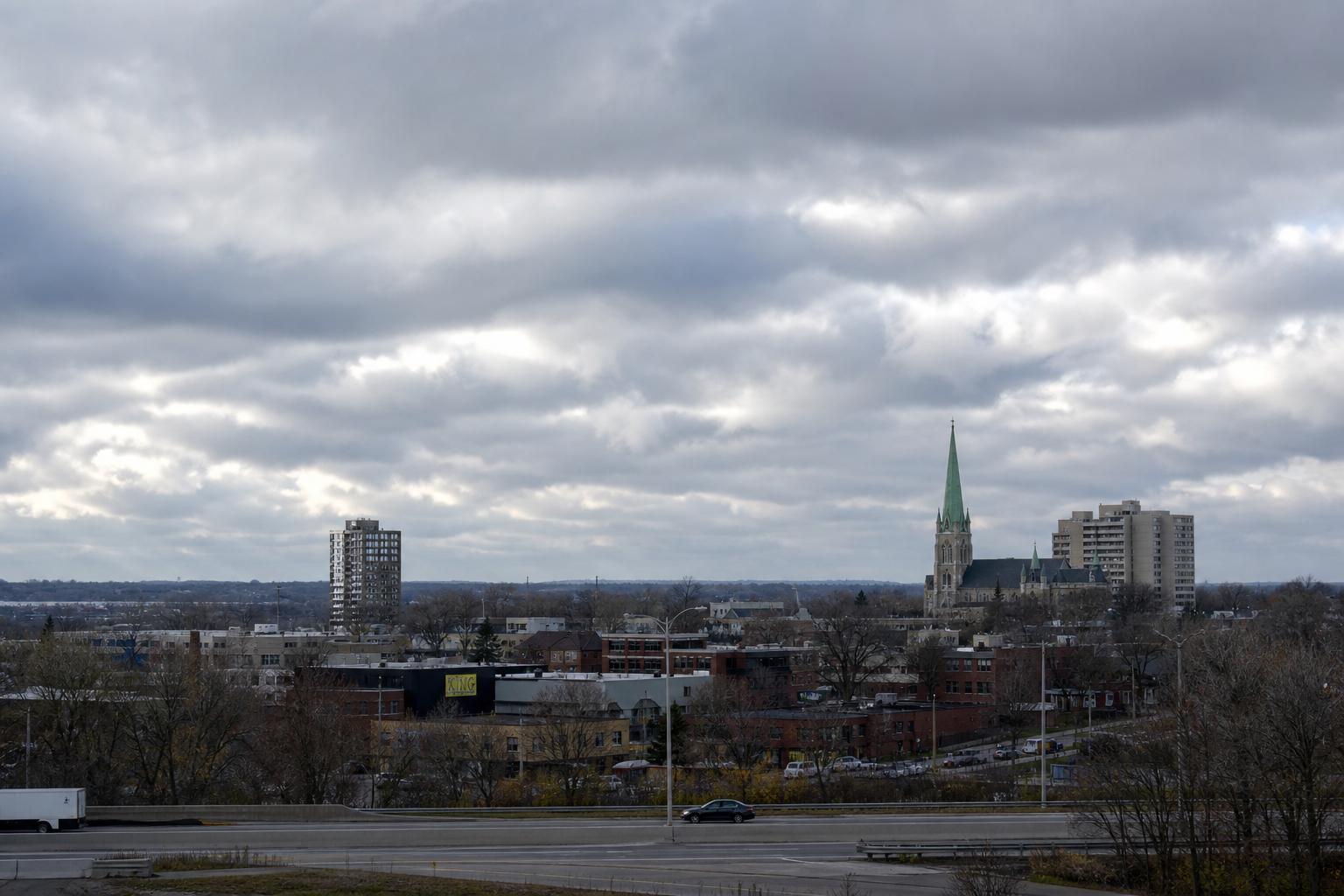
Belleville weather has a way of keeping you on your toes. One day it’s a glassy calm over the Bay of Quinte; the next you’re watching a lake-breeze front kick up whitecaps and chase clouds across the Loyalist sky. If you live in the Quinte Region or you’re planning a visit, understanding the rhythms behind weather in Belleville, Ontario can turn guesswork into good timing—whether you’re commuting on the 401, booking a July wedding, or sneaking in one last paddle before frost.
In this in-depth guide, you’ll learn how Belleville’s location on Lake Ontario shapes conditions year-round; what to expect each season and month; how to read local forecasts and choose reliable sources; and how to prepare your home, car, and plans for heat waves, snow, freezing rain, and sudden thunderstorms. We’ll keep things practical and Canadian, with tips, examples, and resources specific to Belleville, Prince Edward County, and the broader Quinte area.
Where Belleville Sits—and Why That Changes Everything
Geography is the first line of any weather story. Belleville sits on the north shore of Lake Ontario, cradling the Bay of Quinte, about halfway between Toronto and Kingston along Highway 401. That big inland sea to the south is the city’s thermostat and wind machine. The lake steals heat from early winter cold spells and hands it back in late spring, softening extremes. It can also whip up fog, intensify snowfall bands under the right wind, and drive a daily lake breeze that nudges afternoon temperatures and shifts thunderstorm tracks.
Because of that water, Belleville’s climate is different from places just a little farther inland. Kingston and Prince Edward County feel stronger lake effects; places north toward Tweed or Madoc usually see colder winter nights and bigger snow totals. Even within the city, neighbourhoods closer to the bay can wake up to a misty morning while higher ground stays clear. Small distances matter here.
Lake Ontario: Natural A/C in Summer, Blankets in Fall
In summer, Lake Ontario acts like a natural air conditioner. When land heats up fast on sunny days, cooler air over the lake spills inland as a lake breeze. In Belleville, that can make a late-afternoon difference of a couple of degrees (sometimes more right on the water), and it can flip the feel from stuffy to fresh in minutes. On the flip side, that same lake keeps fall mild—think warm Thanksgiving weekends and a stubbornly gentle October—because water releases stored summer heat slowly.
Winter gets more complicated. Belleville isn’t in Ontario’s classic “snowbelt,” but we do see lake-enhanced snow when the wind sets up just right. Long southwest or west-southwest fetch over Lake Ontario can focus streamers across the Bay of Quinte. The bands aren’t as steady or intense as those east of Georgian Bay or off Lake Huron, yet they can still surprise commuters with slick bursts and whiteouts between Belleville and Napanee or toward Trenton.
Microclimates: Bay of Quinte, Prince Edward County, and the 401 Corridor
Microclimate is why a Belleville forecast sometimes feels too broad. The Bay of Quinte shoreline, the lowlands along the Moira River, the rolling farmland toward Stirling, and the peninsula of Prince Edward County each nudge weather in subtle ways. A May frost risk inland might be less severe on a hilltop garden with good air drainage. A July thunderstorm that barrels across Ameliasburgh may split or fade on approach to the cooler bay air. If you’re watching for fog, boating conditions, or overnight lows, those fine differences matter.
The Belleville Climate at a Glance
Officially, Belleville sits in a humid continental climate—cold winters, warm summers, and four distinct seasons—typical of Southern and Eastern Ontario. Environment and Climate Change Canada (ECCC) climate normals from nearby long-running stations (such as at Trenton) show what locals already know:
- Winter brings below-freezing days, colder nights, and a mix of fluffy snow, blowing snow, and that infamous freezing rain that Eastern Ontario knows too well.
- Spring is a teasing mix of thaw and setback. You’ll get sunny, shirt-sleeve afternoons followed by a rude frost under clear skies.
- Summer is warm—often humid. Thunderstorms are part of the soundtrack from late May through August.
- Autumn eases in slowly, with generous stretches of crisp, bright weather and one or two big soakers that strip the leaves.
Annual precipitation (rain and melted snow) in the Quinte Region typically lands in the neighbourhood of 800–1,000 mm. Snowfall is part of that tally, and totals swing a lot year to year depending on storm tracks and lake influence. Some winters, your shovel will get a workout; others, freezing rain and slush do more of the mischief than deep snow.
Temperatures and What They Feel Like
On paper, mid-winter daytime highs often sit below freezing, with colder snaps dipping well down into the negative teens or lower. In deep winter, the wind chill can make a mild-looking -7°C feel closer to -15°C on exposed skin—something to take seriously for outdoor work or play. Summer days frequently reach the low to mid-20s Celsius, with occasional heat waves. Humidity pushes the humidex above 30 and sometimes into the mid-30s, especially when winds blow from the southwest and the air turns tropical.
It’s the swings, not just the averages, that shape daily life. Freeze–thaw cycles in late winter and early spring turn sidewalks into rinks overnight. Autumn nights can pivot from t-shirt patio weather to jacket-and-scarf in a matter of 24 hours. Keep that in mind when you’re packing for a long weekend or dressing kids for school: layers are your friend in Belleville.
Precipitation, Snowfall, and Storm Types
Rain is spread through the year, with a bump in late spring and fall when strong systems roll through. Belleville snowfall varies widely each winter, but the character of winter precipitation—snow that flips to ice pellets or freezing rain during a warm intrusion—is a familiar local pattern. Because Belleville sits on the storm track between Great Lakes lows and coastal systems, we see a sampler of winter storm types:
- Alberta clippers: Fast, colder systems that bring light, wind-blown snow and a quick temperature drop.
- Colorado or Texas lows: Big moisture-laden storms tracking up from the Plains that can dump heavy, wet snow or change phases multiple times.
- Coastal lows (nor’easter influence): Mostly an Eastern Ontario and St. Lawrence Valley story, but Belleville can catch heavy fringe snows or long-duration freezing rain when these track just right.
Summer thunderstorms tend to be garden-variety late-day pop-ups, but organized squall lines and derechos do make appearances and can bring damaging winds. Large hail is less common than in the Prairies but is not unheard of. Tornadoes are rare in the Quinte Region; Ontario averages several dozen each year province-wide, yet any specific location’s risk is low. Treat severe thunderstorm and tornado warnings from Environment Canada with respect.
Winds: Gentle Breezes to Sudden Gusts
Daily wind patterns hinge on lake breezes in warm months. Expect light morning winds, then an onshore push during midday and afternoon if skies are sunny. In transitional seasons and winter, gradient winds dominate—think steady westerlies behind a cold front or strong easterlies ahead of a major storm. Gusts over 60–90 km/h aren’t everyday events, but they show up a few times a year, especially in fall and spring. Those are the days to secure patio furniture, watch for tree limbs, and drive with care on open stretches of the 401.
Month-by-Month: What Weather in Belleville Really Looks Like
Forecasts change daily. Patterns, though, follow a playbook. Here’s how the year usually unfolds in Belleville, with plain-English expectations you can plan around.
January: Deep Winter, Short Days
January is the heart of winter. Cold snaps drop well below freezing, and the wind on the bay can bite. Snow arrives in rounds—sometimes powdery, sometimes wet and heavy—interrupted by thaws that glaze everything with ice. Road salt works less effectively when temperatures plunge, so even treated surfaces can be slick after a cold front. Dress for wind chill and give yourself time in the morning to scrape windshields thoroughly. If you’re a runner or dog walker, consider traction cleats on icy days.
February: Snowiest Stretch, With a Side of Sun
February can be Belleville’s snowiest month, though it’s also when stretches of bright, dry cold arrive. Alberta clippers rip through quickly—snow one evening, full blue skies by noon the next day—followed by those long-shadow afternoons that hint at change. Keep an ear out for freezing rain potential; shallow warm layers aloft can sneak in even during a cold overall pattern, turning plowed roads back to skating rinks. Ice fishing on the Bay of Quinte is popular when conditions allow, but no ice is “safe ice.” Always check local advisories and thickness with experienced operators, and carry safety picks and flotation.
March: Tease and Retreat
March is a coin flip. You might get a week of meltwater singing in the gutters, then a late-season storm that resets the snowbanks. Expect freeze–thaw cycles that are hard on roofs, roads, and ankles. Potholes multiply. Early garden clean-ups feel tempting; protect perennials from harsh cold snaps that still happen, and don’t rush to uncover tender plants fully. The sun has real strength now—great for mood, tough on the last of the backyard rink.
April: Last Gasps of Winter, First Warm Rushes
April oscillates. Warm southwest winds can push temperatures into light-jacket territory, while a well-timed low from the Midwest can deliver a slushy surprise. Flood risk becomes a talking point along the Moira River as snowmelt upstream coincides with heavy rain. Quinte Conservation monitors watersheds and issues advisories—pay attention if you live near flood-prone areas. If you cycle to work, this is prime fender season; roads dry out late morning and then a fast-moving shower drenches the commute home.
May: Greening Fast, Frost Still Lurking
May is when Belleville explodes in green. Apple blossoms dot the region, patios reopen, and the lake breeze starts playing referee in afternoon temperatures. Gardeners: resist the urge to plant heat-lovers too early. Late frosts are still possible, especially in low-lying or inland spots away from the bay. Have floating row covers ready. You’ll also notice the first crackles of thunder this month. Keep an umbrella stashed; showers build quickly on warm days.
June: Settling Into Summer
June is comfortably warm most of the time. Lawn growth goes into overdrive, and the UV index climbs, even on days that feel moderate. Afternoon thunderstorms pop up along boundaries—watch radar if you’re ferrying kids to sports or planning a bay cruise. Lake temperatures are still cool, which means sudden chills on the water under passing clouds. Boaters should bring an extra layer, and paddlers should think about cold-water safety the first half of the month.
July: Peak Summer and Big Skies
July is Belleville’s summer in full stride: long days, festivals like the Belleville Waterfront & Multicultural Festival, and plenty of warm, humid spells. Humidex readings often push above 30 on air-mass days. Thunderstorms are most common now—isolated boomers on some days, organized squall lines on others. Before outdoor events, check the Belleville forecast and set up shade and water stations. On high-humidity days, pace yard work and take breaks; heat stress can sneak up quickly.
August: Heat Spikes and Late-Summer Storms
August can bring the summer’s hottest stretch, but it also delivers mellow evenings and a slightly earlier sunset. Lake Ontario remains warm, so the lake breeze still helps temper afternoons along the shoreline. Storm chances continue, including the occasional severe thunderstorm watch. If you’re heading to Sandbanks or Presqu’ile, remember that weather at the beach can differ from downtown Belleville—lake fog, quick-building cloud lines, and rip currents under onshore winds are all part of late-summer dynamics.
September: The Gentle Turn
September is generous. Warm days linger, nights cool down for perfect sleeping, and the humidity eases. It’s a sweet spot for outdoor weddings and late-season construction pushes. Thunderstorms diminish, though a vigorous cold front can still bring a rumbling finale. This is also a prime month for stable boating weather on the Bay of Quinte—still-pleasant water temperatures, calmer wind patterns, and fewer pop-up storms. Don’t let the clear skies trick you into skipping sunblock; the UV index can still be moderate to high earlier in the month.
October: Colour and Contrast
October brings spectacular foliage across the Quinte hills and backroads. Afternoon light can be warm and soft, while mornings turn crisp. You’ll notice more wind-driven days as strong fall systems march in, sometimes with soaking rains that strip leaves overnight. First frosts are common; gardeners start mulching, and backyard taps get drained. If you cycle or run before sunrise, add reflective gear—fog and drizzle reduce visibility on secondary roads.
November: The Big Shift
November is transitional and often dramatic. Strong lows rolling across the Great Lakes bring gusty winds and long, steady rains. As colder air takes hold, those rains become mixed precipitation events. Freeze–thaw cycles begin carving ice out of puddles in the morning and melting them again by afternoon. Lake-enhanced snow flurries start to show up downwind of Lake Ontario under the right wind alignments. It’s time to swap to winter tires, check wiper blades, and restock de-icing salt.
December: Short Days, Slippery Mixes
December locks in the shorter daylight and the real onset of winter weather. Snowfalls alternated with melts and refreezes make footing unpredictable. Freezing rain risk rises as warm noses slide over shallow surface cold. Holiday travel and Belleville weather don’t always play nice: plan routes with Ontario 511 road conditions loaded on your phone, and leave early. If you decorate outdoors, secure inflatables and lights ahead of forecasted wind events.
The Seven Big Weather Drivers in Belleville
The daily forecast is one thing. Understanding why it does what it does helps you anticipate changes before your app updates.
1) Lake Ontario Moderation and Lake-Breeze Fronts
The lake smooths temperature extremes, especially within a few kilometres of the shore. In spring, that often means cooler afternoons on the water compared with inland yards. In summer, a lake-breeze front can act like a mini cold front, triggering clouds or thunderstorms as it advances inland. If radar shows a thin line forming and crawling north from the shoreline on a hot day, you’re likely watching this in action.
2) Jet Stream Position
When the jet stream sits north of the Great Lakes, Belleville basks in warm, humid air and thunderstorm chances. When it dips south, colder, drier air sweeps in. Winter’s repeated swings between Arctic shots and mid-latitude systems hinge on where that fast river of air meanders. If you’re planning a week out, watching the jet stream forecast can give you a sense of incoming patterns, even if the details stay fuzzy.
3) Alberta Clippers and Prairie-Driven Cold
These quick-moving systems bring light snow, gusty winds, and a temperature tumble. Even though snowfall totals aren’t usually large from a single clipper, blowing snow can be the real problem for visibility on Highway 401, especially across open farm fields west of Belleville.
4) Colorado/Texas Lows and Moisture Hooks
Big storm days often start with a low pressure system crossing the central U.S., then turning northeast and tapping Gulf of Mexico moisture. For Belleville, the devil is in the track. A slightly more westerly path favours heavy snow that flips to ice pellets; a track closer to the St. Lawrence can mean an extended freezing rain episode followed by rain. These storms are the ones that shut schools, topple branches, and challenge plow crews.
5) Coastal Systems and the St. Lawrence Valley Influence
While the classic nor’easter hammers the Atlantic coast and Eastern Quebec, Belleville can still feel the edge—especially heavy, drier snow on the western fringes if the storm’s shield spreads far enough inland. Eastern Ontario sometimes sees significant accumulations from these, and Belleville sits close enough to be in the conversation when the setup is right.
6) Summer Convective Patterns
From late May to August, humidity and daytime heating build instability. Add a trigger—like a cold front or a lake-breeze collision—and thunderstorms bloom. Organized squall lines sweep across the 401 corridor a few times each summer. Watch for Special Weather Statements, Severe Thunderstorm Watches, and Warnings from Environment Canada’s Public Weather Alerts page or the WeatherCAN app.
7) Freeze–Thaw and Ice Physics
In shoulder seasons and milder winters, Belleville’s proximity to water plus frequent freeze–thaw cycles create the perfect setup for black ice overnight. Roads may look wet but are slick in shady sections before sunrise. Bridges freeze first. If you’re out early, dial back your speed and avoid sudden steering inputs.
Forecasting the Weather in Belleville: Sources and How to Use Them
Not all weather sources are created equal. For Belleville, rely on Canadian services designed for our terrain, lakes, and hazards, and learn to interpret what they’re telling you.
Top Forecast Sources for Belleville, Ontario
- Environment and Climate Change Canada (ECCC): The official Belleville forecast, with public weather alerts, watches, and warnings. The WeatherCAN app is free and location-aware.
- Canadian Weather Radar: Environment Canada’s radar network shows precipitation in motion—key for timing summer storms or winter squalls. Mosaics cover Eastern and Southern Ontario, including the Lake Ontario basin.
- Air Quality Health Index (AQHI): Essential during wildfire smoke episodes or high-ozone summer days. Check at canada.ca/air for Belleville readings and advice.
- Ontario 511: Live highway conditions, closures, cameras, and winter road reports. Invaluable on 401 travel days.
- Quinte Conservation: Flood outlooks and water level advisories for the Moira, Napanee, and Salmon River watersheds.
Decoding Forecast Details
- Probability of Precipitation (PoP): A 60% chance of showers doesn’t mean it will rain 60% of the day. It means there’s a 6 in 10 chance of measurable rain somewhere in the forecast area during the period. If your event can’t tolerate rain, treat anything above 40–50% seriously.
- Wind Chill vs. Temperature: Wind chill describes how quickly your body loses heat due to wind. It matters for frostbite risk. A calm -12°C feels very different than -12°C with a strong wind on the Belleville waterfront.
- Humidex: Canada’s measure of heat + humidity stress. A humidex above 30 is uncomfortable; above 35 needs caution. Hydrate and plan shade breaks for outdoor work.
- Special Weather Statements: Early heads-up for potential hazards. Not a warning yet, but worth planning around—especially in winter when the hazard might be freezing rain.
Radar and Satellite Tips for the Bay of Quinte
For summer storms, watch radar loops every 10–15 minutes. If storms are tracking east from the GTA, note how they evolve crossing Lake Ontario—some weaken over the cooler air, some intensify on the far shore. On very hot days, look for a thin northward-moving boundary along the lake; storms may fire where that lake-breeze boundary meets inland winds. In winter, narrow “streamers” from the lake look like thin, persistent bands; if one points toward Belleville for hours, road conditions can worsen quickly even if the wider region looks quiet.
Living With Belleville Weather: Practical Tips That Actually Help
Smart Wardrobe and Daily Habits
- Layering is king. Lightweight base layers for cold snaps, breathable fabrics for summer humidity, and a reliable rain shell for shoulder seasons.
- Footwear rotation: waterproof boots with good tread for freeze–thaw days; breathable shoes for humid afternoons; cleats or traction aids for icy sidewalks.
- Keep a “car kit”: scraper, small shovel, traction mats or sand, booster cables, flashlight, water, snacks, and a blanket. A summer variant swaps the blanket for extra water and sunscreen.
Home Prep for Belleville’s Mix of Conditions
- Ice dams and freeze–thaw: Clear eavestroughs in fall and ensure attic insulation and ventilation are up to Ontario’s energy-efficiency recommendations. Heat escaping into the attic melts snow, which refreezes at the eaves.
- Backwater valves and sump pumps: Sudden downpours are more common. Consider a backwater valve and a battery backup on your sump. Many insurers in Ontario now require or discount for basement flood protection measures.
- Storm readiness: Trim trees away from lines and your roof. Keep a few days of non-perishable food and water, plus power-bank chargers for phones. Wind events and freezing rain can knock power out around the Bay of Quinte.
Driving in Belleville Weather
- Winter tires: In Ontario, winter tires are strongly recommended but not legally required province-wide (unlike Quebec, where they are mandatory December 1 to March 15). Insurers in Ontario often offer discounts for using winter tires. Studded tires are generally not permitted in Southern Ontario, including Belleville; they are allowed in Northern Ontario during specific months. Always check the Ontario Ministry of Transportation for current rules and exceptions.
- Road choices: After a snowfall or during freezing rain, main roads like the 401 and Highway 62 are cleared first, but overpasses and ramps freeze early. Rural side roads drift quickly in gusty northwest winds.
- Summer hazards: Heat can stress vehicles. Top up coolant, test batteries, and keep extra washer fluid to counter insect splatter and dust after dry spells.
Boating and Fishing on the Bay of Quinte
- Wind shifts fast. A 10–15 km/h breeze at launch can build to choppy whitecaps by late afternoon under a lake-breeze regime. Check the marine forecast and carry PFDs; Transport Canada requires proper safety equipment on board.
- Thunderstorms: If towering clouds build inland or a severe thunderstorm watch is issued, set a hard turn-around time. Lightning can strike well ahead of the rain core.
- Shoulder season: In spring and late fall, cold water demands extra caution. Wear thermal protection if you’re paddling; hypothermia risk is real even on mild days.
Belleville Weather and Outdoor Life: Make the Most of Every Season
Gardening and Growing in a Quinte Climate
The Belleville area generally sits around Plant Hardiness Zone 5b to 6a, helped by Lake Ontario’s moderation. That opens the door for a wide variety of perennials, fruit trees, and annuals. Practical local notes:
- Last spring frost often lands in May. Protect tender plants until the risk reliably passes; keep row covers handy.
- First fall frost typically arrives in October, later along the bay, earlier farther inland. Microclimates matter—balconies hold heat, valley bottoms collect cold.
- Rainfall is usually adequate, but summer dry spells happen. Rain barrels and mulch help buffer. If the City of Belleville issues outdoor water-use advisories in droughty periods, follow them to support the system.
Beaches, Parks, and Trails
Within an hour of Belleville you’ve got Sandbanks Provincial Park, Presqu’ile Provincial Park, and local conservation areas. Beach days thrive on light wind and warm water, but watch for changing conditions: lake breezes bring onshore gusts and waves, and rip currents are possible when winds line up. Trails get muddy in spring, dusty in mid-summer, and leaf-slick in October—adjust footwear and speed accordingly.
Winter Sports
Snow depth varies winter to winter. When it’s on, you’ll find cross-country ski tracks laid in local parks and conservation lands, and snowshoe routes across farm fields after fresh falls. If the Bay of Quinte freezes sufficiently, ice fishing draws anglers in search of walleye. Always treat ice with caution; check local reports, bring safety gear, and go with experienced company. On windy days, wind chill on the open bay is punishing—dress for it.
Extreme and Notable Weather in the Quinte Region
Belleville doesn’t wear extremes on its sleeve the way some Canadian locales do, but the region has a history of memorable events:
- Ice storms: Eastern Ontario has faced crippling ice storms, notably in 1998. Belleville and area can experience prolonged freezing rain that coats trees and lines. These are the days for sheltering, keeping devices charged, and staying off roads unless essential.
- Derechos and damaging wind lines: On May 21, 2022, a powerful derecho swept across Southern and Eastern Ontario, causing widespread wind damage and outages across the 401 corridor, including the Quinte area.
- Wildfire smoke: In 2023, smoke from fires in Ontario and Quebec pushed AQHI levels into high and very high ranges in parts of Southern Ontario. Belleville experienced hazy skies and air quality advisories. On days like this, reduce strenuous outdoor activity and use HEPA filtration indoors if possible.
- Spring flooding: The Moira River has seen elevated water levels in past melt seasons when rapid thaw combines with rain. Quinte Conservation’s messaging helps residents prepare with sandbags and property protections when needed.
Highway 401 and Belleville Weather: Commuter Tactics
If you drive the 401 between Trenton, Belleville, Napanee, and Kingston, certain patterns repeat. Knowing them buys you safety and time.
- Whiteouts west of town: Open fields around Quinte West and east of Cobourg make for quick drifting during northwest winds. After a clipper, expect patchy visibility even when the sun’s out.
- Black ice on bridges: Overnight, especially in March and November, bridges and overpasses freeze first. Approach ramps gently and leave big following gaps.
- Sudden downpours in summer: Squall lines embedded with microbursts can dump rain that overwhelms drainage briefly. Slow down; hydroplaning is real at highway speeds.
- Fog near the bay: Radiational fog forms on still, clear nights and lingers over low spots near waterways. Use low beams, and don’t out-drive your sight distance.
Business and Event Planning With Belleville Forecasts
Construction and Trades
Schedules live and die by weather windows. Structure your plan around typical patterns:
- Concrete pours: Avoid rapid freeze–thaw swings. Late spring and early fall offer stable conditions; in winter, use proper thermal blankets and curing practices.
- Roof work: Watch for wind advisories; gusty fall systems and spring storms are frequent. Have wind-threshold policies for ladders and lifts.
- Heat and cold stress: Ontario workplace regulations require provisions for worker safety under heat and cold stress. Use humidex and wind chill guidance to set work-rest cycles and hydration plans.
Festivals, Weddings, and Outdoor Events
- July–August are prime but storm-prone. Book tents or indoor backup, and assign a “weather captain” to monitor radar and alerts.
- September offers calmer weather and golden light with fewer storms—a favourite for weddings.
- May and October can be stunning but variable. Rent heaters or provide blankets for evening chill; plan mosquito control near water in late spring and summer.
Climate Change and the Future of Belleville Weather
Across Ontario, observed trends point to warmer average temperatures, especially in winter; more frequent heavy rainfall events; longer frost-free seasons; and an uptick in heat waves. Belleville is part of that story. That doesn’t mean every year is milder or every summer is hotter—local weather still swings—but the baseline is shifting.
Practical implications include:
- More freeze–thaw cycles: Hard on infrastructure, increasing potholes and potential for winter ice events.
- Intense downpours: Urban drainage and sump systems face higher peak loads. Permeable landscaping, rain gardens, and larger eavestroughs/downspouts can help.
- Longer growing season: Gardeners and farmers may expand crop choices, but late frosts and summer droughts still pose risks.
- Heat health: More heat warnings mean more demand for cooling centres and public shade. Hastings Prince Edward Public Health provides guidance during heat events.
Municipalities across the Quinte Region are investing in resilience, from floodplain mapping to stormwater upgrades. Homeowners can contribute with simple steps: redirect downspouts away from foundations, maintain backwater valves, plant trees, and check that grading slopes away from the house.
Local Resources for Belleville Weather and Safety
- Environment and Climate Change Canada (ECCC) – Forecasts and Alerts: Official Belleville forecast, warnings, radar, and the WeatherCAN app.
- Air Quality Health Index (AQHI): Real-time air quality and health advice for Belleville and area.
- Quinte Conservation: Flood messages and watershed updates for the Moira and nearby rivers.
- Ontario 511: Highway and road condition updates for the 401 and regional routes.
- City of Belleville and Hastings Prince Edward Public Health: Local advisories on heat, cold, and emergency preparedness.
- Hydro One Outage Map: For tracking power interruptions and estimated restoration times in the Quinte Region.
Frequently Asked Questions: Belleville Weather
What is Belleville’s weather like most of the year?
Expect four true seasons: cold winters with snow and occasional freezing rain; variable springs with freeze–thaw cycles; warm, often humid summers with thunderstorms; and mild fall stretches punctuated by windy, soaking storms. Lake Ontario moderates extremes, especially close to the bay.
Does Belleville get lake-effect snow?
Yes, but not as strongly as Ontario’s classic snowbelts. Under certain wind directions (often southwest to west-southwest), lake-enhanced streamers can reach the Bay of Quinte and drop quick bursts of snow. Most winters also feature several widespread synoptic snowfalls from larger systems.
How hot does it get in summer?
Typical summer afternoons reach the low to mid-20s Celsius, with periodic heat waves. On humid days, the humidex frequently tops 30 and can climb into the mid-30s. The lake breeze can cool shoreline areas by a couple of degrees during the afternoon.
When is the best time to visit Belleville for outdoor activities?
June, September, and early October are local favourites—pleasant temperatures, fewer storms, and beautiful light. July and August are great for beach and boating days, but watch for thunderstorms. May can be gorgeous but variable; April and November are the most unpredictable.
Is freezing rain common in Belleville?
It’s not an everyday event, but freezing rain is a recurring winter hazard in Eastern Ontario, including Belleville. Several times each cold season, warm air aloft rides over surface cold, producing ice accretion on roads and trees. Stay alert to warnings from Environment Canada.
How reliable are Belleville weather forecasts?
Day-one and day-two forecasts are generally solid for temperature and precipitation timing. Confidence drops for specific details (like the exact snowfall amount) beyond three days, especially in transition seasons. Use the official ECCC forecast and radar to refine plans within 24 hours of your event.
Where can I see an hourly Belleville forecast?
Environment Canada’s WeatherCAN app and website provide hourly look-aheads for temperature, wind, and precipitation. Many Canadian-focused apps mirror ECCC data but add presentation layers. Stick to sources that carry official alerts.
What should I keep in my car for Belleville winters?
A winter kit with a scraper/brush, shovel, traction aids, booster cables, flashlight, warm blanket, water, non-perishable snacks, and a phone power bank. Add washer fluid rated for low temperatures and a spare pair of gloves.
Do I need winter tires in Belleville?
They’re highly recommended for performance in cold and on snow/ice, and many Ontario insurers offer a discount for using them. Unlike Quebec, Ontario doesn’t require winter tires province-wide. Studded tires are generally not allowed in Southern Ontario; check the Ministry of Transportation for the latest rules and any exceptions.
What’s the typical last frost date in Belleville?
It varies by microclimate, but many gardeners plan for potential frost into May. Areas close to the bay sometimes see later final frosts than inland low spots. Use coverings for tender plants when a clear, calm night is forecast in late spring.
How often does smoke affect air quality in Belleville?
Most years, it’s occasional and brief. During severe wildfire seasons in Ontario or Quebec, Belleville can experience high AQHI days with reduced visibility and health advisories. Monitor AQHI during smoke events and adjust outdoor plans, especially for children, seniors, and those with respiratory conditions.
Are tornadoes a concern?
The overall risk is low, but not zero. Ontario records several dozen tornadoes annually across the province, with most being weaker. Treat all watches and warnings seriously, and know the safest room in your home or workplace (interior, on the lowest level).
Where can I find flood information for Belleville?
Quinte Conservation issues flood outlooks, watches, and warnings for local watersheds, including the Moira River. The City of Belleville also shares local preparedness information and sandbag locations when needed.
How does Belleville weather compare to Toronto or Kingston?
Compared with Toronto, Belleville is usually a touch cooler in winter and can see slightly more snow, but differences shrink during mild spells. Against Kingston, Belleville often has a bit less wind and slightly different lake-breeze timing; Kingston’s location on a narrower part of the lake shapes stronger local breezes.
What’s the best way to follow Belleville forecasts on the go?
Download the WeatherCAN app, bookmark the ECCC radar page, and follow Ontario 511 for road conditions. Sign up for municipal alerts and keep an eye on Quinte Conservation during spring melt and heavy-rain periods.
Your Next Step
Belleville weather doesn’t need to be a wild card. Pair a trusted forecast with a little local pattern knowledge—lake breezes, freeze–thaw cycles, storm tracks—and you’ll plan smarter, travel safer, and enjoy more good days outside on the Bay of Quinte. Keep Environment Canada, Ontario 511, and Quinte Conservation in your toolkit, and let the season’s changes work for you instead of against you.