
Alocasia in Canada: A Complete, Practical Guide to Growing Stunning Elephant Ears Indoors (and Outdoors in Summer)
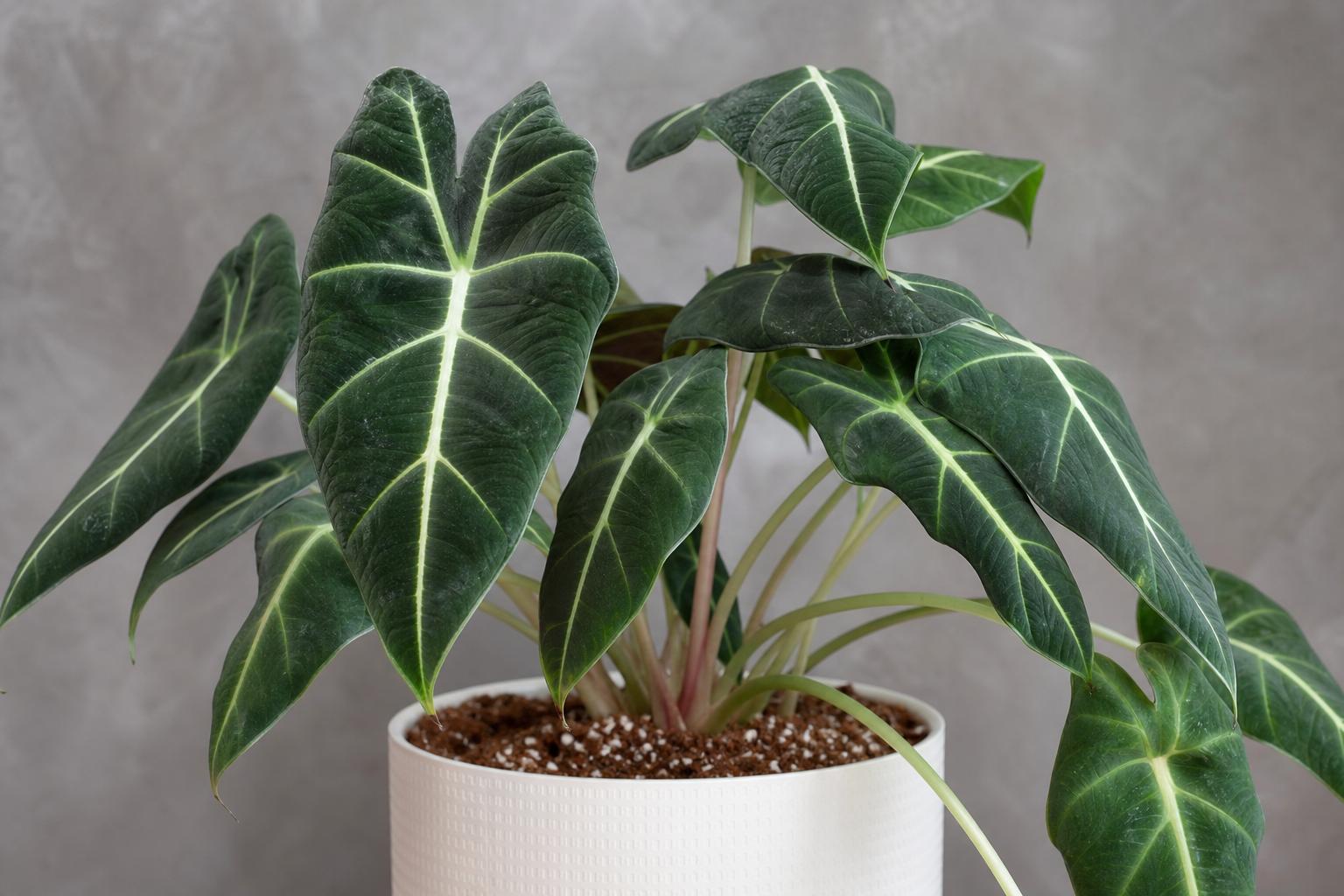
Alocasia has a way of stopping people mid-scroll and mid-aisle. Oversized, sculptural leaves. Zebra-striped stems. Velvet greens so deep they look unreal. It’s a show-off of a houseplant—and in Canada’s long winters, a living reminder that the tropics still exist somewhere. If you’ve admired alocasia from afar or struggled with one at home, this guide pulls together everything you need to help your plant thrive in Canadian conditions: real-world light and humidity strategies, a peat-free potting mix that prevents root rot, pest control that actually works, and exact steps for winter dormancy, repotting, and propagation. You’ll also find buying tips specific to Canada, from shipping in January to CFIA import rules. Let’s get your elephant ears large, glossy, and growing.
What Exactly Is Alocasia?
Alocasia is a genus of tropical plants in the aroid family (Araceae), native primarily to Southeast Asia and parts of Oceania. You’ll see them marketed as “elephant ear plants,” but that nickname is shared across a few related genera, including Colocasia and Xanthosoma. Alocasia leaves usually point upward like shields or arrows, with thick petioles that often emerge from a central corm (a swollen underground stem) or a short rhizome. Many are evergreen in the tropics. Indoors in Canada, some varieties act semi-deciduous and will shed older leaves in winter while resting.
Why are people obsessed with them? Texture and architecture. Think Alocasia zebrina with tiger-striped petioles; Alocasia reginula ‘Black Velvet’ with matte, near-black leaves etched in silver; Alocasia baginda ‘Dragon Scale’ with reptilian ridges; and classic, glossy species like Alocasia odora or Alocasia macrorrhizos that grow leaves bigger than your torso in the right setup. Even smaller cultivars like Alocasia ‘Polly’ (a compact form of the hybrid often sold as A. amazonica) can look wild on a bookshelf.
One quick taxonomic note, because the labels on garden-centre benches can be messy: “Alocasia amazonica” is a nursery hybrid (likely a cross of Alocasia longiloba and A. sanderiana) and not from the Amazon at all. The same goes for the popular compact form, commonly called Alocasia ‘Polly’ or ‘Poly.’ You’ll also see natural species used in hybrid lines—A. micholitziana ‘Frydek,’ A. baginda ‘Silver Dragon,’ and A. cuprea, among others.
Choosing the Right Alocasia for Your Space and Experience
All alocasia share some basic needs—bright, filtered light; even moisture without waterlogging; warm temperatures; and higher humidity than the typical Canadian living room. That said, not all cultivars ask for the same handling. Some are forgiving and rebuild leaves after a rough patch. Others sulk if the humidity dips or the soil stays cool for a weekend. Matching the plant to your home conditions and your current bandwidth makes the difference between a showpiece and a sad stump by February.
Consider these well-loved options, arranged by general difficulty:
- Easier and forgiving:
- Alocasia ‘Polly’ (often sold under A. amazonica): Compact, glossy, dramatic veins. Adapts to bright, indirect light indoors. Good “starter” alocasia.
- Alocasia odora: Larger form with fragrant flowers in ideal conditions. Handles a range of light and bounces back after setbacks.
- Alocasia wentii: Bronze-purple leaf undersides, tolerant of cooler nights compared to others (still keep it above 15°C).
- Moderate:
- Alocasia zebrina: Iconic striped petioles; appreciates steady warmth and humidity. Strong growth under grow lights.
- Alocasia macrorrhizos (giant taro): Wants space and consistent moisture; great outdoors in containers in summer.
- Alocasia ‘Portora’ and ‘Calidora’ (hybrids): Architectural, broad leaves; dramatic outdoors from June through early fall.
- Trickier, but spectacular:
- Alocasia reginula ‘Black Velvet’: Compact, velvety leaves; dislikes cold, wet roots and stale air. Keep humidity steady.
- Alocasia micholitziana ‘Frydek’: Velvet emerald leaves with crisp veining; sensitive to spider mites and dry air.
- Alocasia baginda ‘Dragon Scale’ and ‘Silver Dragon’: Ridged leaves; wants warmth, high humidity, airy mix, and patience.
- Alocasia cuprea: Metallic sheen; humidity lover; benefits from a terrarium or cabinet in winter.
When in doubt, start with something forgiving, get the basics right, and then branch into velvets and specialty species. You’ll reuse the same care foundations with every new addition.
Light: How to Deliver “Bright, Indirect” in a Canadian Home
“Bright, indirect light” is a phrase that sounds easy until January hits in Edmonton and the sun sets at 4:15 p.m. Alocasia grow under forest canopies in nature, where light is filtered but strong. Indoors, you’re trying to approximate that steady brightness without blasting leaves with harsh mid-day sun.
Here’s how to dial it in by window orientation and season:
- South-facing windows: Excellent in Canada, where the winter sun is weak and low. Use a sheer curtain or keep the plant one to two metres back to soften summer mid-day beams. Morning and late-afternoon direct sun in winter is usually fine.
- East-facing windows: Gentle morning sun is perfect for most alocasia. In winter, you may need a small LED grow light supplement for 10–12 hours total light.
- West-facing windows: Bright but can be hot in summer; move the plant back or diffuse with a sheer.
- North-facing windows: Often too dim from late fall through early spring in most Canadian cities, unless your window is large and unobstructed. Plan on a grow light.
If you like numbers, aim for 5,000–10,000 lux (roughly 500–1,000 foot-candles) for 8–12 hours daily. A cheap light meter app can get you in the ballpark. If your alocasia produces small leaves, long petioles, or stalls, it’s likely light-starved.
Grow lights make winter simpler, especially above the 45th parallel. A 20–40W full-spectrum LED bar or panel placed 30–45 cm (12–18 inches) above the canopy works for most medium alocasia. Keep a consistent schedule with a timer—12–14 hours in winter, 10–12 in summer. If leaves bleach or develop crisp patches, raise the light or cut intensity.
Temperature and Humidity: Tropics Meet Central Heating
Alocasia like it warm: 18–27°C (65–80°F) is the sweet spot. Below 15°C (59°F), many will slow dramatically or drop leaves. Quick temperature swings—like a winter draft from a leaky window or a blast of hot air from a vent—can cause stress and leaf damage.
Humidity is the big hurdle. Heated Canadian homes often sit at 25–35% relative humidity in winter. Most alocasia look and perform best at 50–70%. While they can survive lower levels, you’ll see more spider mites, crispy edges, and stalled growth.
Practical humidity strategies that actually help:
- Room humidifier: The most effective option. Place it near (not directly under) your plant group, keep it clean, and use distilled or demineralized water to avoid white dust. Aim for 50–60% RH in winter; higher can invite window condensation and mould in older homes.
- Plant grouping: Clustering plants creates a slightly more humid microclimate. Combine with a humidifier for best results.
- Terrariums or cabinets: For velvet-leaf alocasia, a glass cabinet or greenhouse-style shelf keeps humidity high with stable temperatures. Vent occasionally to prevent mould.
- Pebble trays: A small bump at best. If a tray helps you monitor water levels and avoid direct pot contact with standing water, it’s fine—but don’t expect miracles.
Keep your alocasia away from exterior doors, chilly windowsills in January, and blasting heat vents. If you can sit comfortably where the plant sits without feeling drafts, your alocasia will likely be happier too.
Watering and Potting Mix: Moist, Never Soggy
Most alocasia prefer consistent moisture around the roots yet detest sitting in cold, saturated soil. Too dry for too long and you get wilt and crisping; too wet and root rot moves in. The trick is an airy, free-draining mix that still holds even moisture, plus a watering rhythm that changes with the seasons.
Core rules to anchor your routine:
- Let the top 2–4 cm (about one inch) of the mix dry before watering again during active growth. In winter, allow a bit more dry time if growth has slowed.
- Water thoroughly until you see runoff from the drainage holes, then empty the saucer. Bottom watering is okay occasionally, but alternate with top watering to flush salts.
- Use room-temperature water. Cold water can shock the roots.
- In winter dormancy or semi-dormancy, keep the medium just barely moist, never bone dry for long stretches. The corm hates prolonged drought, but too much water invites rot when the plant isn’t using it.
Canada’s tap water quality is generally excellent. That said, many municipalities use chloramine, which doesn’t dissipate by letting water sit out. Alocasia usually tolerate tap water well. If you notice persistent brown tips and you’ve already fixed humidity and watering, consider switching to filtered, distilled, or rainwater for a few weeks to see if it helps. Be cautious with water softeners that add sodium—sodium can build up in the mix.
Peat-free, airy potting mix (simple formula)
Alocasia are aroids. They like a chunky, quick-draining substrate with organic matter. A dependable, peat-free recipe:
- 40% coco coir (rehydrated with calcium-buffered water if possible)
- 30% medium orchid bark (or pine bark fines)
- 20% perlite or pumice
- 10% composted material like worm castings, plus a pinch of slow-release fertilizer
This mix gives roots oxygen while holding moisture between waterings. If your home runs very dry, add a bit more coir; if you’re heavy-handed with the watering can, increase perlite or bark. Keep pH mildly acidic to neutral (around 5.5–6.5).
Pot choice and size
Use a pot with drainage. Terracotta breathes and dries faster, which helps if you tend to overwater. Plastic holds moisture longer—useful in dry apartments or for smaller, thirsty plants. Avoid jumping multiple pot sizes at once; upsize by 2–5 cm (1–2 inches) in diameter to prevent a cold, wet “moat” of unused mix around the roots.
Fertilizing and the Growth Cycle
Alocasia are moderate feeders. In bright conditions, they’ll reward you with larger leaves and sturdier petioles when nutrition is steady. If your plant sits in low light all winter, fertilize less often or not at all—nutrient salts can accumulate when growth is slow.
Feeding strategy that works indoors in Canada:
- Spring to early fall (active growth): Use a balanced, complete liquid fertilizer at half strength every 2–4 weeks, or apply a gentle, slow-release formula according to the label. Many aroid keepers like a 3-1-2 ratio (roughly) for foliage.
- Late fall and winter: Reduce frequency if growth slows, or pause entirely if your alocasia goes semi-dormant.
- Flush the pot with plain water monthly to prevent salt buildup, especially if you use tap water and liquid feed.
It’s normal for older leaves to yellow and drop as new leaves push up. Many alocasia keep only a handful of leaves at any time. If every leaf is yellowing at once, you likely have a bigger issue: overwatering, low light, pests, or a chilly draft.
Repotting, Division, and Propagation
Repot every 12–24 months, ideally in spring or early summer, or when roots circle the pot and water runs right through. Alocasia won’t complain about being slightly root-bound, but they will complain about stale, compacted mix or a pot that stays wet for days in winter.
How to repot without drama
Water lightly the day before to soften the root ball. Gently tease away some of the old mix, especially around the bottom where salts accumulate. Trim dead, mushy roots with sterilized scissors. Set the plant so the corm sits just beneath the surface; don’t bury it too deep. Backfill with fresh mix, water thoroughly, and keep the plant warm and bright with gentle airflow while it settles. If your alocasia droops after repotting, it’s often transplant shock. Maintain steady conditions and resist the urge to overwater.
Division and corm propagation
Mature alocasia often produce offsets (baby plants) around the mother corm. These can be divided at repot time. Use a clean, sharp knife to separate an offset with its own roots attached. Pot it in a small container with the same airy mix, and keep humidity high for a few weeks.
You may also find small cormlets in the pot. These can be planted shallowly in moist sphagnum moss or a fine aroid mix and kept warm (22–26°C) and humid. Once a leaf and roots form, transition the baby to your standard mix. Avoid water propagation for corms; they often rot in cool Canadian apartments unless conditions are carefully controlled.
Taking Alocasia Outdoors in a Canadian Summer
Warm weather transforms alocasia. In July in Toronto or Vancouver, a potted Alocasia macrorrhizos or ‘Portora’ throws out leaves that weren’t possible under a living-room window. You can give many varieties a summer vacation outdoors across most of Canada as long as you respect the calendar and microclimate.
Key steps for a happy outdoor season:
- Frost dates: Move alocasia out only after the last frost when nights stay reliably above 12–15°C. In much of southern Ontario and Quebec, that’s late May to early June; in coastal BC, often earlier; on the Prairies and in Atlantic Canada, sometimes mid-June.
- Hardening off: Gradually increase outdoor exposure over 7–10 days. Start in bright shade, then introduce morning sun. Harsh mid-day or late-afternoon sun can scorch leaves.
- Water and feeding: Containers dry faster outdoors. Water more frequently, and feed regularly—outdoor growth can be exuberant. A slow-release fertilizer plus a monthly liquid feed keeps leaves huge.
- Pests and wildlife: Watch for slugs and snails nibbling soft growth. Iron phosphate baits are pet-safe when used as directed. Hose down leaves periodically to prevent spider mites.
- Bringing them back in: Before nights drop below 12°C, inspect meticulously for pests. Rinse leaves, treat with insecticidal soap if needed, and quarantine indoors for a couple of weeks to avoid sharing hitchhikers with your houseplant collection.
In coastal BC (Vancouver, Victoria, Nanaimo), large alocasia may survive outdoors longer into fall, but true winter hardiness isn’t on the table for Canada. Treat them as container stars, not in-ground perennials.
Pests and Diseases: Prevention and Practical Control
Spider mites love alocasia. If you keep only one takeaway from this section, let it be this: dry air plus warm leaves equals a mite party. Thrips, mealybugs, and scale can also show up. On the disease side, watch for root rot (often Pythium or Phytophthora in waterlogged media), bacterial leaf spot, and edema (water-soaked blisters from irregular watering).
Prevention that works
Quarantine new plants for two to three weeks away from your main collection. Rinse leaves in the shower, wipe with a damp cloth, and inspect undersides with a bright light. Keep humidity moderate to high and provide gentle airflow—stagnant, dusty leaves invite trouble.
Dealing with common pests
- Spider mites: Look for fine webbing and stippled, dull leaves. Rinse the plant thoroughly in the shower, then spray with insecticidal soap, ensuring full coverage under leaves and along petioles. Repeat every 5–7 days for 3–4 cycles. Maintain higher humidity and avoid hot, dry spots.
- Thrips: Silvery streaks, black specks (droppings), and deformed new growth. Combine physical removal (rinsing), sticky traps for monitoring, and repeated applications of insecticidal soap or horticultural oil per label directions. Consider isolating badly affected plants.
- Mealybugs and scale: Dab visible insects with isopropyl alcohol on a cotton swab, then follow with a thorough soap or oil spray. Repeat at intervals—these pests have protective coatings.
- Fungus gnats: Usually a symptom of overwatering or dense soil. Let the top layer dry more between waterings, add a layer of sand or fine gravel on top of the soil, use yellow sticky traps, and consider a biological control like Bacillus thuringiensis israelensis (BTI) in waterings.
Always read and follow Canadian product labels. Many home-use pesticides available elsewhere are restricted or formulated differently here. For houseplants, insecticidal soap and horticultural oil are the standard, effective, and lower-impact tools when used consistently. Avoid spraying oils in direct sun or on heat-stressed leaves.
Root rot and leaf diseases
Root rot shows up as persistent wilting, yellow leaves, and black, mushy roots. Act fast: unpot, trim to firm white tissue, and repot in fresh, airy mix. Reduce watering and keep warm until new growth resumes. Bacterial leaf spot appears as water-soaked lesions that can spread in wet conditions; remove affected leaves and avoid overhead watering late in the day. Good airflow and clean tools matter more than any miracle cure.
Troubleshooting: Symptoms and Straight Answers
If something looks off, diagnose one change at a time. Alocasia often respond slowly—fix the environment first and give it a couple of weeks.
- Yellow leaves: Natural aging of a single oldest leaf? Normal. Multiple leaves yellowing at once? Usually overwatering combined with low light or cold. Check roots and adjust.
- Brown, crispy edges: Low humidity, underwatering, or a missed watering during hot weather. Increase RH and keep moisture steady.
- Drooping or collapsing petioles: Cold shock, severe underwatering, or root issues. Warm it up, water thoroughly, and assess the root system if no recovery in 48 hours.
- Small new leaves and long petioles: Not enough light. Move closer to a window or add a grow light.
- Dark spots that look sunken: Possible bacterial or fungal issue—remove the leaf, increase airflow, and avoid water sitting on leaves overnight.
- No growth for months: Winter dormancy, insufficient light, or potting mix staying too cold and wet. Warm, bright conditions plus patience usually fix this.
Safety: Alocasia and Pets or Kids
Alocasia are toxic if chewed or ingested, like many aroids. The tissues contain insoluble calcium oxalate crystals that can cause immediate burning and swelling of the mouth and throat, drooling, and vomiting in pets. Keep alocasia out of reach of curious cats, dogs, and toddlers.
If exposure occurs, rinse the mouth and offer water or milk in small amounts. Contact your veterinarian for pets or your local provincial poison centre for humans. The Pet Poison Helpline (a paid service at 855-764-7661 in Canada and the U.S.) is another resource. Skin contact with sap can irritate sensitive skin; wash with soap and water.
Buying Alocasia in Canada: Prices, Sourcing, and Winter Shipping
Availability and prices vary by city and season. Big-box stores often carry staples like Alocasia ‘Polly’, ‘Frydek’, and zebrina in spring for $20–$40 in 10–15 cm (4–6 inch) pots. Specialty nurseries and plant shops carry a wider range: A. ‘Dragon Scale’, ‘Silver Dragon’, and ‘Black Velvet’ typically range from $30–$120 depending on size and rarity. Large statement specimens of A. macrorrhizos or ‘Portora’ in 25–40 cm pots can run $80–$250+. Rare cultivars can cost more, though prices have eased since the peak of the “rare plant boom.”
When buying locally, inspect leaves and stems for pests, check that the corm is firm (not squishy), and avoid pots that feel heavy and cold—often a sign of recent overwatering. Expect some acclimation when you bring it home: a leaf or two may yellow and drop. Don’t panic; stabilize light and humidity, and resist “rescue repotting” for a few weeks unless you suspect rot.
Ordering online in winter? Ask the seller about heat packs, insulated packaging, and shipping timelines that avoid weekends. Many Canadian retailers offer “hold for pickup” to prevent plants sitting in a freezing delivery truck. Unpack immediately on arrival and let your alocasia warm up gradually away from radiators or direct sun.
Importing plants from abroad
Most live plant imports into Canada require a phytosanitary certificate and inspection by the Canadian Food Inspection Agency (CFIA). Many small packages from the U.S. without proper paperwork are seized or destroyed. If you’re tempted by overseas offers, read CFIA’s guidance first, and consider supporting Canadian growers to avoid legal and biosecurity issues.
Semi-Hydroponics (LECA) and Alocasia
Semi-hydro (LECA—lightweight expanded clay aggregate) can suit alocasia, especially for growers who overwater. It provides steady moisture and superb aeration, and you can monitor root health easily. However, LECA needs warm temperatures, stable light, and conscientious fertilizing to work well—otherwise you get stalled growth.
How to transition safely:
- Rinse and soak LECA to remove dust, then condition with a calcium-magnesium supplement.
- Gently wash all soil from the roots and trim any rot. Place the plant in a net pot with LECA, set above a small nutrient reservoir (the water should just touch the bottom layer).
- Use a weak hydroponic fertilizer and top up with plain water as needed, flushing monthly. Keep warm (20–26°C) with bright light.
LECA shines in summer. In cold Canadian winters, media temperature can drop, slowing nutrient uptake. Heat mats set to low, placed under an insulating pad, can help for cabinet-grown collections—but monitor to avoid cooking roots.
Design and Placement: Making Alocasia Look Intentional
Alocasia are sculptural by nature. Use that. Place a large Alocasia ‘Portora’ near a bright window where the silhouette frames the view without blocking it. Tuck a ‘Black Velvet’ on a credenza under a grow light, where the leaf texture can be admired up close. Pair variegated or patterned leaves with simpler textures so they don’t visually compete.
They’re not great “low-light corner” plants. If a corner is the only spot, add an unobtrusive grow light—sleek bar lights can disappear under a shelf lip while delivering the brightness your plant craves. Rotate the pot every couple of weeks for even growth, and wipe leaves monthly to keep them glossy and photosynthesizing.
Beginner-Friendly vs. Collector-Grade: Choosing Confidently
If you’re just getting to know alocasia, start with Alocasia ‘Polly’, Alocasia odora, or Alocasia wentii. They accept a range of home environments and rebound after mistakes. Once you’ve nailed light and humidity, step into Alocasia zebrina or A. micholitziana ‘Frydek’—still doable, just more particular about airflow and mites.
Collector-grade plants like Alocasia baginda ‘Dragon Scale’, ‘Silver Dragon’, and A. cuprea deserve stable humidity, warm roots, and bright, filtered light. They’re happiest near a humidifier or inside a glass-front cabinet. If your winters are dry and your schedule is packed, save these for spring when conditions are naturally kinder.
Sustainability and Ethics: Better Choices Matter
Choose peat-free or peat-reduced mixes where possible; coco coir plus bark and perlite makes an excellent aroid substrate. Support reputable Canadian growers and shops who propagate nursery stock rather than field-collecting sensitive species. When disposing of old potting mix, add it to your green bin or garden compost where municipal bylaws allow, rather than tossing it into waterways or public spaces.
Fertilizers and plant care products in Canada carry bilingual labels; follow rates precisely and avoid overuse. More isn’t better. For pest control, start with mechanical and low-impact options before escalating, and never dump leftover solutions into storm drains.
Season-by-Season Care in Canada
Timing matters in a country with real seasons. Use this calendar as a practical rhythm rather than a rigid rulebook—your microclimate, variety, and home setup still lead.
| Season | Light | Water | Fertilizer | Notes |
|---|---|---|---|---|
| Late Winter (Feb–Mar) | Start extending light with grow lights. South/east windows are valuable. | Even moisture; avoid cold, soggy soil. | Resume light feeding as days lengthen. | Watch for mites; wipe leaves. Plan repotting for warmth of spring. |
| Spring (Apr–May) | Brighten exposure; acclimate to more sun gradually. | Increase frequency as growth ramps up. | Half-strength every 2–4 weeks or slow-release granules. | Repot/divide. Begin hardening off for outdoor move post-frost. |
| Summer (Jun–Aug) | Outdoors in bright shade or indoors under strong light. | Water more often; heat speeds evaporation. | Regular feeding to fuel big leaves. | Rinse foliage; monitor slugs outdoors and mites indoors. |
| Fall (Sep–Oct) | Reduce direct sun as days cool; bring plants indoors before 12°C nights. | Start spacing waterings as growth slows. | Feed less frequently; stop by late fall. | Quarantine returning plants; inspect thoroughly for pests. |
| Winter (Nov–Jan) | Supplement with LED; 10–12 hours daily. | Keep lightly moist; avoid extremes. | Usually none unless under strong grow lights. | Humidity 50–60%; avoid cold drafts and heat vents. |
Common Mistakes Canadians Make with Alocasia
Overwatering in cool rooms is the classic one. Wet, cold mix rots corms. Use chunky substrate, warm temperatures, and patience. Next on the list: parking a plant on a winter windowsill where the glass is frigid. Leaves can burn and petioles collapse from cold shock. Finally, trying to nurse a collector cultivar through a dim living room in January without a grow light. If light is the limiting factor in your space, plan around it rather than fighting it.
Alocasia vs. Colocasia vs. Caladium: Quick Differences
These names mingle in garden conversations, so here’s a fast way to keep them straight:
- Alocasia: Upright, arrow- or shield-shaped leaves that often point upward. Petioles attach near the leaf base. Many have dramatic veining and firm, glossy or velvety textures.
- Colocasia (often called taro): Leaves commonly droop or point downward; petioles attach more centrally on the leaf underside. Often grown in wetter soils outdoors in summer.
- Caladium: Mostly tuberous plants with thinner, papery leaves, often vibrantly coloured. Typically used as summer annuals in containers and go fully dormant in winter.
For indoor growing in Canada, alocasia bring the bolder, structural look; colocasia shine outdoors in large containers; caladium deliver seasonal colour.
Real-World Examples Across Canada
In Vancouver, an Alocasia zebrina can sit a metre back from a bright south window all winter and still put out leaves, thanks to milder light and humidity. In Calgary, the same plant likely wants a 30W LED bar from November to March and a humidifier humming at 45–55% RH to avoid mite issues brought on by dry chinook air. In Toronto or Montreal condos with floor-to-ceiling windows, use sheer curtains: the bright winter sun can be welcome, but summer afternoons through glass can scorch sensitive leaves. In Halifax, ocean humidity helps, but short winter photoperiods make a grow light just as valuable as in the Prairies.
Outdoors, try a container of Alocasia ‘Portora’ on a shaded balcony in Ottawa from June to September. Feed well, water deeply, and enjoy leaves that double the size of anything you got indoors. Bring it back in before the first cool nights, give it a good rinse in the shower, and park it under lights for the winter wind-down.
Case Study: Rescuing a Sulking Alocasia ‘Frydek’
Problem: A medium Alocasia ‘Frydek’ arrived in January mail in Winnipeg, then dropped all but one leaf. The pot felt heavy and cold. The owner watered every few days hoping to “perk it up.”
Fix: Moved plant off the cold windowsill onto a plant shelf with a 30W LED, set on 12 hours. Placed a small heat mat on low under the pot with a cork coaster as a buffer. Adjusted watering to allow the top 2–3 cm to dry first and flushed the pot once to clear salts. Added a small humidifier. Two weeks later, a new leaf unfurled. By March, growth stabilized. Lesson: in winter, warmth and light are non-negotiable; water less until the plant is using it.
Alocasia Care Checklist for Quick Reference
- Light: Bright, indirect; 5,000–10,000 lux. Use LEDs in winter.
- Temperature: 18–27°C; avoid cold drafts and hot vents.
- Humidity: Aim for 50–70% RH; humidifier beats pebble trays.
- Water: Keep evenly moist during growth; never soggy. Reduce in winter.
- Soil: Airy, chunky aroid mix; peat-free option with coir, bark, perlite.
- Fertilizer: Half-strength, balanced feed every 2–4 weeks in spring–summer.
- Pests: Spider mites are common; rinse, soap, repeat. Quarantine newbies.
- Repot: Every 1–2 years in spring; don’t bury the corm.
- Propagation: Divide offsets; sow cormlets warm and shallow.
- Safety: Toxic if chewed; keep away from pets and children.
FAQ
Are alocasia hard to grow in Canada?
They’re particular rather than impossible. Once you nail bright, filtered light and keep humidity above 45–50% in winter, most common varieties are manageable. Grow lights make the biggest difference from November through March.
How often should I water my alocasia?
There’s no fixed schedule. Water when the top 2–4 cm of the mix is dry during active growth. In summer, that could be every few days; in winter, it may be weekly or less. The goal is moist, airy substrate—not constantly wet or bone dry.
Can alocasia grow in low light?
Not well. They’ll stretch, produce small leaves, and stall. If you have only a north window in winter, add a small LED grow light for 10–12 hours daily.
Why is my alocasia dropping leaves?
Some leaf loss is normal as new leaves emerge. If multiple leaves drop at once, check for overwatering in cool conditions, low light, spider mites, or sudden temperature changes. Fix the environment first.
What’s the best soil for alocasia?
An airy aroid mix: coco coir (or peat), orchid bark, and perlite with a touch of compost or worm castings. The mix should drain quickly but hold even moisture.
Is alocasia toxic to cats and dogs?
Yes. It contains calcium oxalate crystals that irritate the mouth and GI tract. Keep out of reach. If ingested, contact your veterinarian or a poison centre promptly.
Should I mist my alocasia?
Occasional misting can remove dust, but it doesn’t meaningfully raise humidity and can encourage leaf spots if leaves stay wet. A humidifier is far more effective for winter dryness.
My alocasia went dormant. Did I kill it?
Probably not. Some varieties drop most or all leaves in winter under low light. Keep the corm slightly moist, warm, and bright. New growth usually returns in spring.
Can I keep alocasia outdoors in Canada year-round?
No. They are tropical. Move them outside only after frost, and bring them in before nights dip below 12–15°C. In coastal BC, the outdoor season is longer but still seasonal.
What grow light should I buy?
A 20–40W full-spectrum LED bar or panel placed 30–45 cm above the plant works for most medium alocasia. Use a timer for 10–14 hours depending on season and variety.
How do I get rid of spider mites on alocasia?
Rinse thoroughly, then spray with insecticidal soap. Repeat every 5–7 days for several cycles, covering leaf undersides and stems. Increase humidity, improve airflow, and isolate the plant during treatment.
Why are my alocasia leaves turning yellow after repotting?
Normal transplant shock can cause one or two leaves to fade. If multiple leaves yellow rapidly, the new mix may be staying too wet or the plant is cold. Warm it up, increase light, and let the top layer dry more between waterings.
Can I grow alocasia in water?
Short-term water rehab for cuttings or cormlets often fails due to rot in cool rooms. If you want soil-free, try semi-hydro (LECA) with a mild nutrient solution and warm temperatures.
What’s a reasonable price for an alocasia in Canada?
Common 10–15 cm pot sizes run $20–$40 at big-box stores. Specialty varieties range from $30–$120 depending on size and rarity. Large statement plants can exceed $100. Prices fluctuate by city and season.
How can I safely import an alocasia from the U.S. or overseas?
Check CFIA rules. Most live plants require a phytosanitary certificate and inspection. Without proper paperwork, shipments may be seized. When in doubt, buy from Canadian vendors or ensure the seller is experienced with Canadian imports.
Do alocasia like self-watering pots?
They can, if the wicking is gentle and the mix is airy. Keep the reservoir small and let it dry out periodically to avoid chronic saturation, especially in winter. Monitor roots for signs of rot.
How big can alocasia get indoors?
Compact varieties like ‘Polly’ or ‘Black Velvet’ stay under 45 cm (18 inches). Larger species and hybrids can reach 1–2 metres with enough light, warmth, and a generous pot, though indoor ceilings cap their full potential.
What’s the difference between Alocasia ‘Frydek’ and ‘Frydek Variegata’?
Both derive from A. micholitziana. The standard ‘Frydek’ has solid deep-green velvety leaves with pale veining; the variegated form has patches of cream or lighter green. Variegated plants need more light and are typically pricier and slower growing.
How often should I clean my alocasia’s leaves?
Monthly is a good rhythm. Wipe gently with a damp microfiber cloth or rinse in the shower. Clean leaves photosynthesize better and show pests earlier.
Final Thoughts
Growing alocasia in Canada is about building a little pocket of the tropics: steady light, warm roots, and air that isn’t desert-dry. Do those three things and most of the “difficult” reputation fades. Start with a forgiving variety, learn your home’s rhythms, and add tools—lights, humidifiers, airy mix—as needed. Before long, you’ll have a plant that throws out a new leaf and makes your whole week. That’s the magic of alocasia: a reminder, leaf by spectacular leaf, that winter isn’t forever.